Updated October 2026 · About a 12-minute read
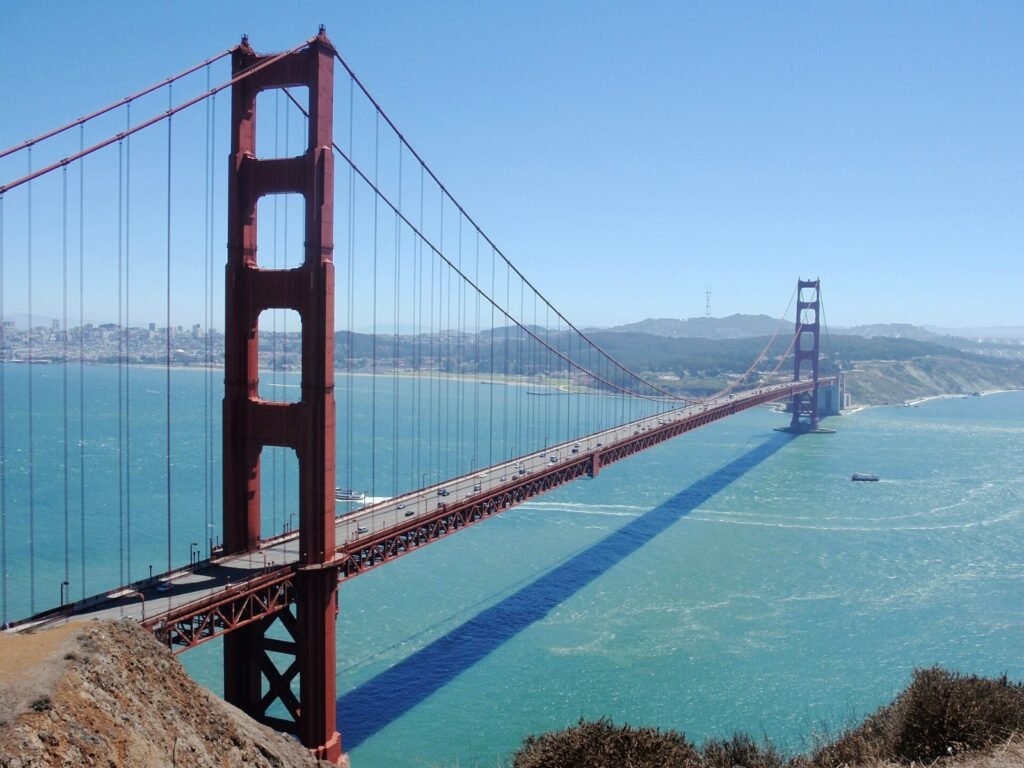
San Francisco packs a lot into a small, hilly peninsula: the Golden Gate Bridge, cable cars climbing impossibly steep streets, Victorian houses, a famous former prison on an island in the bay, and some of the best food in North America. Every neighbourhood feels different, from the lanterns of Chinatown and the Italian cafés of North Beach to the murals of the Mission. Giant redwood forests, wine country and wild Pacific beaches are all within easy reach. This guide covers when to go, how to get there and around, where to stay, the best neighbourhoods, things to do, day trips, shopping, food and nightlife, the big annual events, sample itineraries and the do’s and don’ts first-timers miss.
Best time to visit San Francisco
San Francisco has a mild, cool climate all year. Daytime highs are usually between about 14°C and 22°C, and it rarely gets very hot or very cold. The surprise for many visitors is summer: cold ocean water and inland heat pull in thick fog, so June to August can feel chilly and grey, especially near the ocean and the Golden Gate.
- September to October: the best time to visit. The fog usually clears, days are often the warmest and sunniest of the year, and the city is busy with festivals.
- March to May: spring brings green hills, wildflowers and fewer crowds, with a mix of sunshine and occasional rain.
- June to August: peak tourist season and school holidays. Expect fog, wind and cool evenings, but long days and lots of events.
- November to February: the rainy season, though many days are still clear and crisp. Hotel prices are often lower outside the holidays, and the city looks festive in December.
Getting there and getting around
Airports
San Francisco International Airport (SFO) is about 21 km south of downtown and has nonstop flights from across North America, Europe and Asia. The easiest way into the city is BART, the regional train, which runs from the international terminal to downtown stations in about 30 minutes. Taxis and rideshare take 25 to 45 minutes depending on traffic. Oakland (OAK) across the bay and San José (SJC) to the south are useful alternatives, sometimes with cheaper fares.
Getting around
You do not need a car in the city. Parking is expensive and hard to find, and the centre is compact. Use:
- Muni: the city’s buses, light rail and historic streetcars. The F line runs vintage streetcars along Market Street and the Embarcadero to Fisherman’s Wharf.
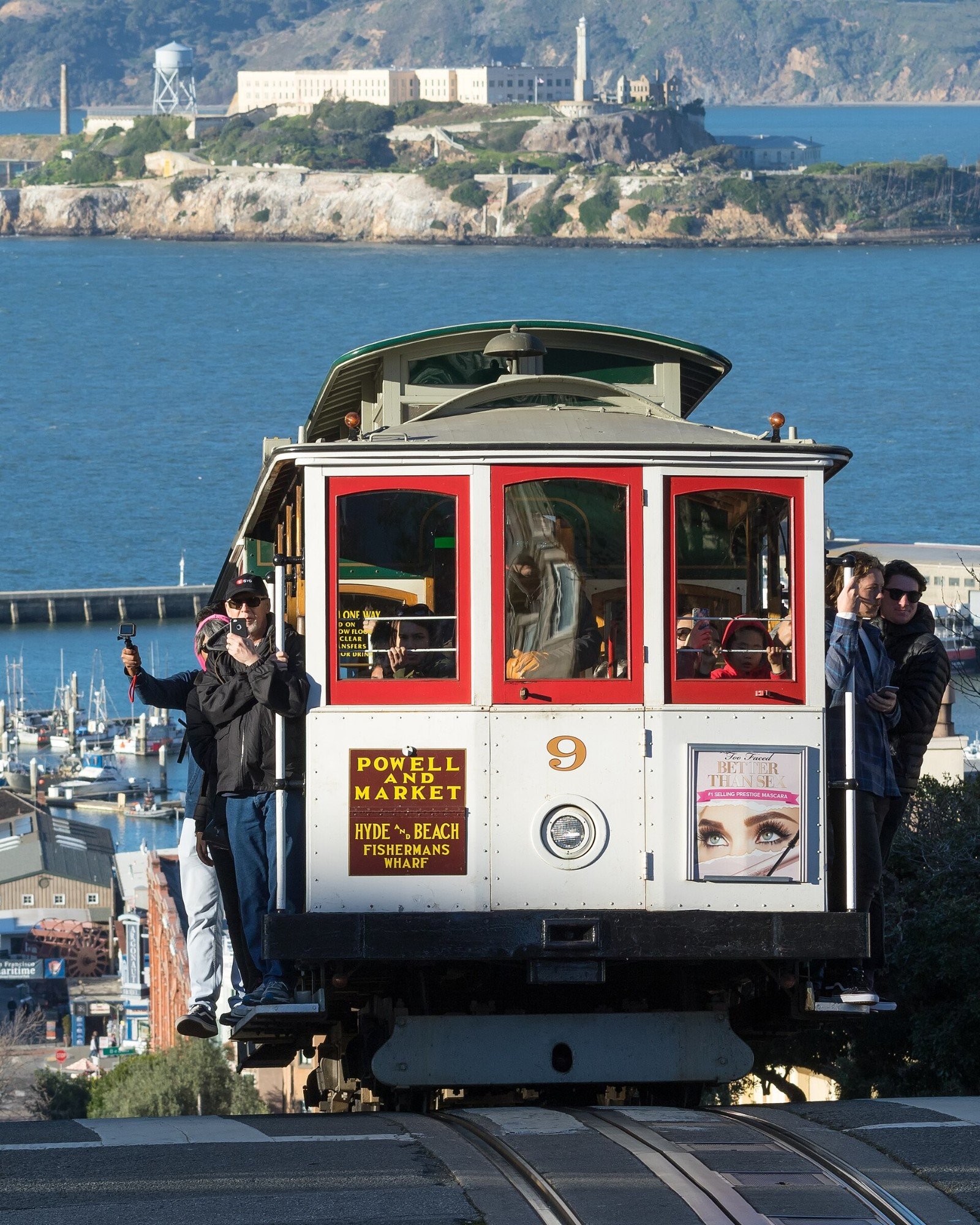
- Cable cars: three lines (Powell-Hyde, Powell-Mason and California Street) still run on cables under the street. They are part of Muni but have their own, higher single fare. Lines at the Powell Street turnaround can be long, so try boarding a few stops up.
- BART: fast trains to the airport, the Mission, Oakland and Berkeley.
- Clipper: a reloadable card, also available in phone wallets, that works on Muni, BART, cable cars and ferries.
- Ferries: from the Ferry Building and Pier 41 to Sausalito, Tiburon, Oakland and other bay towns. A great, scenic way to cross the bay.
- Walking: the best way to explore neighbourhoods, but plan around the hills.
Where to stay in San Francisco
- Union Square: the most central choice for first-timers, with lots of hotels at every price, big shops and the cable car turnaround. Some nearby blocks, especially toward the Tenderloin, feel rough, so check the exact location.
- Nob Hill: grand historic hotels, quiet streets and city views, right on two cable car lines.
- Fisherman’s Wharf and North Beach: handy for Alcatraz ferries and the waterfront, with family-friendly hotels. North Beach adds cafés and nightlife.
- Embarcadero and SoMa: modern hotels near the Ferry Building, museums and sports venues, with easy BART access.
- Marina and Cow Hollow: boutique stays near the bay, the Presidio and the Golden Gate Bridge, with a lively bar and brunch scene.
- Hayes Valley, the Mission and the Castro: smaller hotels and short-term rentals in neighbourhoods with great food and a local feel.
Top San Francisco neighbourhoods
- Chinatown: one of the oldest and largest Chinatowns outside Asia. Walk under the Dragon Gate on Grant Avenue, explore temples and herb shops, and eat dim sum.
- North Beach: the old Italian quarter, with espresso bars, bakeries, City Lights bookstore and Washington Square. Climb Telegraph Hill to Coit Tower for views.
- Fisherman’s Wharf: touristy but fun, with sea lions at Pier 39, seafood stands and historic ships at the Hyde Street Pier.
- The Mission: the city’s Latino heart, with colourful murals in Balmy Alley and Clarion Alley, famous burritos, and sunny Dolores Park.
- Haight-Ashbury: the birthplace of the 1960s counterculture, now full of vintage shops and record stores next to Golden Gate Park.
- The Castro: a historic centre of LGBTQ+ life, with rainbow crosswalks, the Castro Theatre and lively bars.
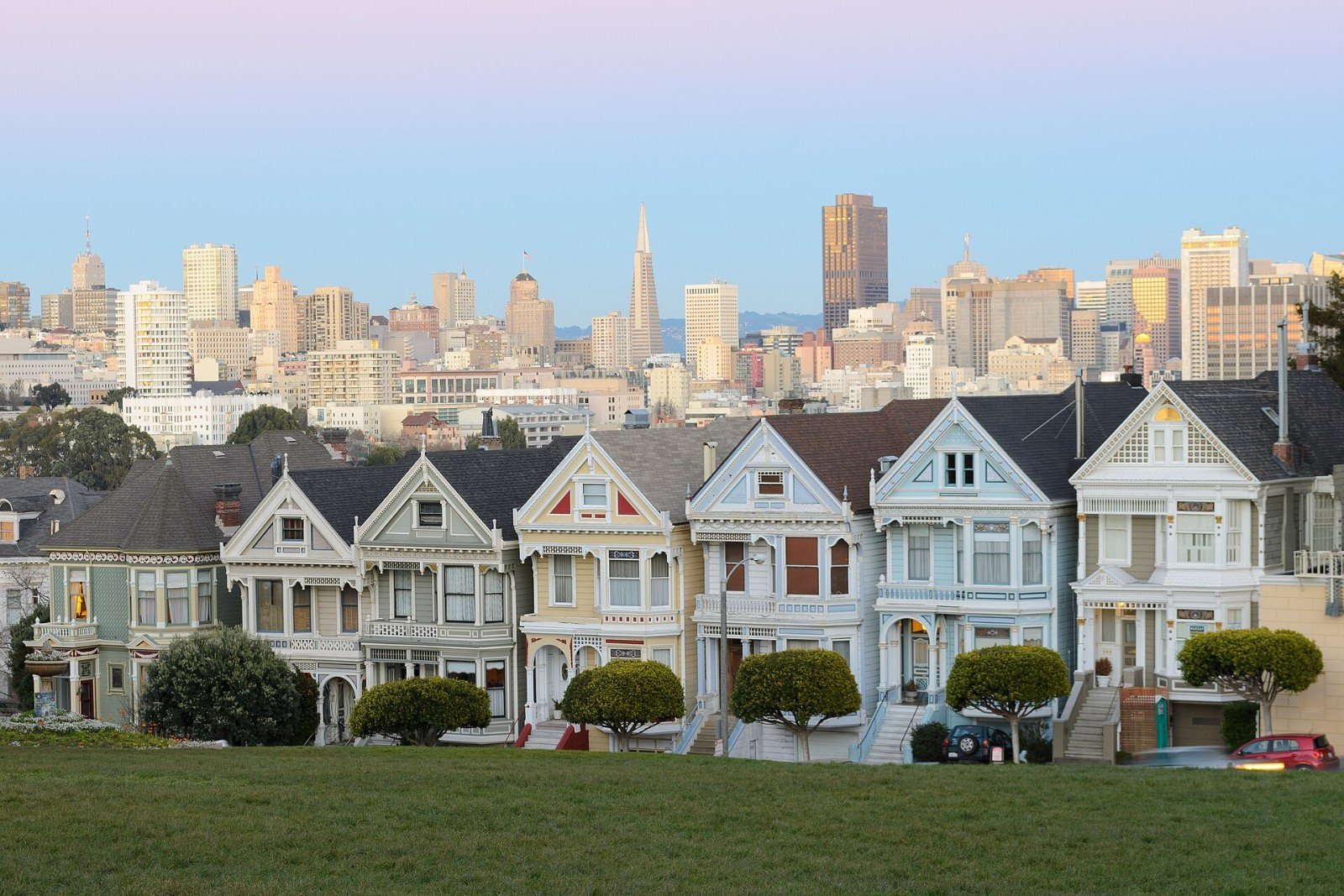
- Hayes Valley: stylish boutiques, cafés and restaurants, close to the Painted Ladies at Alamo Square.
- The Presidio and the Marina: a former army base turned national park site, with trails, views of the Golden Gate and the Palace of Fine Arts nearby.
Things to do in San Francisco
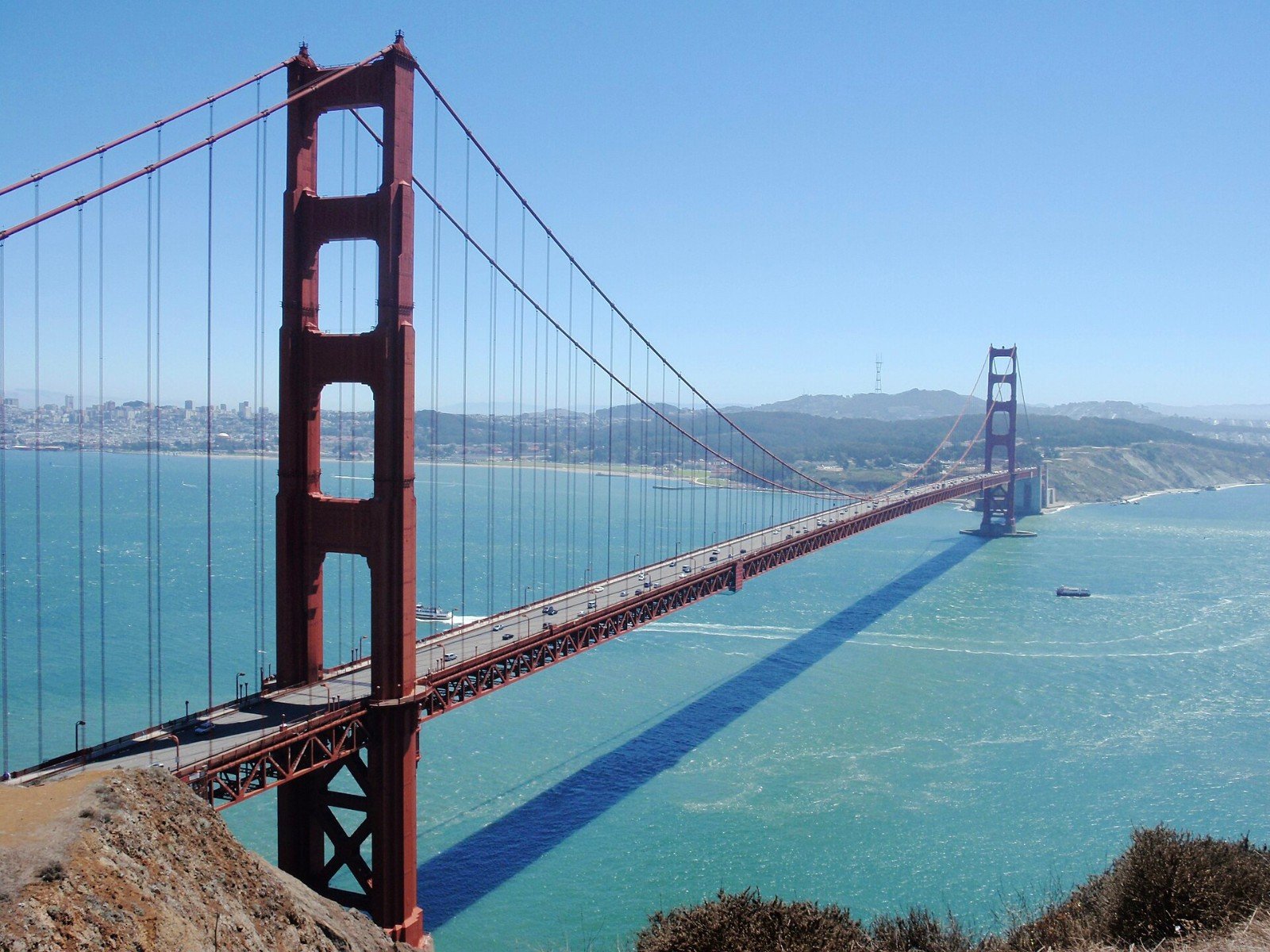
- Walk or bike the Golden Gate Bridge. Opened in 1937, the bridge is about 2.7 km long. Walk out from the Welcome Center on the city side, or rent a bike, ride across and return by ferry from Sausalito. For the classic view, go to Battery Spencer on the Marin side, Crissy Field or Baker Beach.
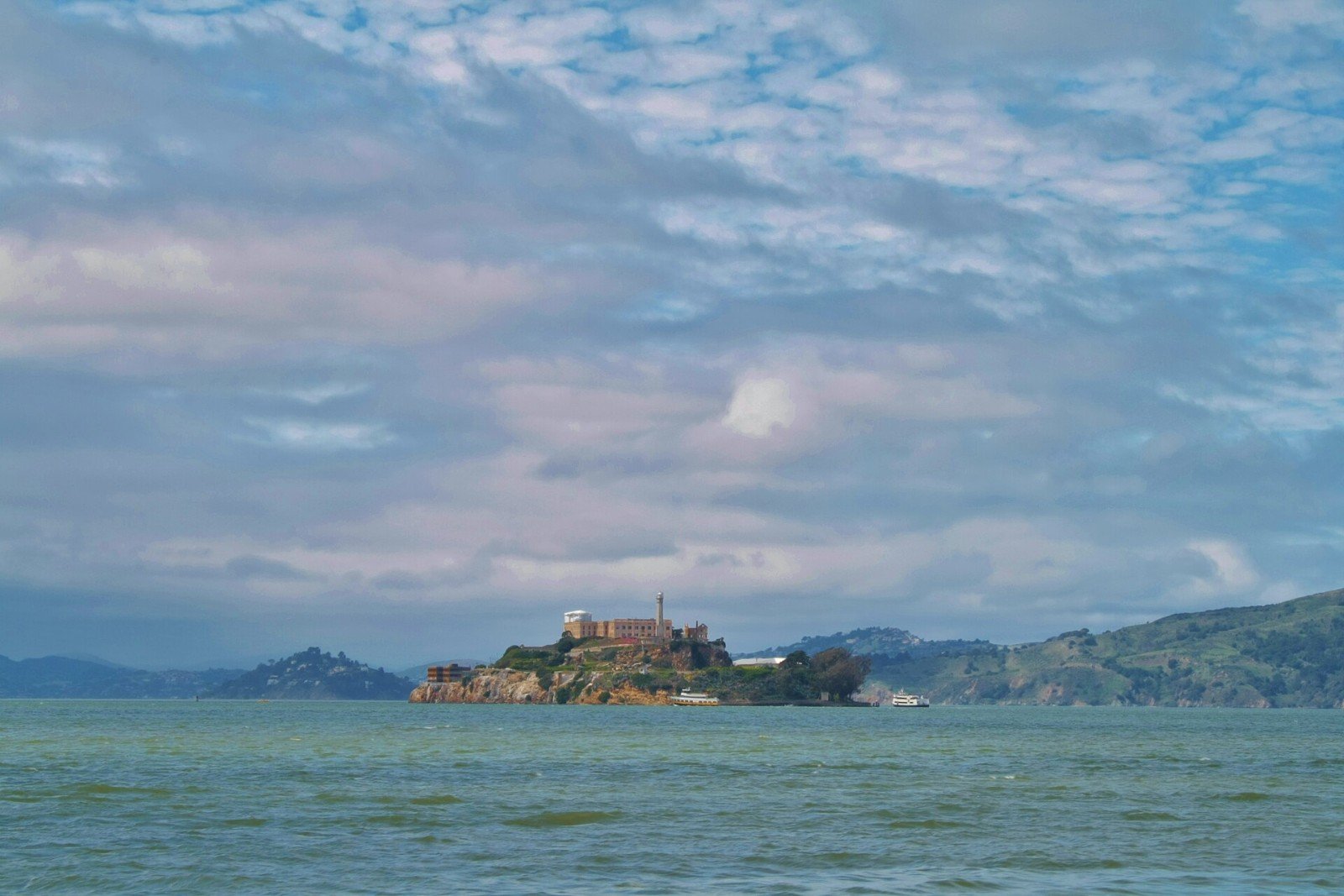
- Visit Alcatraz. The former federal prison on an island in the bay is run by the National Park Service. Ferries leave from Pier 33, and the audio tour is excellent. Tickets often sell out, so book ahead, especially for the night tour.
- Ride a cable car. The Powell-Hyde line has the best views of the bay and Alcatraz. Visit the free Cable Car Museum to see the machinery that pulls the cables.
- Explore Golden Gate Park. Larger than New York’s Central Park, it holds the de Young Museum, the California Academy of Sciences, the Japanese Tea Garden, the Conservatory of Flowers and a long stretch of Ocean Beach at its western end.
- Hike Lands End. A coastal trail with cypress trees, shipwreck views and the ruins of the Sutro Baths, ending near the Cliff House.
- See the views. Twin Peaks, Coit Tower, Alamo Square and the crooked block of Lombard Street all offer classic city scenes.
- Go to the museums. SFMOMA for modern art, the Exploratorium on Pier 15 for hands-on science, and the Asian Art Museum in Civic Center.
- Visit the Ferry Building. The restored 1898 terminal is a food hall with local producers, and its farmers market runs on Tuesday, Thursday and Saturday.
- Catch a game. Watch the Giants at Oracle Park on the waterfront or the Warriors at Chase Center.
Nature and day trips
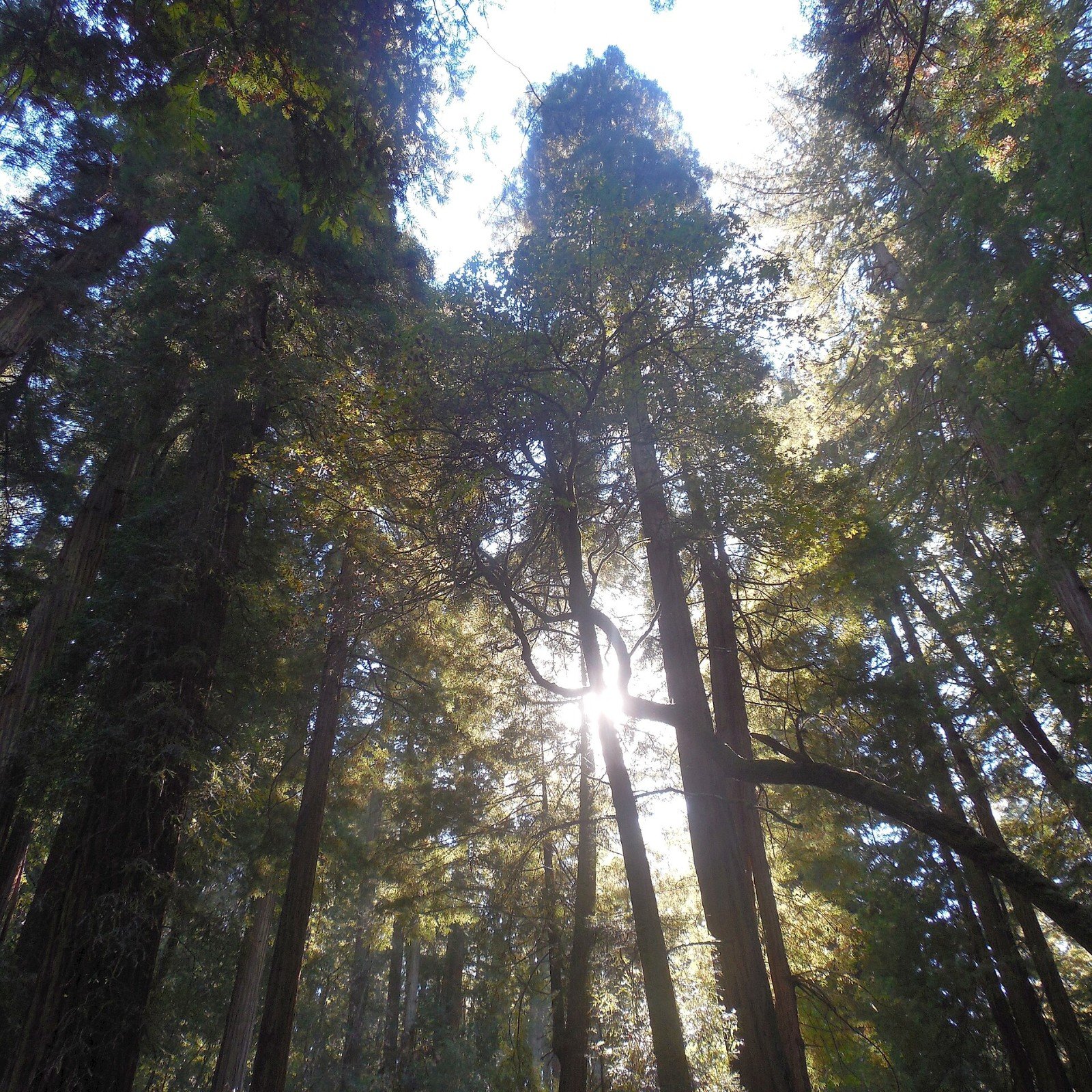
- Muir Woods: a grove of towering coast redwoods about 45 minutes north. Parking or shuttle reservations are required, so book in advance on the official website.
- Sausalito: a pretty waterfront town across the bay, best reached by ferry or by biking across the Golden Gate Bridge.
- Marin Headlands: just across the bridge, with hiking trails, old military batteries, the Point Bonita Lighthouse and wide views of the city.
- Napa and Sonoma: California’s famous wine country is about 1 to 1.5 hours away by car. Take a tour if you plan to taste.
- Point Reyes National Seashore: wild beaches, a historic lighthouse, tule elk and, in winter, whale watching, about 1.5 hours north.
- Half Moon Bay and the coast: beaches, cliffs and seafood along Highway 1, about 45 minutes south.
- Monterey and Carmel: the Monterey Bay Aquarium, 17-Mile Drive and the fairy-tale village of Carmel, about 2 to 2.5 hours south. Add Big Sur for a longer trip.
- Berkeley and Oakland: a short BART ride across the bay for the university campus, food and lively neighbourhoods.
- Yosemite National Park: about 4 hours away, better as an overnight trip than a day trip.
Shopping in San Francisco
- Union Square: department stores, flagship brands and luxury boutiques.
- Hayes Valley and Fillmore Street: independent designers, home goods and stylish small shops.
- Haight Street and Valencia Street: vintage clothing, records, books and quirky gifts.
- Chinatown: tea, ceramics, souvenirs and herbal shops along Grant Avenue and Stockton Street.
- Ferry Building: local food gifts such as chocolate, olive oil, coffee and cheese.
Food, nightlife and entertainment
San Francisco is one of the great food cities of North America, with a strong focus on fresh, local produce and a huge range of cuisines.
What to eat
- Sourdough bread: try it as a bread bowl of clam chowder at the Wharf.
- Mission burrito: the oversized, foil-wrapped burrito that made the Mission famous.
- Dim sum: in Chinatown and the Richmond District.
- Dungeness crab and cioppino: local crab, usually in season from late autumn into spring, and the fisherman’s seafood stew.
- Coffee and chocolate: the city has a big third-wave coffee culture, and Ghirardelli Square has the famous chocolate shop.
Nightlife and entertainment
- North Beach: historic bars, jazz and comedy clubs.
- The Mission: cocktail bars, mezcal bars and late-night taquerias.
- The Castro and SoMa: LGBTQ+ bars, dance clubs and live music venues.
- Performing arts: the San Francisco Symphony, Opera and Ballet near Civic Center, SFJAZZ in Hayes Valley, and touring shows in the theatre district near Union Square.
Book popular restaurants well ahead, especially on weekends. Many restaurants add a service or health-care surcharge to the bill, so read the menu notes before you tip.
Festivals and events
Dates change every year, so check the official event sites before you book.
- Chinese New Year Festival and Parade (February or March): one of the largest Lunar New Year celebrations outside Asia, with a night parade through downtown and Chinatown, usually held a few weeks after the Lunar New Year. In 2027 the Lunar New Year falls on February 6.
- Bay to Breakers (May): a famous 12 km race from the bay to Ocean Beach, known for its costumes, usually held on a Sunday in mid-May.
- San Francisco Pride (late June): one of the biggest Pride celebrations in the world, with a parade along Market Street on the last weekend of June.
- Outside Lands (August): a major music, food and wine festival in Golden Gate Park.
- Hardly Strictly Bluegrass (early October): a free music festival in Golden Gate Park.
- Fleet Week (early to mid October): ship tours and air shows over the bay, including the Blue Angels.
- Día de los Muertos (November 2): a procession and altars in the Mission District.
- Holidays (late November to December): a giant tree and seasonal ice rink at Union Square, plus festive window displays.
Sample San Francisco itineraries
3 days in San Francisco
- Day 1 – Waterfront and Alcatraz: start at the Ferry Building for breakfast, walk the Embarcadero, take a morning ferry to Alcatraz from Pier 33, then see the sea lions at Pier 39. Ride the Powell-Hyde cable car up Russian Hill and have dinner in North Beach.
- Day 2 – Golden Gate: walk Crissy Field to the Golden Gate Bridge, walk or bike across, and continue to Sausalito for lunch. Return by ferry, then explore Chinatown in the evening.
- Day 3 – Parks and neighbourhoods: spend the morning in Golden Gate Park, walk Haight Street, see the Painted Ladies at Alamo Square, then end with murals, tacos and sunset at Dolores Park in the Mission.
7 days in San Francisco
- Day 1 – Downtown and Chinatown: Union Square, a cable car ride, the Cable Car Museum and dinner in Chinatown.
- Day 2 – Alcatraz and the Wharf: morning ferry to Alcatraz, then Fisherman’s Wharf, the Hyde Street Pier and Ghirardelli Square.
- Day 3 – Golden Gate Bridge and Sausalito: bike across the bridge, lunch in Sausalito and ferry back.
- Day 4 – Golden Gate Park and Lands End: museums and gardens in the park, then the Lands End trail at sunset.
- Day 5 – Muir Woods and the Marin Headlands: a morning among the redwoods, then views from the headlands.
- Day 6 – Wine country: a day trip to Napa or Sonoma.
- Day 7 – Local neighbourhoods: the Mission, the Castro and Hayes Valley, with a final dinner and drinks in the city.
San Francisco do’s and don’ts
Do
- Pack layers, a light waterproof jacket and comfortable walking shoes for the hills.
- Book Alcatraz tickets and Muir Woods reservations as early as you can.
- Use a Clipper card or the Muni app instead of driving.
- Try the food in every neighbourhood, from dim sum to burritos.
- Visit the Golden Gate Bridge early in the day, when fog is often thinner and crowds are smaller.
- Check for restaurant surcharges on the bill before you tip.
Don’t
- Don’t leave anything visible in a parked car. Car break-ins are common in tourist areas.
- Don’t expect beach weather in summer. Ocean Beach is usually cold, windy and unsafe for swimming.
- Don’t rent a car for the city itself. Only rent one for day trips.
- Don’t wait an hour at the Powell Street cable car turnaround. Walk a few stops up the line.
- Don’t call the city “Frisco”. Locals say “San Francisco” or “the City”.
- Don’t plan to see wine country, Yosemite and the city in one weekend.
San Francisco FAQ
How many days do you need in San Francisco?
Three days is enough for the Golden Gate Bridge, Alcatraz, a cable car ride and a few neighbourhoods. With five to seven days you can add Muir Woods, wine country and the coast.
What is the best month to visit San Francisco?
September and October usually have the warmest, sunniest weather and the least fog. Spring is also pleasant and less crowded.
Do I need a car in San Francisco?
No. Muni, BART, cable cars, ferries and walking cover the city. A car is only useful for day trips such as wine country or the coast.
How do I get from SFO to downtown San Francisco?
BART runs from the airport to downtown in about 30 minutes. Taxis and rideshare take about 25 to 45 minutes depending on traffic.
Do I need to book Alcatraz in advance?
Yes. Tours often sell out days or weeks ahead, especially in summer and on weekends. Buy tickets only from the official operator, with ferries leaving from Pier 33.
Is San Francisco walkable?
Yes, most central neighbourhoods are walkable, but the hills are steep. Combine walking with cable cars, streetcars and buses.
What should I pack for San Francisco?
Layers in every season: a warm sweater or fleece, a light jacket, and comfortable shoes. Summer evenings can be cool and foggy.
Planning a trip to San Francisco?
We track flight, hotel and package prices and only post deals that beat the usual price. See what’s live right now.
See San Francisco deals