Updated October 2026 · About a 12-minute read
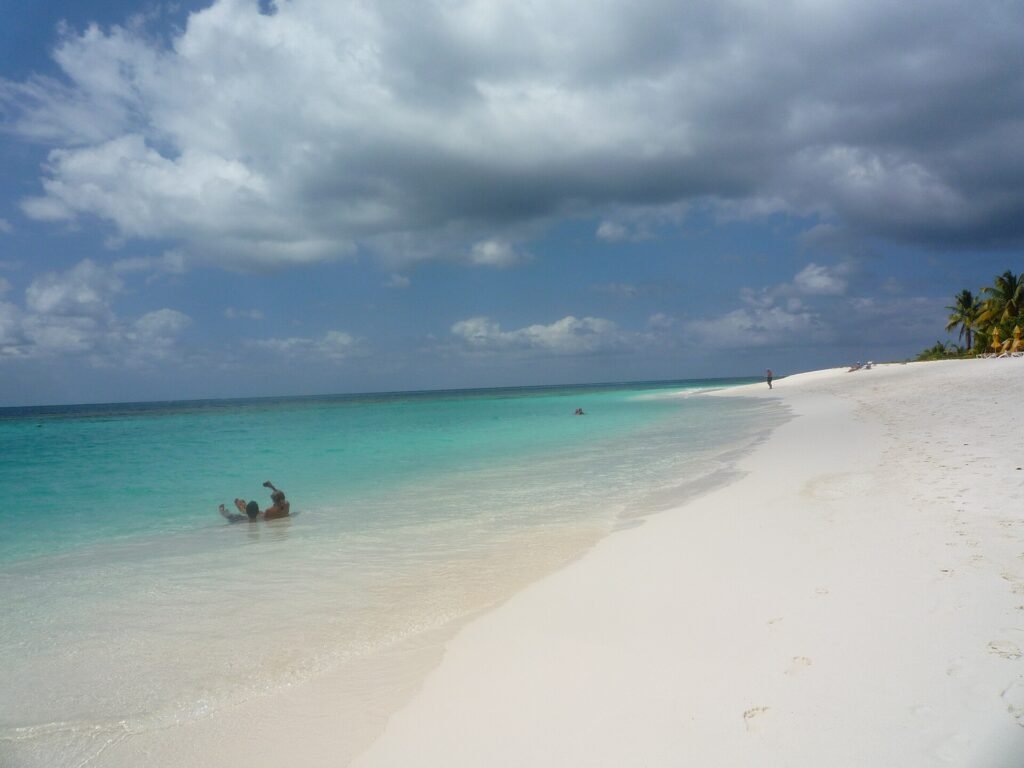
Anguilla is the quiet luxury island of the Caribbean. This flat, coral island in the northern Leeward Islands is only about 26 km long, yet it has 33 public beaches, some of the softest white sand and clearest water in the region, and a food scene far bigger than its size. There are no big cruise ships, no high-rise strip and no casinos. Instead you get long empty beaches, barefoot beach bars with live music, world-class resorts and friendly locals. This guide covers when to go, how to get there and around, where to stay, the best beaches, things to do, day trips, shopping, food and nightlife, the big festivals, sample itineraries and the do’s and don’ts first-timers miss.
Best time to visit Anguilla
Anguilla is warm all year, with daytime highs of roughly 28 to 31°C and sea temperatures that rarely drop below 26°C. What changes is rain, wind, crowds and price.
- December to April (peak season): the driest, sunniest months, with steady trade winds and calm, clear water on most beaches. This is the most popular and most expensive time. Christmas, New Year and the weeks around Easter sell out early, so book flights and hotels months ahead.
- May to July (shoulder season): still mostly dry and sunny, a little hotter and much quieter. Hotel rates drop, and the island hosts its regatta and culinary events in spring and the Summer Festival from July into early August. Many regular visitors think this is the best value of the year.
- August to November (low season): the Atlantic hurricane season runs from June 1 to November 30 and peaks from mid-August to October. Many resorts and restaurants close for a few weeks in September and October for maintenance. Prices are lowest, but plan with flexible bookings.
For the best mix of weather and value, aim for late April to June or early December before the holiday rush. If you want the full high-season buzz, January to March is ideal.
Getting there and getting around
Flying in
Anguilla’s own airport is Clayton J. Lloyd International Airport (AXA), just outside The Valley. Its runway handles regional jets and smaller aircraft, so there are only a few direct routes. American Airlines flies from Miami, and in the winter season BermudAir’s AnguillAir service has added nonstop flights from the US Northeast, including Newark, Boston and Baltimore. Schedules are seasonal, so check what is running for your dates. From Canada and Europe you will usually connect through Miami, a US Northeast airport or St. Maarten.
Via St. Maarten
Many visitors fly into Princess Juliana International Airport (SXM) on neighbouring St. Maarten, which has far more flights, then cross by boat. Private and shared charter boats leave from near the airport and reach Anguilla’s Blowing Point terminal in about 25 to 30 minutes. A public ferry also runs from Marigot on the French side. Short connecting flights from SXM to AXA take about 10 minutes. Leaving Anguilla, a departure tax applies, and it may not be included in your boat fare, so carry some cash.
Getting around
Rent a car. It is the easiest way to beach-hop, and the island is small enough that nothing is more than about 30 minutes away. Anguillians drive on the left, and you will need a temporary local driving permit, which rental companies arrange for a small fee. Roads are generally good but narrow, with speed bumps, goats and few street signs. Taxis are available at the airport, the ferry terminal and hotels, and use set rates by zone, so agree the fare before you go. There is no practical public transport for visitors.
Where to stay in Anguilla
- West End (Meads Bay, Barnes Bay, Maundays Bay, Rendezvous Bay): the luxury heart of the island, with long sunset-facing beaches and famous resorts such as Four Seasons, Malliouhana, Cap Juluca and Aurora Anguilla, which also has the island’s championship golf course. Choose this area for a classic five-star beach holiday.
- Shoal Bay East: on the north-east coast, with Anguilla’s best-known beach, good snorkelling and a mix of boutique resorts, apartments and casual beach restaurants. A great base if you want the beach on your doorstep without full resort prices.
- Sandy Ground: a lively little village on Road Bay, the yacht anchorage. It has guesthouses, smaller hotels, bars with live music and boats to Sandy Island and Prickly Pear. Best for budget-conscious travellers and night owls.
- Island Harbour and the East End: a working fishing village with colourful boats, local seafood restaurants and private villas. Quiet, authentic and a little away from the crowds.
- Villas: Anguilla has many private villas, from cottages to estates with staff. For families or groups, a villa often costs less per person than a resort.
The best beaches in Anguilla
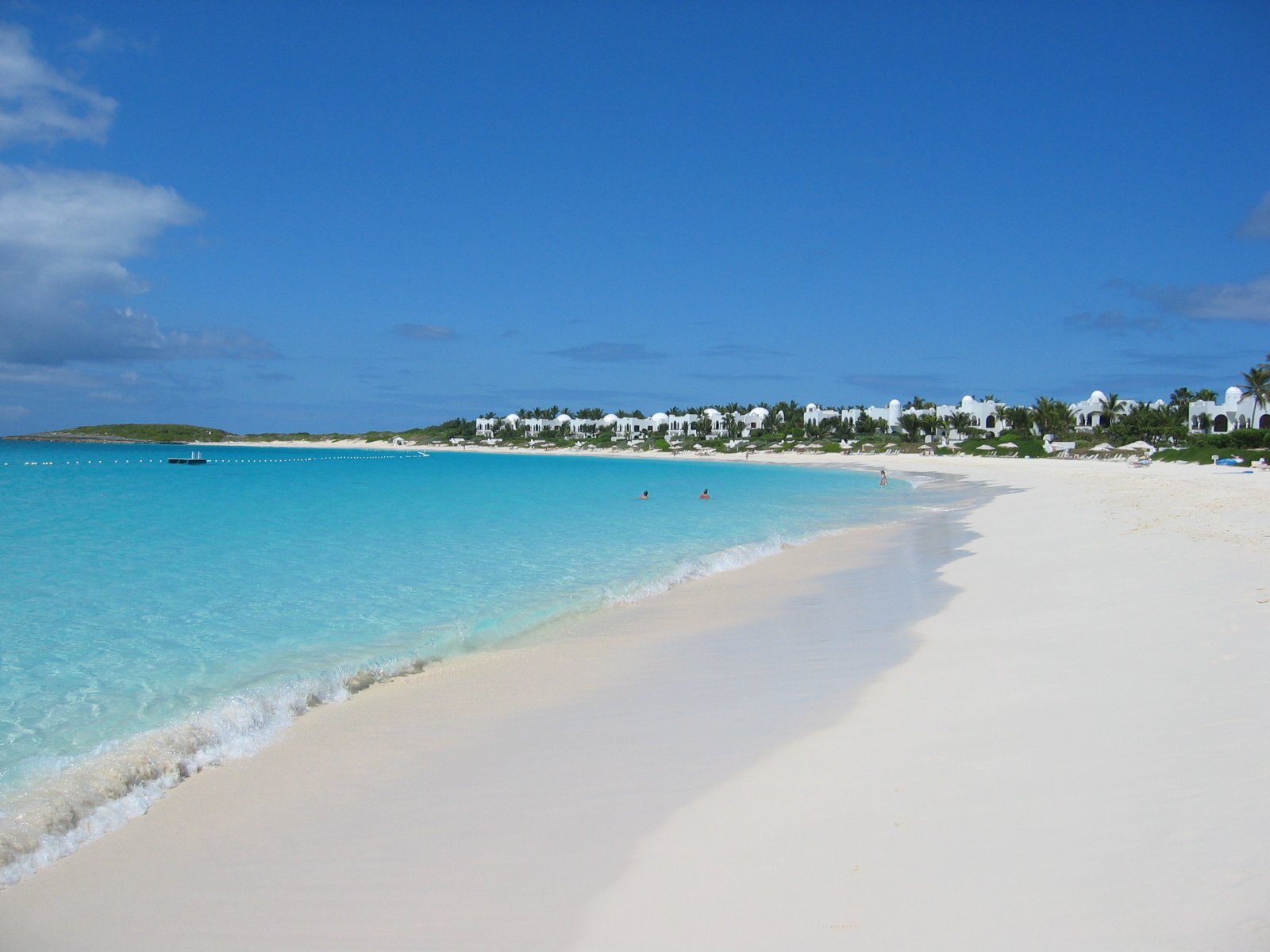
Every beach in Anguilla is public, even those in front of the big resorts, and most are uncrowded even in high season.
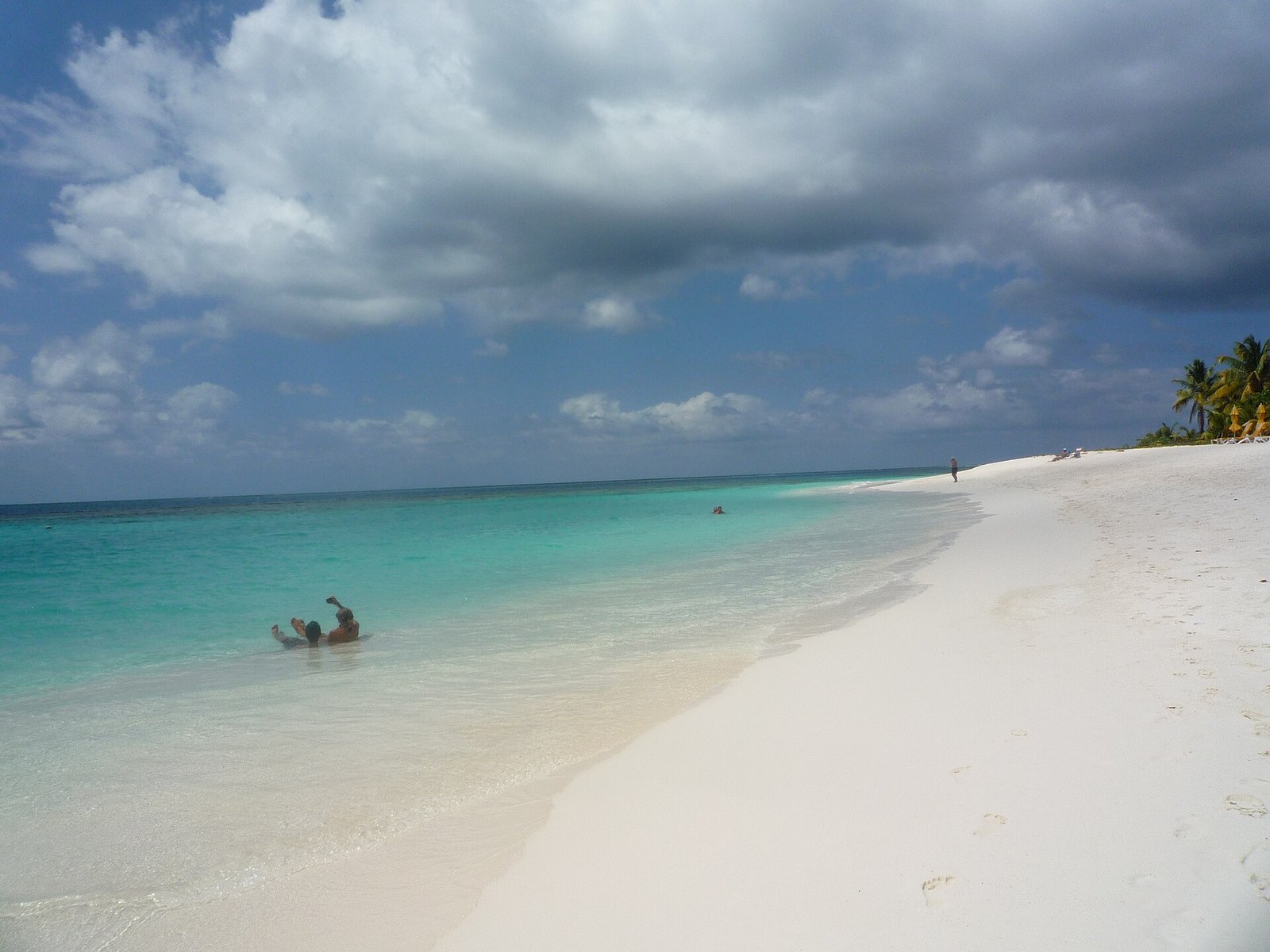
- Shoal Bay East: two miles of powdery sand on the north coast, often ranked among the best beaches in the Caribbean. Calm water, reef snorkelling near the shore and beach bars where you can rent loungers.
- Meads Bay: a long, gentle crescent on the West End lined with resorts and some of the island’s best restaurants. Ideal for swimming and sunset walks.
- Rendezvous Bay: a wide beach facing St. Martin, home to famous beach bars and live music. Great for long walks and kitesurfing on windy days.
- Maundays Bay: a perfect half-moon of sand in front of Cap Juluca, with very calm, clear water.
- Little Bay: a tiny cove under limestone cliffs, reached by boat or by kayak. Excellent snorkelling with turtles and reef fish.
- Captain’s Bay and Savannah Bay: wild, remote beaches on the north-east coast, reached on rough roads. Bring everything you need, because there are no facilities.
- Sandy Ground (Road Bay): a lively harbour beach with bars, restaurants and boats coming and going. Lovely at sunset.
Things to do in Anguilla
- Beach-hop by car. Spend a day driving from the West End to Shoal Bay East and stopping at a new beach every hour or two.
- Snorkel and dive. Shoal Bay East, Little Bay and the reefs off Prickly Pear are the top snorkelling spots. Divers can explore several ships that were sunk on purpose to create artificial reefs, plus coral reefs around the offshore cays.
- Sail or charter a boat. Half-day and full-day charters take you to the offshore cays, hidden coves and sunset cruises along the West End.
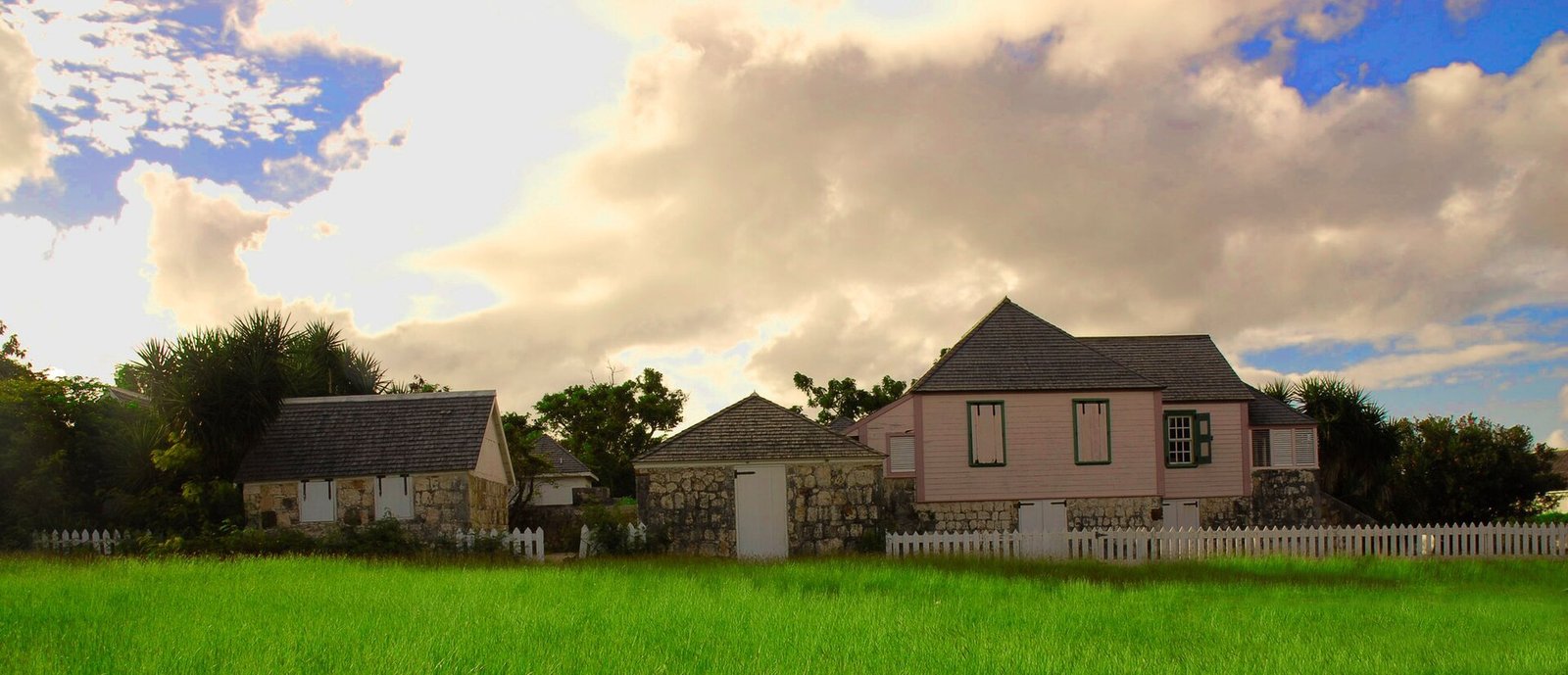
- Visit Wallblake House. Built in the late 1700s in The Valley, it is one of the oldest surviving plantation houses on the island and a window into Anguilla’s history.
- See Amerindian petroglyphs. Fountain Cavern National Park and the Big Spring site in Island Harbour hold rock carvings left by the island’s first inhabitants. Access to the caves is limited, so check opening times with the Anguilla National Trust.
- Watch a boat race. Sailboat racing is Anguilla’s national sport. Races are held on public holidays and during the Summer Festival, with crowds cheering from the beaches.
- Play golf or try water sports. Aurora Anguilla has a Greg Norman-designed course. Kitesurfing, paddleboarding and kayaking are available on several beaches.
Nature and day trips
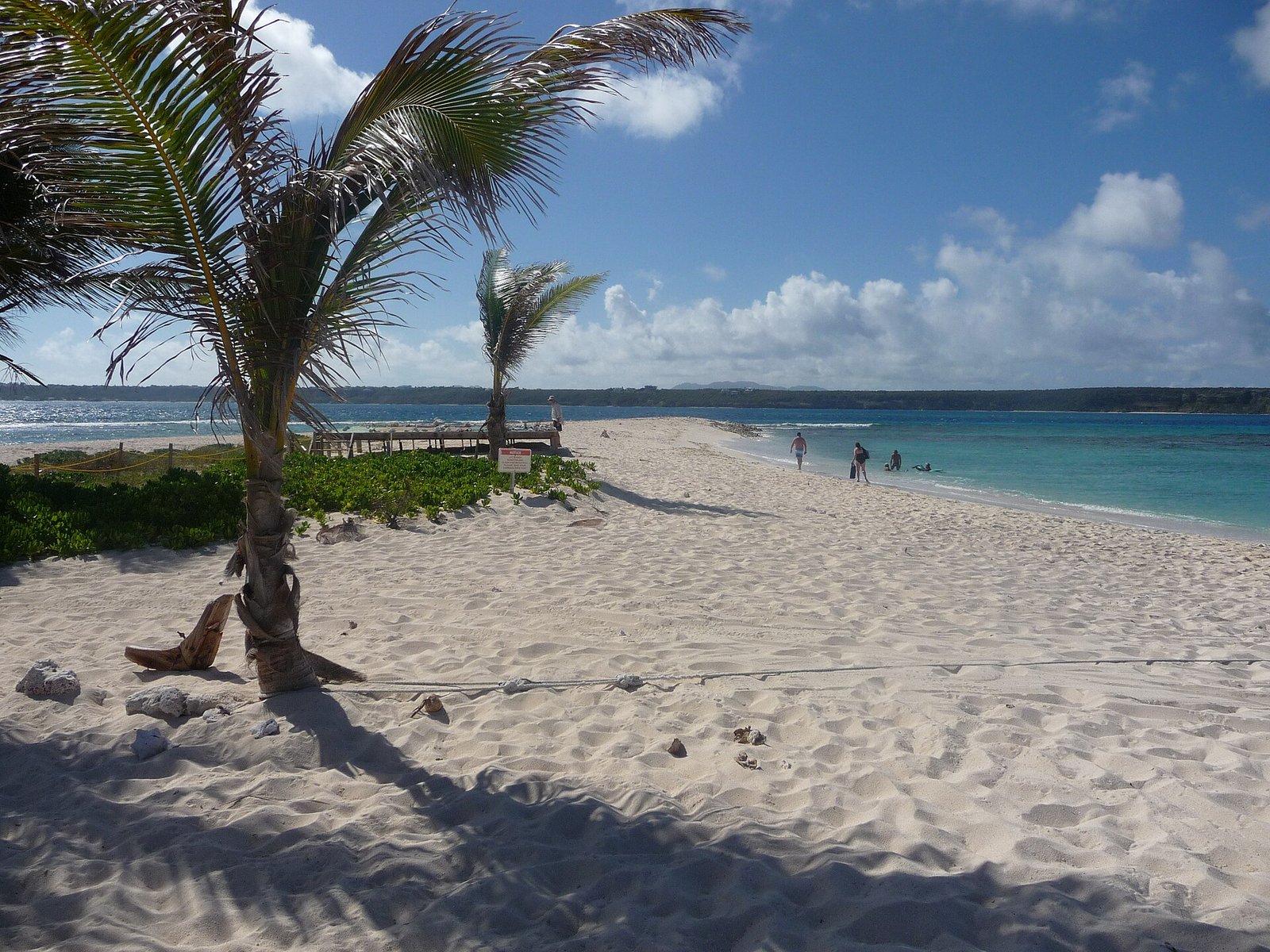
- Sandy Island: a tiny cay of sand and palm trees a few minutes by boat from Sandy Ground, with a beach bar and snorkelling on the surrounding reef. Boats run from the Sandy Ground jetty.
- Prickly Pear Cays: two uninhabited islets about 9 km off the north coast, with white sand, clear water and reefs. Most visitors go on a day sail with lunch included.
- Salt ponds and birdwatching: Anguilla’s ponds, including Road Salt Pond near Sandy Ground and the East End ponds, attract herons, egrets, pelicans and other water birds. The island once exported salt, and you can still see the old ponds.
- Sea turtles: green, hawksbill and leatherback turtles nest on Anguilla’s beaches, mainly from about May to October. Follow local guidance and never disturb nests or hatchlings.
- St. Martin and Sint Maarten: a short boat ride away, this two-nation island is ideal for a day of shopping, French cafés in Marigot or Grand Case, and watching planes land over Maho Beach. Bring your passport.
- St. Barths: charter boats and short flights from the region make a day or overnight trip to chic St. Barthélemy possible in calm weather.
Shopping in Anguilla
Anguilla is not a shopping destination, and that is part of its charm. There are no malls or duty-free strips. Instead, look for:
- Local art: small galleries and studios sell paintings, prints, sculpture and carvings by Anguillian and Caribbean artists.
- Resort boutiques: the big West End resorts have stylish shops for swimwear, linen and jewellery.
- Edible souvenirs: local hot sauces, spices, sea salt and rum make easy gifts.
- Groceries: supermarkets in The Valley and South Hill are useful if you stay in a villa or apartment. Prices are higher than at home because most goods are imported.
For serious shopping, plan a day trip to Philipsburg or Marigot on St. Martin.
Food, nightlife and entertainment
Anguilla is often called the culinary capital of the Caribbean. For an island of about 16,000 people, it has an unusual number of excellent restaurants, from fine dining to roadside barbecue.
What to eat
- Anguillian lobster and crayfish: the local spiny lobster and smaller crayfish are the island’s signature dishes, usually grilled with garlic butter.
- Fresh fish: snapper, grouper and mahi-mahi, often caught the same morning in Island Harbour.
- Local plates: peas and rice, johnnycakes, barbecue ribs and chicken from roadside grills, and goat stew.
- Rum punch: every beach bar has its own recipe.
Where to go
- Beach bars: casual spots on Rendezvous Bay, Shoal Bay East, Sandy Ground and Meads Bay serve grilled seafood with your feet in the sand. The Dune Preserve on Rendezvous Bay, run by the musician Bankie Banx, is the island’s most famous music bar.
- Fine dining: resort restaurants on the West End and independent restaurants such as Blanchard’s on Meads Bay are known well beyond the island. Book ahead in high season.
- Live music: reggae, soca and local bands play at beach bars most nights in season, especially on weekends. Sandy Ground is the best area to hop between bars.
Nightlife is relaxed rather than wild. Expect sunset drinks, a long dinner and live music on the sand, not big clubs.
Festivals and events
Exact dates change each year, so check the official announcement before you book.
- Moonsplash Music Festival (usually March): a long-running reggae and music festival at the Dune Preserve on Rendezvous Bay, timed around the full moon.
- Festival del Mar (Easter weekend): a seafood and sea festival in Island Harbour with boat races, fishing competitions and local food.
- Anguilla Regatta and culinary events (usually May): sailing races and food festivals bring a spring buzz to the island.
- Anguilla Day (May 30): a national holiday with a traditional round-the-island boat race.
- Anguilla Summer Festival (July to early August): the island’s carnival, with pageants, calypso, parades, J’ouvert and the biggest boat races of the year around August Monday, the Emancipation holiday. The 2026 festival ran from July 10 to August 9; the 2027 dates had not been announced at the time of writing.
- Valley Christmas Festival (December): holiday lights, music and food in the capital.
Sample Anguilla itineraries
3 days in Anguilla
- Day 1 – West End beaches: settle in on Meads Bay, swim and lounge, then walk to Maundays Bay or Rendezvous Bay for sunset. Have dinner at a beachfront restaurant on Meads Bay.
- Day 2 – Shoal Bay East: spend the morning snorkelling the reef at Shoal Bay East, have lunch at a beach bar, then explore Island Harbour in the afternoon. In the evening, head to Sandy Ground for live music.
- Day 3 – Sandy Island: take a boat from Sandy Ground to Sandy Island for a lazy morning and a seafood lunch. Back on the main island, catch the sunset at Rendezvous Bay.
7 days in Anguilla
- Day 1 – Arrival: pick up your rental car, check in and enjoy your first sunset on the West End.
- Day 2 – Meads Bay and Barnes Bay: a slow beach day, with a long lunch and a sunset walk.
- Day 3 – Shoal Bay East: snorkel, swim and relax on Anguilla’s most famous beach.
- Day 4 – Prickly Pear Cays: a full-day sail with snorkelling and lunch on the cays.
- Day 5 – Heritage and east end: visit Wallblake House in The Valley, look for petroglyphs, then drive to Island Harbour and the wild beaches of Captain’s Bay and Savannah Bay.
- Day 6 – St. Martin day trip: cross by boat for shopping in Marigot, lunch in Grand Case and plane-spotting at Maho Beach.
- Day 7 – Little Bay and Rendezvous Bay: kayak or take a boat to Little Bay, then finish with sunset and music on Rendezvous Bay.
Anguilla do’s and don’ts
Do
- Book flights, hotels and villas early for Christmas, New Year and the February to April peak.
- Rent a car and get your temporary driving permit through the rental company.
- Carry some cash in small US dollar bills for beach bars, taxis and tips.
- Use reef-safe sunscreen, a hat and plenty of water.
- Reserve popular restaurants a few days ahead in high season.
- Bring your passport for any day trip to St. Martin or St. Barths.
Don’t
- Don’t drive on the right. Take extra care at roundabouts and at night.
- Don’t expect big clubs, casinos or shopping malls.
- Don’t wear swimwear away from the beach, for example in shops or in The Valley.
- Don’t touch or stand on coral, or disturb nesting turtles.
- Don’t leave valuables unattended on the beach or in a parked car.
- Don’t plan a September or October trip without checking that your hotel and favourite restaurants are open.
Anguilla FAQ
How do you get to Anguilla?
Fly to Anguilla’s airport (AXA), either nonstop on the few direct routes from the US or via Miami, or fly into St. Maarten (SXM) and take a 25- to 30-minute boat or a 10-minute flight across.
How many days do you need in Anguilla?
Three days gives you a taste of the best beaches. Five to seven days lets you add a boat trip to the cays, a day on St. Martin and plenty of time to relax.
Do I need a car in Anguilla?
It is not essential if you stay at a resort, but a rental car is the easiest and cheapest way to explore the beaches. Remember to drive on the left.
What currency is used in Anguilla?
The official currency is the Eastern Caribbean dollar, which is pegged to the US dollar. US dollars and major credit cards are widely accepted.
Is Anguilla expensive?
Anguilla is one of the more expensive Caribbean islands, especially for luxury resorts in high season. You can save with shoulder-season travel, apartments or guesthouses, beach-bar lunches and a good flight deal.
When is hurricane season in Anguilla?
Officially from June 1 to November 30, with the highest risk from mid-August to October.
Do I need a visa for Anguilla?
Visitors from many countries, including Canada, the US, the UK and the EU, do not need a visa for a short holiday, but everyone needs a valid passport. Check the official entry requirements before you travel.
Planning a trip to Anguilla?
We track flight, hotel and package prices and only post deals that beat the usual price. See what’s live right now.
See Anguilla deals