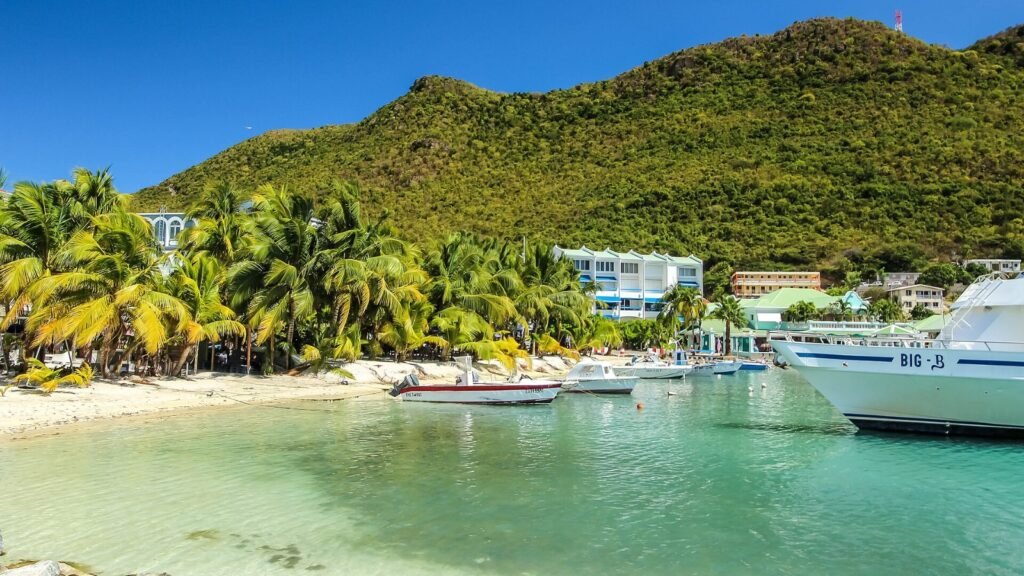
Updated November 2026 · About a 12-minute read
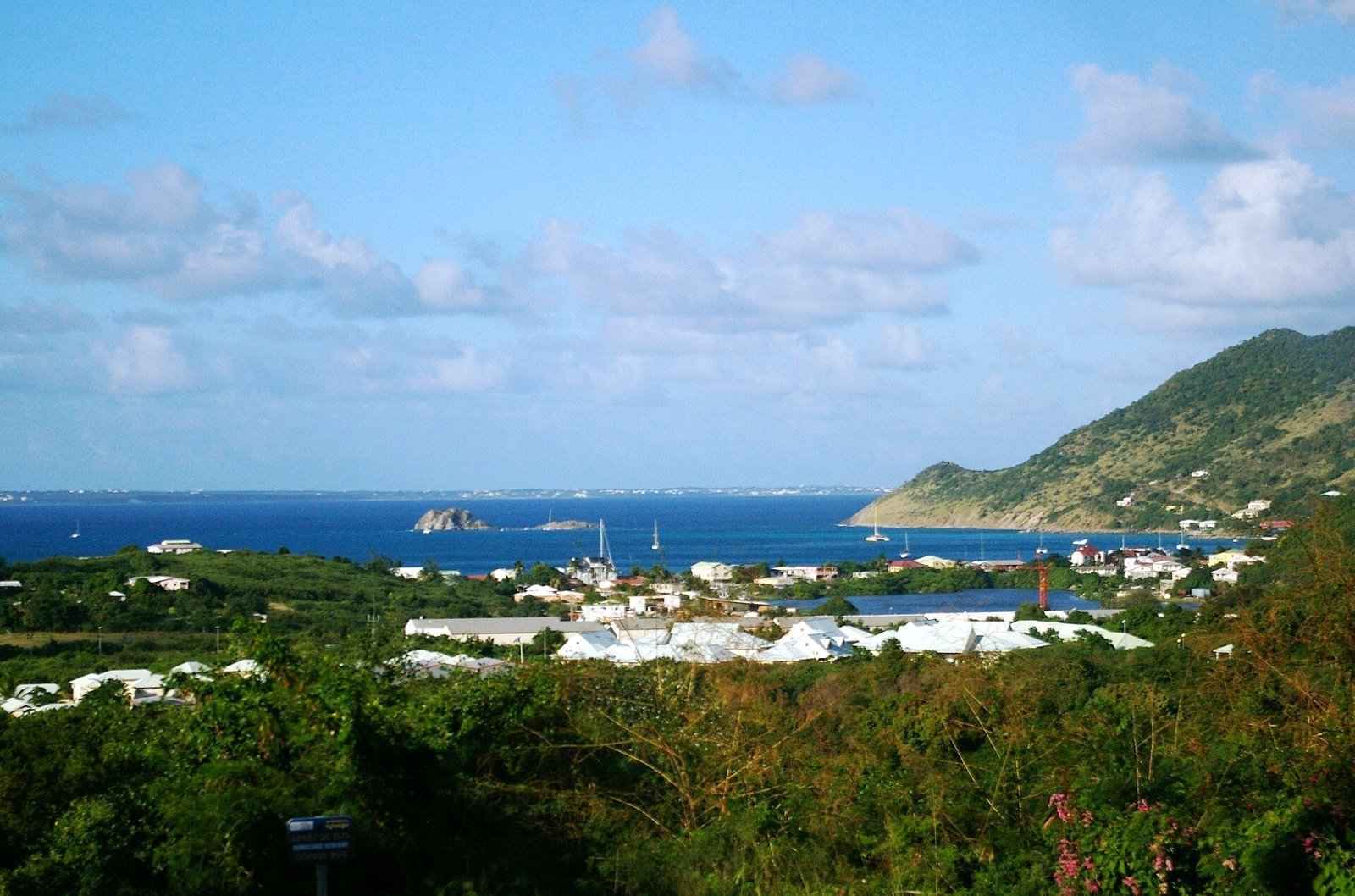
St. Maarten is one island with two countries on it. The south is Sint Maarten, part of the Kingdom of the Netherlands, with the cruise port, duty-free shopping and the airport. The north is Saint-Martin, part of France, with quieter beaches, French bakeries and some of the best food in the Caribbean. There is no border check between them, so in one day you can swim at Orient Bay, eat lunch in Grand Case and watch jets land over Maho Beach. This guide covers when to go, how to get around, where to stay, the best beaches, things to do, food, events, sample itineraries and the mistakes first-timers make.
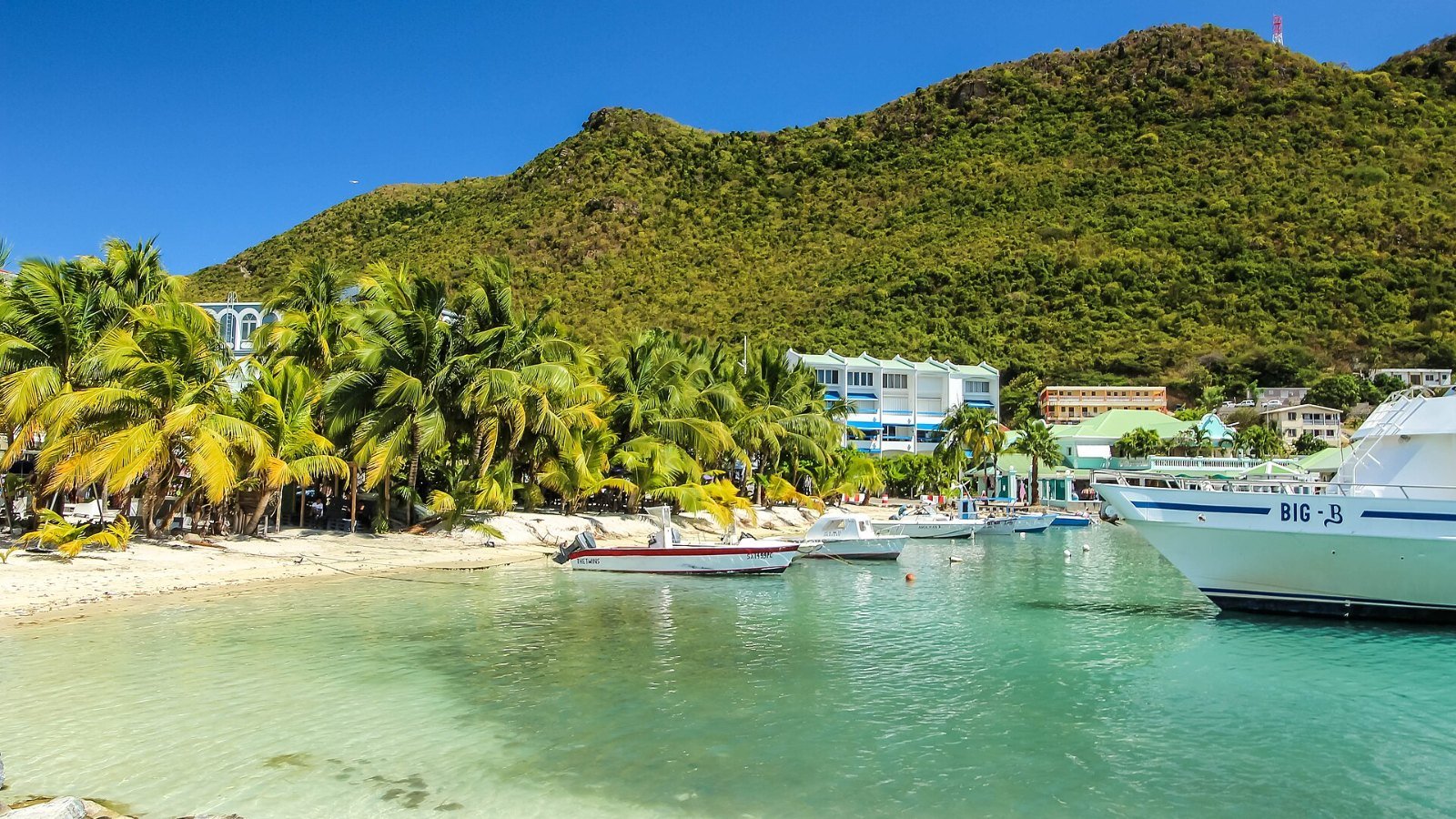
Best time to visit St. Maarten
The island is warm all year, with air temperatures of about 25 to 30°C (77 to 86°F) and sea temperatures of about 26 to 29°C. What changes is rain, humidity and price.
December to April is the dry season and the high season. Days are sunny, the trade winds keep things comfortable and the sea is usually calm on the sheltered beaches. It is also when hotels charge the most, especially from Christmas to New Year and in February and March. Early to mid December, before the holiday rush, is one of the best-value windows of the winter.
May and June are a sweet spot. The weather is still mostly dry, the winter crowds have gone and hotel prices start to drop. The Dutch-side Carnival runs from late April into May.
July to November is the low season and overlaps the Atlantic hurricane season, which runs from June to November. The highest risk is in September and October, when some restaurants and smaller hotels close for a few weeks. If you travel then, book refundable rooms where you can and watch the forecasts before you leave.
Getting there and getting around
Almost everyone arrives at Princess Juliana International Airport (SXM) on the Dutch side, which has nonstop flights from New York, Toronto, Miami, Charlotte, Atlanta, Boston and several European cities, plus short hops from other Caribbean islands. The French side has a small airport at Grand Case for regional flights. Many cruise lines also call at Philipsburg.
All travellers entering the Dutch side must complete the digital embarkation and disembarkation (ED) form at entry.sx. You can fill it in up to seven days before you fly, and each traveller needs their own form. Bring a valid passport and check the entry rules for your own nationality before you go.
Car rental is the easiest way to see both sides. You drive on the right, roads are generally fine and distances are short: the whole island is about 87 square kilometres. Traffic can be slow around Simpson Bay, Philipsburg and Marigot at rush hour and on cruise days. Rental desks are at the airport and in the main towns.
Taxis have no meters. Fares are set by distance, so agree on the price before you get in. Minibuses run along the main roads between Philipsburg, Simpson Bay, Marigot and Grand Case. They are cheap but do not keep a strict timetable.
Money: the Dutch side uses its own guilder and the French side uses the euro, but US dollars are accepted almost everywhere and change is often given in dollars. Small vendors and beach bars may only take cash. Power: the Dutch side uses 110 to 120 volts like North America, while the French side uses 220 volts with European plugs, so bring an adapter if you stay in the north.
Where to stay
Simpson Bay and Maho (Dutch side) are close to the airport and full of restaurants, bars and casinos. Good if you want nightlife and easy transfers, less good if you want quiet.
Philipsburg and Great Bay put you on a long beach next to the boardwalk and Front Street shops. The town is busy on cruise days and very calm in the evening.
Oyster Pond and Dawn Beach are on the quieter east coast, straddling the border. Expect resort pools, sunrise views and a short drive to everything else.
Orient Bay (French side) has the island’s longest beach, water sports and a small village of restaurants and boutiques. It suits couples and families who want to spend most of their time on the sand.
Grand Case is a one-street fishing village with small hotels, guesthouses and the island’s best restaurants. Stay here if food is the reason you travel.
Cupecoy and Terres Basses on the west end have villas, cliffs and quieter beaches like Mullet Bay and Baie Rouge.
Best beaches
The island has 37 beaches, and all of them are public. Some of the most popular:
- Orient Bay, the longest beach, with water sports, beach clubs and loungers to rent.
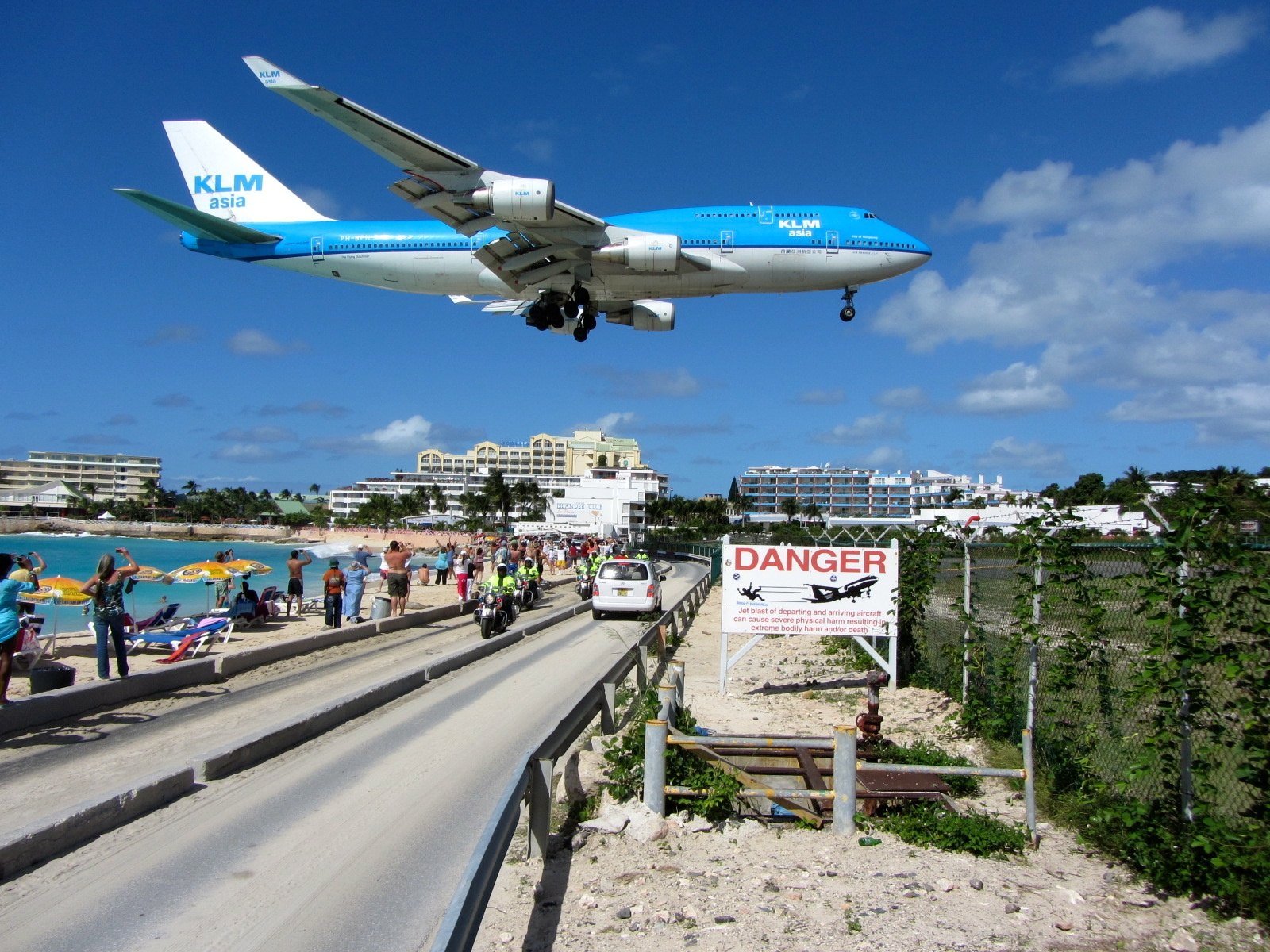
- Maho Beach, at the end of the airport runway, famous for planes passing just overhead before landing.
- Mullet Bay, a wide, pretty beach near Maho with calmer water and a local crowd at weekends.
- Baie Rouge, on the French west coast, with pinkish sand, clear water and good snorkelling at the rocks.
- Great Bay, the town beach in Philipsburg, easy to reach and lined with bars along the boardwalk.
- Dawn Beach, on the east coast, known for sunrise and snorkelling over the reef close to shore.
- Pinel Island, a small islet in the nature reserve, reached by a short ferry from Cul-de-Sac. It empties out after the last boat leaves in the late afternoon.
Top things to do
Watch the planes at Maho Beach. Jets cross the road and the beach at very low height before touching down. Arrive before the big afternoon arrivals, and stay off the fence and out of the jet blast zone when planes take off. The warning signs are there because people have been hurt.
Walk Philipsburg. Front Street is the duty-free shopping strip, and the Great Bay boardwalk runs parallel to it along the sand. Climb up to the ruins of Fort Amsterdam at the west end of the bay for views back over the harbour.
Spend a day in Marigot. The French capital has a marina, cafés and an outdoor market selling spices, crafts and clothes. Fort Louis, built in 1789 to guard the harbour, sits on the hill above town and the short climb gives the best view of the bay and Anguilla beyond.
Snorkel in the nature reserve. The Réserve Naturelle on the French side protects reefs, seagrass beds, mangroves and ponds, with more than 1,000 recorded species. Boat trips to Tintamarre and Pinel are the easy way in, and you can kayak the mangroves from Le Galion.
Ride a zip line. Loterie Farm, a former sugar estate at the foot of Pic Paradis, has tree-top courses. On the Dutch side, Rainforest Adventures at Sentry Hill has a long, steep zip line and a chairlift with views across to Saba and St. Barths.
Get out on the water. Catamaran trips, sunset sails, deep-sea fishing and lagoon tours leave from Simpson Bay and Philipsburg. The Simpson Bay Lagoon is one of the largest in the Caribbean and full of yachts in winter.
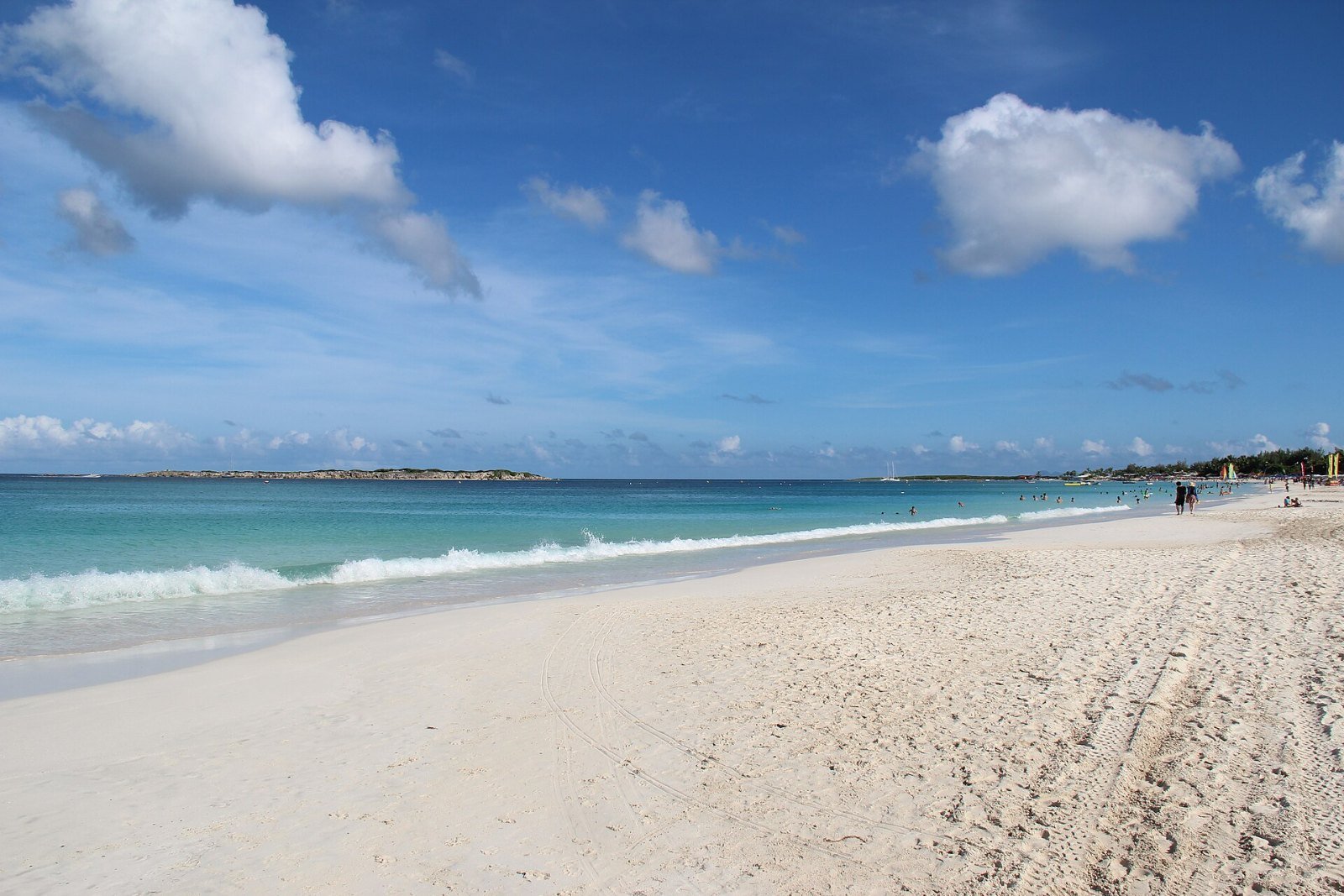
Nature and day trips
Pic Paradis is the island’s highest point at 424 metres. Trails start near Loterie Farm and reward the climb with views over both sides of the island.
Anguilla is about 25 minutes away by ferry from Marigot or by private charter. Go for its long, quiet white-sand beaches. Take your passport.
St. Barths is reachable by ferry from Philipsburg or Marigot, or by a very short flight. It is small and pricey, with excellent beaches and shopping in Gustavia. Sea crossings can be rough when the wind is up.
Saba, a steep volcanic island, is a favourite with hikers and divers. It is a longer and often choppy ferry ride, so a flight can be the better choice.
Shopping
The Dutch side is a duty-free port, and Front Street in Philipsburg is lined with jewellery, watch, electronics, liquor and cigar shops. Compare prices with home before you buy, and ask for a receipt for customs. Marigot has French boutiques, wine shops and the market, where you can buy spices, local rum, straw bags and souvenirs. The island’s best-known edible souvenir is guavaberry liqueur, made from a small wild berry and sold in Philipsburg. For groceries, the French-side supermarkets are full of cheese, wine and pastries at sensible prices.
Food, nightlife and entertainment
Food is one of the main reasons people come back. Grand Case has a row of restaurants on the water, from fine French dining to the lolos, open-air grills that serve ribs, chicken, lobster, rice and peas and johnny cakes at local prices. During the winter season, Grand Case holds a weekly street party with music and stalls along the main road.
Look for grilled spiny lobster, red snapper, conch (called lambi), saltfish and johnny cakes for breakfast, and French pastries from any bakery on the north side. Restaurants in the French part often include service on the bill, so check before you add a tip. On the Dutch side, 10 to 15% is normal if service is not included.
After dark, Simpson Bay and Maho are the centres of nightlife, with beach bars, live music, clubs and casinos. Orient Bay’s beach clubs are busy in the afternoon and quieter at night, while Philipsburg is mostly a daytime town.

Annual events
- Saint-Martin Carnival (French side), February. Parades and street parties in Marigot and Grand Case in the weeks before Lent.
- St. Maarten Heineken Regatta, first weekend of March. One of the Caribbean’s biggest sailing events, with more than 200 boats and parties every night. The 2027 regatta is scheduled for March 4 to 7.
- SXM Festival, March. Several days of electronic music events at beaches and venues around the island.
- St. Maarten Carnival (Dutch side), late April to May. The island’s largest festival, centred on the Carnival Village in Philipsburg, with calypso, soca, pageants and the Grand Parade. Carnival Day on April 30 is a public holiday.
- Emancipation Day, July 1. Marks the abolition of slavery with cultural events on both sides.
- St. Martin’s Day, November 11. Celebrated on both sides with parades, music and food.
Exact dates for carnival and festival events are set each year, so check the organisers’ announcements before you book.
3-day and 7-day itineraries
3 days
Day 1: Morning on Great Bay beach, then walk Front Street and the boardwalk and climb to Fort Amsterdam. Watch the evening arrivals at Maho Beach and have dinner in Simpson Bay.
Day 2: Drive to the French side. Coffee and croissants in Marigot, the market and Fort Louis, then an afternoon at Baie Rouge. Dinner in Grand Case.
Day 3: A full beach day at Orient Bay with a boat to Pinel Island for snorkelling. Sunset drink back at Orient Bay or Dawn Beach.
7 days
Follow the 3-day plan, then add:
Day 4: Boat trip to Tintamarre and the nature reserve, or kayak the mangroves from Le Galion.
Day 5: Day trip to Anguilla by ferry from Marigot for its quiet beaches.
Day 6: Morning hike up Pic Paradis and zip lining at Loterie Farm, then a lazy afternoon at Mullet Bay.
Day 7: Catamaran or sunset sail from Simpson Bay, a last lolo lunch in Grand Case and some duty-free shopping before you fly.
Do’s and don’ts
Do
- Fill in the ED entry form before you fly.
- Agree on taxi fares before you set off.
- Carry some small US dollar bills for beach chairs, tips and lolos.
- Use reef-safe sunscreen, especially in the nature reserve.
- Bring a plug adapter if you stay on the French side.
- Book popular Grand Case restaurants ahead in high season.
Don’t
- Don’t hold on to the fence at Maho Beach during take-offs. Jet blast can knock people over.
- Don’t leave valuables in a parked car or unattended on the beach.
- Don’t plan a day trip by ferry for the day you fly home.
- Don’t touch or stand on coral when snorkelling.
- Don’t assume every place takes cards; small vendors may be cash only.
St. Maarten FAQ
Is St. Maarten the same as St. Martin?
Yes, they are two halves of the same island. Sint Maarten (the south) belongs to the Kingdom of the Netherlands and Saint-Martin (the north) belongs to France. You can cross freely between them.
What is the best month to visit St. Maarten?
December to April has the driest, sunniest weather. Early December and May to June often give the best mix of good weather and lower prices.
Do I need a car in St. Maarten?
Not if you stay put, but a rental car is the easiest way to see both sides. The island is small, and you can drive from one end to the other in under an hour outside rush hour.
What currency should I bring?
US dollars work almost everywhere on both sides. The French side officially uses the euro, so you may get a better price in euros there. Credit cards are widely accepted, but carry some cash.
Is St. Maarten good for families?
Yes. Calm beaches like Mullet Bay and parts of Orient Bay, boat trips, zip lines and casual beach restaurants make it easy with children. Keep kids well away from the fence at Maho Beach.
Can I visit other islands from St. Maarten?
Yes. Ferries go to Anguilla and St. Barths, and short flights and ferries reach Saba and other nearby islands. Bring your passport on every day trip.
Planning a trip to St. Maarten?
We track flight, hotel and package prices and only post deals that beat the usual price. See what’s live right now.
See St. Maarten deals