Updated November 2026 · About a 12-minute read
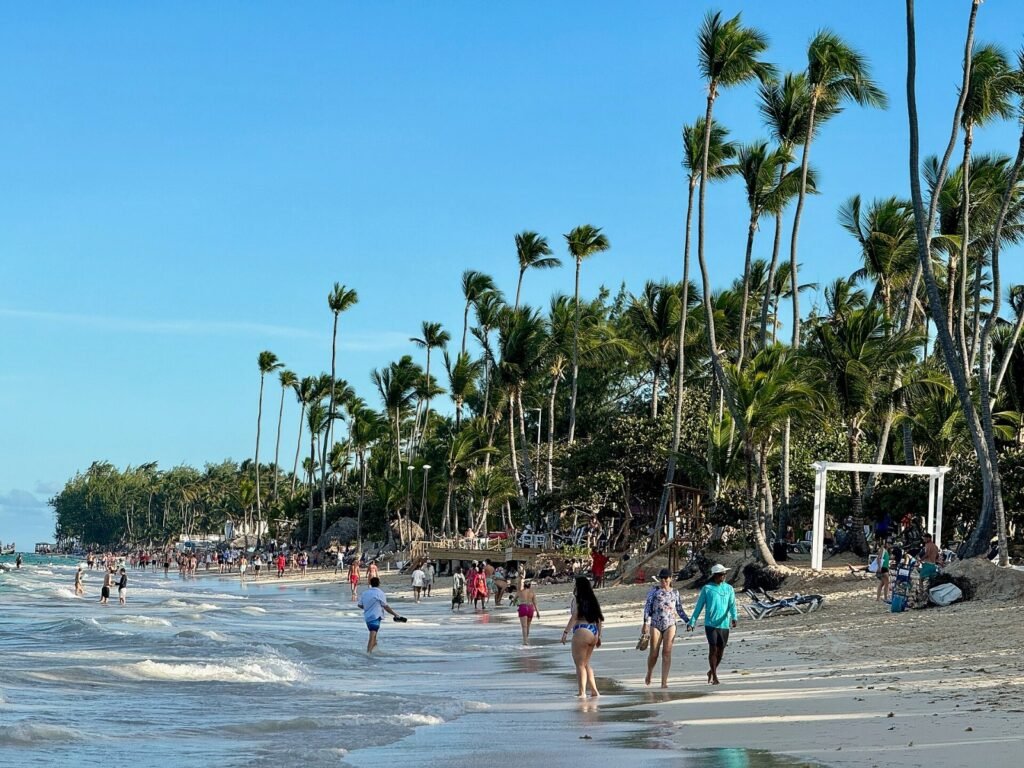
Punta Cana is the Caribbean’s easiest beach escape: more than 50 km of white sand and palm trees on the eastern tip of the Dominican Republic, warm water all year, and short nonstop flights from much of North America and Europe. Most visitors come for a week at an all-inclusive resort, and there is nothing wrong with that, but the region also has cenotes, mangrove lagoons, a car-free island inside a national park, and a lively Dominican side once you step outside the resort gates. This guide covers when to go, which area to stay in, the best beaches, things to do and eat, day trips, annual events, and ready-made 3-day and 7-day plans.
Best time to visit Punta Cana
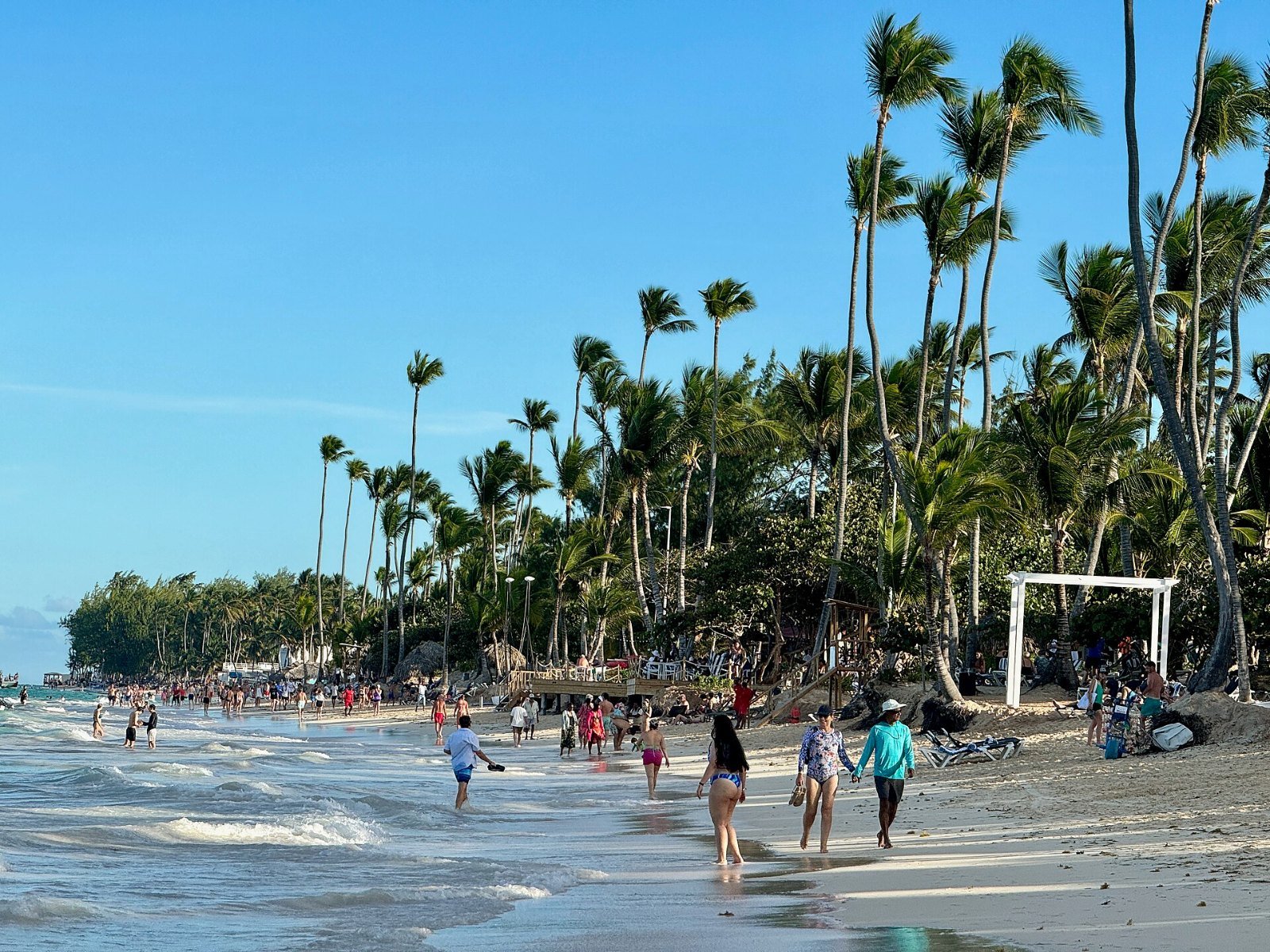
Punta Cana is warm every month of the year. Daytime highs sit around 28 to 31°C, nights rarely drop below 20°C, and the sea stays in the mid to high 20s. What changes through the year is rain, humidity, crowds and price.
December to April is the dry season and the most popular time to go. Skies are mostly clear, humidity is lower and the trade winds keep the beaches comfortable. It is also peak season: prices are highest around Christmas, New Year, February and the spring school breaks, so book early or travel in early December or mid-January for better value.
May and June are a good shoulder season. It gets hotter and short tropical showers become more common, but they usually pass within an hour, and hotel rates fall noticeably.
July to November is the low season and overlaps with the Atlantic hurricane season, which officially runs from June 1 to November 30. Most days are still sunny with brief afternoon storms, and direct hits are rare, but the risk is highest from August to October. If you travel then, choose refundable bookings and consider travel insurance.
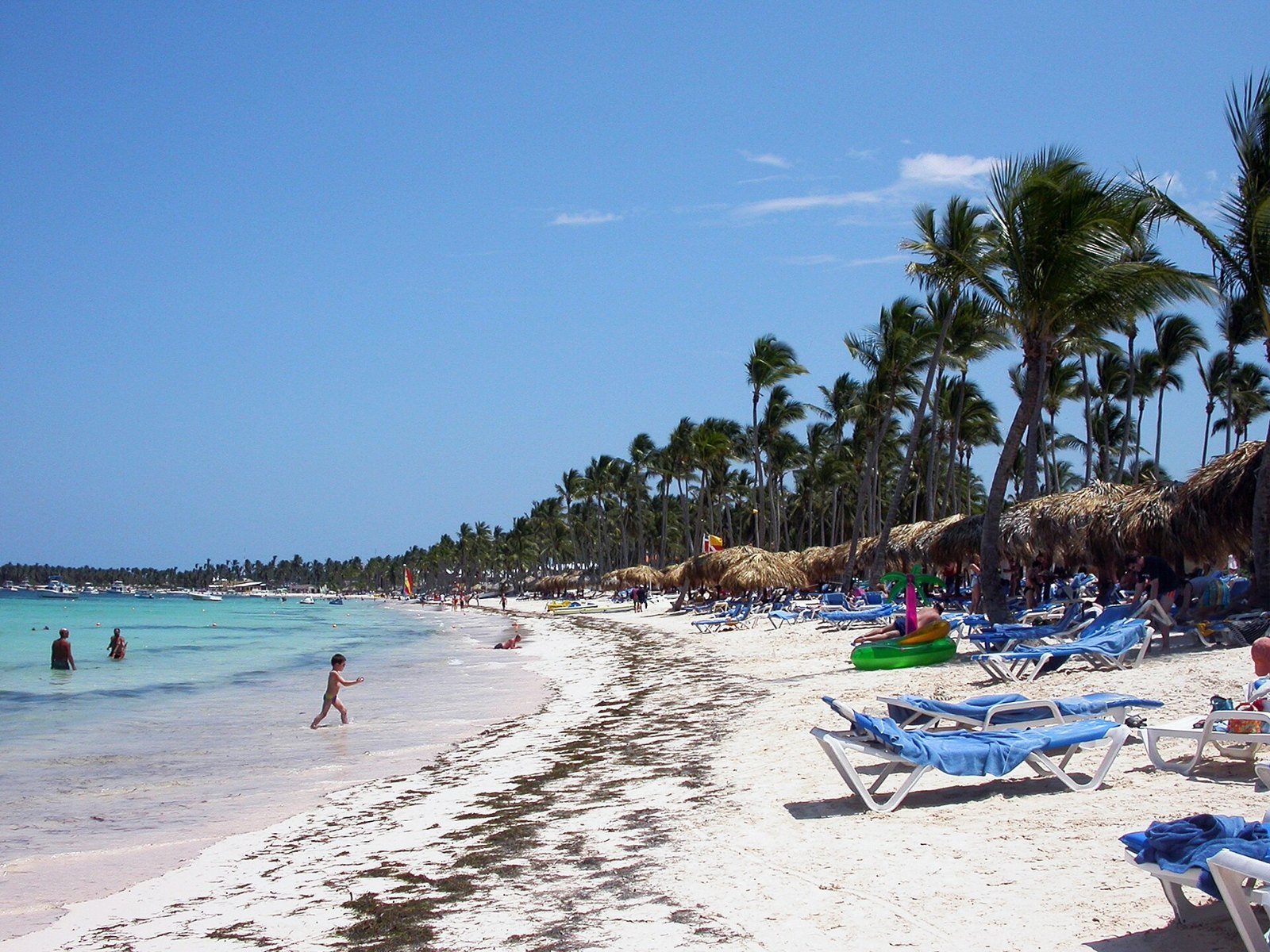
One more seasonal factor is sargassum, the brown seaweed that drifts onto Caribbean beaches. It tends to be heaviest between spring and early autumn and varies a lot from year to year and beach to beach. Large resorts clear their sand daily, and the beaches facing south, such as those in Cap Cana and Bayahibe, are often less affected.
Getting there and getting around
Punta Cana International Airport (PUJ) is one of the busiest airports in the Caribbean, with nonstop flights from many cities in Canada, the United States, Latin America and Europe. Flights take roughly 4 to 4.5 hours from Toronto or New York; travellers from the West Coast usually connect once. The open-air terminals with thatched roofs make a memorable first impression.
The airport sits between the main resort zones. Cap Cana and the Punta Cana area are about 15 to 20 minutes away, Bávaro about 25 to 30 minutes, and Uvero Alto about 45 minutes to an hour. Most all-inclusive packages include a shared transfer; otherwise, pre-book a private transfer or take an official airport taxi. Taxis are not metered, so confirm the fare before you get in. Ride-hailing apps work in parts of the region, but pickups at the airport and at many resorts are restricted, which makes them less useful than at home.
Before you fly, complete the free eTicket, the Dominican Republic’s online entry and exit form, through the official government site. You can fill it in as soon as you have your flight details, and you will need the QR code at check-in and on arrival. Tourists can stay up to 30 days; the US$20 tourist fee is included in most airfares. Your passport should be valid for at least six months.
Getting around once you arrive is simple. Resorts run their own excursions, local taxis wait at every hotel, and cheap local buses (guaguas) run along the main Bávaro and Verón roads. Renting a car is possible, but local driving can be aggressive and many visitors prefer organised day trips.
Where to stay in Punta Cana
“Punta Cana” is used for the whole eastern coast, from Cap Cana in the south to Uvero Alto in the north. Each area has a different feel.
- Bávaro and Arena Gorda: The heart of the resort coast, with the largest choice of all-inclusives on a long, calm beach. Bávaro is also close to shops, restaurants and nightlife, and the small fishing village of El Cortecito. Best for first-timers, families and value.
- Cap Cana: A gated, upscale development south of the airport with a marina, golf courses, Juanillo beach and Scape Park. Best for luxury stays, couples and golfers.
- Punta Cana proper and Los Corales: The area around the original Puntacana Resort and the airport, plus Los Corales, a walkable pocket of condos, boutique hotels and beach bars between Bávaro and the cape. Good if you want restaurants outside your hotel.
- Cabeza de Toro and Cortecito: Quieter beaches between Bávaro and Punta Cana, with mid-size resorts and calm, reef-protected water.
- Uvero Alto and Macao: The wilder north, with big new resorts, rougher surf and fewer outside options. Best if you plan to stay on the property and want space and quiet.
All-inclusive resorts dominate, and for a beach week they are usually the best value once food and drinks are counted. If you prefer to explore, a condo or small hotel in Los Corales or Bávaro puts beach bars, supermarkets and restaurants within walking distance.
Best beaches in Punta Cana
Every beach on this coast is public up to the high-tide line, so you can walk long distances along the sand even if you are staying at a resort.
- Playa Bávaro: The classic Punta Cana postcard, a long curve of soft white sand shaded by coconut palms, with calm water protected by an offshore reef.
- Playa Los Corales: Next to Bávaro, with beach bars, small restaurants and good snorkelling close to shore.
- Playa Juanillo: In Cap Cana, one of the prettiest beaches in the region, with shallow turquoise water and leaning palms.
- Playa Macao: A public beach backed by green hills, popular with locals and surfers, with fresh fried fish shacks.
- Playa Blanca and Cabeza de Toro: Calm, quieter beaches with clear water, good for families and paddleboarding.
Top things to do in Punta Cana
- Swim in Hoyo Azul: A turquoise freshwater cenote at the foot of a limestone cliff inside Scape Park in Cap Cana. A short forest trail leads to it, and the park also has ziplines, caves and a Taíno-themed cultural area.
- Walk the Indigenous Eyes Ecological Reserve: A protected forest near the Puntacana Resort with a dozen freshwater lagoons fed by underground springs, several of them clear enough to swim in.
- Snorkel or dive the reef: The coral reef that protects Bávaro and Los Corales has tropical fish, rays and soft corals within a short boat ride. Catamaran trips usually combine snorkelling with a stop at a shallow natural pool.
- Play golf: Punta Cana has some of the best courses in the Caribbean, including Corales and La Cana at Puntacana Resort and Punta Espada in Cap Cana, several of them with holes right on the ocean.
- Ride horses or a buggy: Dune-buggy and horseback tours head inland through sugar-cane fields and small villages to Macao beach and caves. They are dusty but fun, and they show a side of the country you will not see from a sunbed.
- Learn to kitesurf or surf: Macao has beginner-friendly surf schools, and the steady trade winds from December to April are ideal for kitesurfing lessons.
- Try deep-sea fishing: Boats leave from the Cap Cana marina and Cabeza de Toro for marlin, mahi-mahi and wahoo, especially from spring into summer.
Nature and day trips
Saona Island is the classic day trip. It lies inside Cotubanamá National Park, about an hour by road from Bávaro to Bayahibe, then a speedboat or catamaran ride. There are no hotels, just long, empty beaches, palm forest and a shallow sandbar with starfish (look but do not lift them). Full-day tours usually include lunch and drinks.

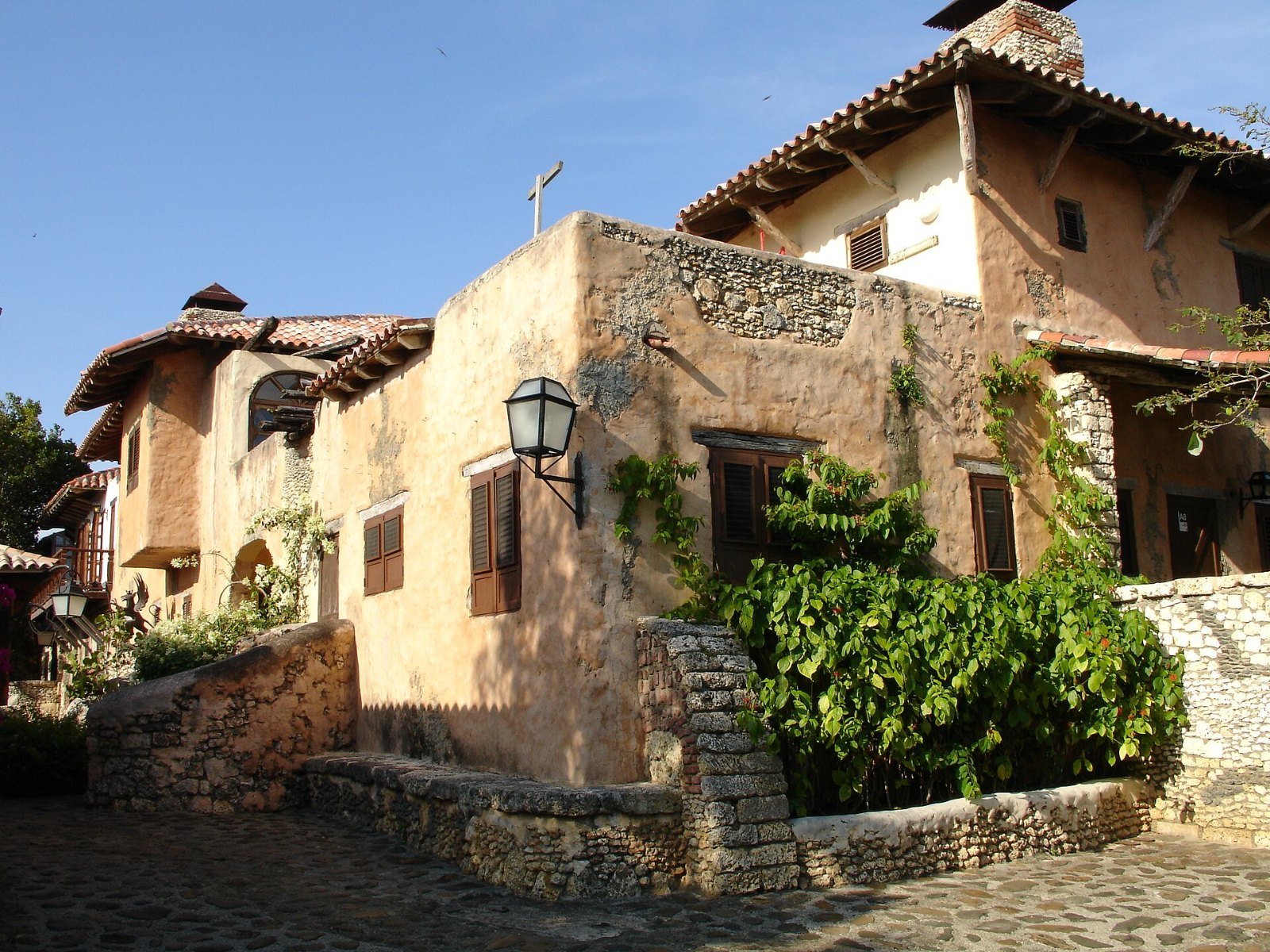
Altos de Chavón, about an hour and a quarter from Bávaro near La Romana, is a recreation of a 16th-century Mediterranean village built in the 1970s and 80s on a cliff above the Chavón River. It has stone lanes, artisan shops, a small archaeology museum, the St. Stanislaus church and a 5,000-seat amphitheatre that hosts concerts.
Santo Domingo, the capital, is about two and a half to three hours away. Its Colonial City (Zona Colonial), a UNESCO World Heritage Site, holds the first cathedral, fortress and paved street built by Europeans in the Americas. It makes a long but rewarding day trip, or a better overnight stop.
Higüey, around 45 minutes inland, is home to the modern Basilica of Our Lady of Altagracia, the country’s most important pilgrimage site, with a striking concrete arch and stained glass.
Montaña Redonda near Miches, about an hour and a half north, is a hilltop with sweeping views over the Laguna Redonda and Laguna Limón, famous for its photo swings. Further north on the Samaná Peninsula, Los Haitises National Park has mangroves, karst islets and caves with Taíno drawings, and from mid-January to late March humpback whales gather in Samaná Bay. Both make very long days from Punta Cana, so look for tours that include a boat crossing or stay overnight.
Shopping
Punta Cana is not a big shopping destination, but there are a few things worth bringing home. Larimar, a sky-blue stone found only in the Dominican Republic, is the signature souvenir; buy it from established jewellers, as fakes are common. Amber, Dominican cigars, local coffee and cacao, rum and mamajuana (rum and wine steeped with bark and herbs) are the other classics.
For malls and brand shops, head to BlueMall Puntacana or Downtown Punta Cana, which also has restaurants, a cinema and nightlife. The Palma Real Shopping Village in Bávaro is a smaller open-air centre. In beach markets, prices start high and bargaining is expected; settle on a price in pesos or dollars before you pay.
Food, nightlife and entertainment
Even if you are staying all-inclusive, try at least one meal at a local spot. The national lunch is la bandera: rice, red beans, stewed meat and salad. Other favourites are sancocho (a hearty meat and root-vegetable stew), mangú (mashed green plantain with onions, often at breakfast), crispy tostones, and fresh fish cooked in coconut sauce (pescado con coco). Wash it down with an ice-cold Presidente beer, a fresh passion-fruit juice (chinola) or a Dominican rum.
The fish shacks at El Cortecito and Macao beach, the beach bars in Los Corales and the restaurants around the Cap Cana marina are easy places to start. Many resorts also have à la carte restaurants that are worth booking early in the day.
Nightlife centres on Bávaro and Downtown Punta Cana, where Coco Bongo runs a late-night show-and-dance club with acrobats and live music. Smaller bars play merengue and bachata, the two Dominican rhythms you will hear everywhere; many resorts offer free dance lessons, and they are worth trying before a night out.
Annual events
- Day of Our Lady of Altagracia (January 21): A national holiday when thousands of pilgrims travel to the basilica in Higüey.
- Carnival (every weekend in February): Towns across the country hold colourful parades with masked devils (diablos cojuelos), building up to Independence Day on February 27 and a large closing parade in Santo Domingo in early March.
- Easter week (Semana Santa): A busy holiday for Dominican families, when public beaches fill up and some businesses close on Good Friday.
- Corales Puntacana Championship: A PGA TOUR event on the cliffside Corales course; its dates move from year to year, and in 2026 it was played in mid-July.
- Restoration Day (August 16): A national holiday marking the restoration of independence in 1863.
3-day and 7-day itineraries
3 days
Day 1: Settle in and spend the day on the beach. Walk along the sand from Bávaro towards El Cortecito in the late afternoon, then watch the sunset from a beach bar in Los Corales.
Day 2: Take a morning catamaran with snorkelling on the reef and a natural pool stop. In the afternoon, visit the Indigenous Eyes Ecological Reserve for a swim in a freshwater lagoon. Dinner at a seafood restaurant at the Cap Cana marina.
Day 3: Head to Scape Park for Hoyo Azul and a zipline, then spend the afternoon at Playa Juanillo. Finish with a final dinner and a merengue lesson at your resort.
7 days
Days 1 to 3: Follow the 3-day plan above at a slower pace, with a lazy beach day in between.
Day 4: Full-day trip to Saona Island, with lunch on the beach and a stop at the starfish sandbar.
Day 5: Rest day: spa, pool and beach, or try kitesurfing or stand-up paddleboarding.
Day 6: Visit Altos de Chavón in the morning and the basilica in Higüey on the way back, or take a buggy tour through the countryside to Macao beach.
Day 7: A last morning on the sand, a little souvenir shopping for larimar, coffee or cacao, and an early dinner before your flight home.
Do’s and don’ts
Do
- Complete the free eTicket entry form before you fly and keep the QR code handy.
- Drink bottled or filtered water; resorts provide it, but tap water is not safe to drink.
- Use reef-safe sunscreen and reapply often; the sun is strong even on cloudy days.
- Agree on taxi fares before the ride and carry small US dollar bills or pesos.
- Tip for good service; small tips for housekeeping, bartenders and guides are appreciated even at all-inclusives.
- Learn a few words of Spanish: “hola”, “por favor” and “gracias” go a long way.
Don’t
- Don’t lift starfish out of the water on Saona or in natural pools.
- Don’t buy larimar or cigars from street sellers without checking the quality first.
- Don’t swim where red flags are flying, especially on the open beaches of Macao and Uvero Alto.
- Don’t leave valuables unattended on the beach or in a rental car.
- Don’t book a hurricane-season trip without flexible or refundable terms.
- Don’t stay inside the resort all week; even one trip outside shows you the real country.
Punta Cana FAQ
When is the best time to go to Punta Cana?
December to April is the driest and sunniest period, but also the busiest and most expensive. Early December, mid-January and late April usually offer the best mix of good weather and lower prices.
Do I need a visa for Punta Cana?
Citizens of Canada, the United States, the United Kingdom and the European Union do not need a visa for tourist stays of up to 30 days. Everyone must complete the free eTicket online form, and the tourist fee is normally included in the airfare.
Is Punta Cana safe for tourists?
The resort areas of Punta Cana are generally considered safe, and millions of visitors travel there every year. Use normal precautions: take licensed taxis or pre-booked transfers, keep valuables out of sight, and check your government’s latest travel advice before you go.
Can you drink the water in Punta Cana?
No. Drink bottled or purified water. Resorts use purified water for drinks and ice, so these are fine.
What currency is used in Punta Cana?
The official currency is the Dominican peso (DOP). US dollars are widely accepted in tourist areas, and credit cards work at resorts and larger shops, but carry some small bills for tips, taxis and markets.
Is all-inclusive the best option in Punta Cana?
For most beach holidays, yes: food and drinks outside the resorts can add up, and many resorts are far from restaurants. If you want to explore, eat out and meet locals, a condo or hotel in Los Corales or Bávaro is a good alternative.
How many days do you need in Punta Cana?
Five to seven nights is the sweet spot: enough time to relax on the beach and still fit in Saona Island and one or two other excursions.
Planning a trip to Punta Cana?
We track flight, hotel and package prices and only post deals that beat the usual price. See what’s live right now.
See Punta Cana deals