
Updated November 2026 · About a 12-minute read
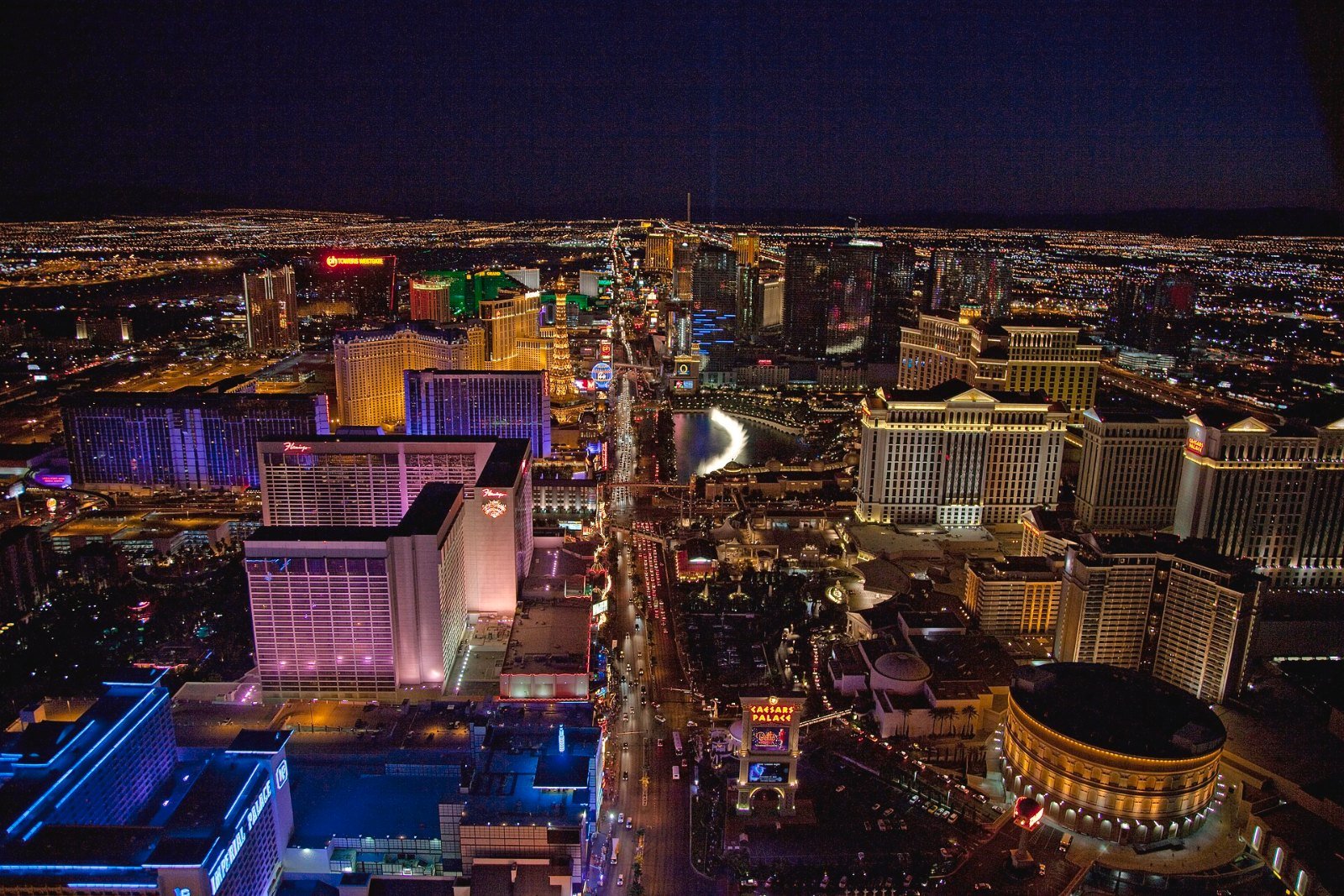
Las Vegas is a desert city built around one famous road. The Strip packs giant resorts, free street shows, big-name concerts and some of the best restaurants in the United States into about 6.8 km, while downtown keeps the older casinos and a growing arts scene. Red rock canyons, Hoover Dam and Lake Mead are all within an hour’s drive. This guide covers when to go, how to get around, where to stay, the main areas, things to do, day trips, shopping, food, events and two ready-made itineraries.
Best time to visit
Spring (March to May) and fall (late September to November) are the most comfortable months. Days are warm and sunny, nights are mild, and it is pleasant to walk the Strip or hike in the desert. These are also busy months, so weekend hotel prices can be high.
Summer is very hot. From June to August daytime highs often pass 40°C (104°F), and the heat lasts into the evening. It is fine if you plan to stay around pools and indoors, but hiking in the middle of the day is unsafe. Winter (December to February) is cool and dry, with days around 14 to 16°C and cold nights that can drop near freezing. Snow falls on Mount Charleston, 45 minutes from the city.
Prices in Las Vegas follow events more than seasons. A big convention can double hotel rates for a week, while the same rooms are cheap a few days later. Sunday to Thursday nights are almost always cheaper than Friday and Saturday.
Getting there and getting around
Harry Reid International Airport (LAS) is only a few kilometres from the south end of the Strip, so most hotels are a 10 to 20 minute ride away. There are nonstop flights from most major cities in North America and a growing list of long-haul routes. Taxis wait outside baggage claim and charge set zone fares to the Strip; rideshare pick-up is in the parking garages. Public buses also link the airport with the Strip and downtown.
Many travellers from Southern California drive. Los Angeles is about four hours away on Interstate 15 without traffic, but Friday afternoons heading east and Sunday afternoons heading west can add hours.
On the Strip itself you walk a lot. The resorts look close together, but each one is huge and the distance from one end to the other is several kilometres, so wear comfortable shoes. Other options:
- The Las Vegas Monorail runs behind the east side of the Strip, from the SAHARA to the MGM Grand, with stops at several resorts and the Convention Center.
- The Deuce double-decker bus runs along the Strip and to downtown, 24 hours a day.
- Free trams connect some neighbouring resorts, such as Mandalay Bay, Luxor and Excalibur.
- Taxis and rideshare are easy to find, but hotel pick-up points are often far from the entrance.
Rent a car only for the days you leave the city. Most Strip hotels charge for parking, and you do not need a car to get between the casinos.
Where to stay
Where you stay shapes the trip, because the walking distances are long.
Center Strip (around Bellagio, Caesars Palace, Paris and The Venetian) is the best base for a first visit. You can walk to the fountains, the big shopping centres and many restaurants, and it is the busiest part of the city day and night.
South Strip (MGM Grand, Mandalay Bay, Luxor, the Cosmopolitan and Aria area) is close to the airport and T-Mobile Arena. It has large pool complexes and is popular for concerts and sports weekends.
North Strip (Resorts World, Fontainebleau, Wynn and Encore, the SAHARA) is quieter, with some of the newest and most upscale hotels, but you will take a taxi or the monorail to reach the center.
Downtown (Fremont Street) has cheaper rooms, lower table minimums and a more casual, old-Vegas feel. It suits travellers on a budget and repeat visitors.
Off-Strip resorts in Summerlin and Henderson are calmer and closer to Red Rock Canyon and Lake Mead, a good fit for golfers, hikers and families.
Most Strip hotels add a mandatory nightly resort fee on top of the room rate, and many charge for parking. Always compare the full price with fees included, not the headline nightly rate.
Top areas
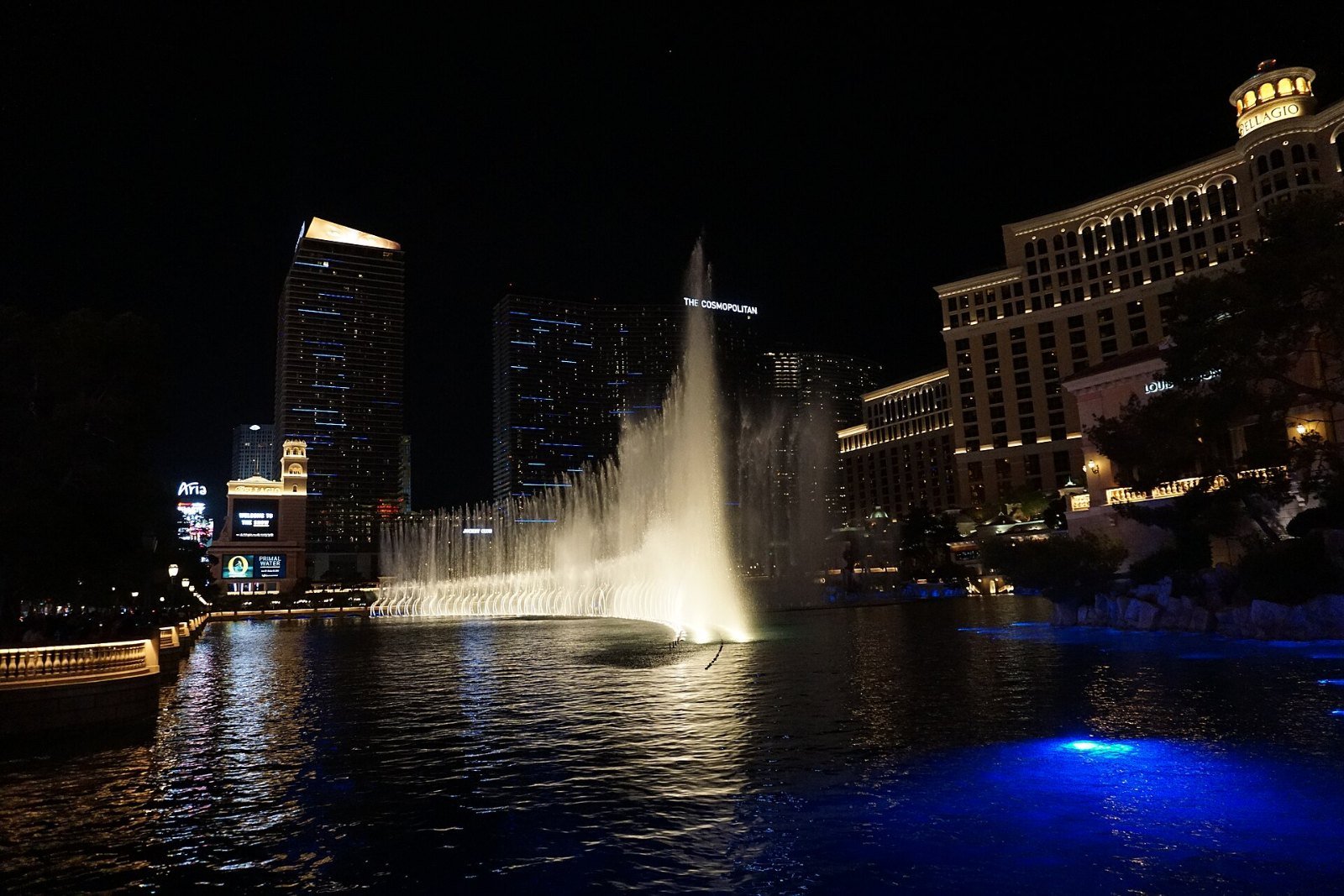
The Strip. Las Vegas Boulevard South is the main event. Walk it at least once after dark, when the hotel facades and signs are lit. Many of the best sights are free: the Bellagio fountains, the Bellagio Conservatory, the canals inside The Venetian and the lobby art and displays in many resorts.
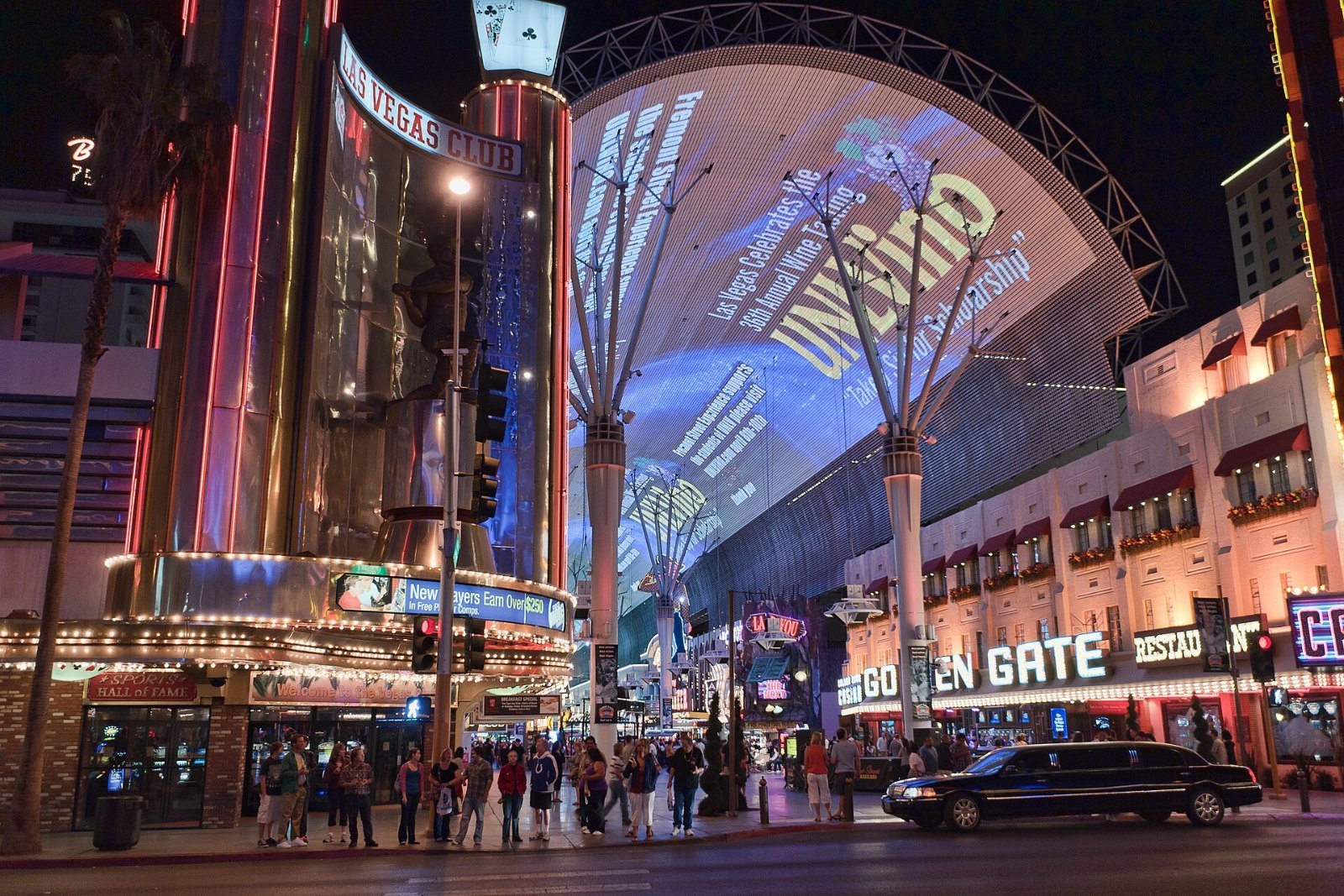
Downtown and Fremont Street. This is where Las Vegas started. A pedestrian street is covered by a long LED canopy with light shows at night, live music stages and zip lines overhead. A few blocks east, the Fremont East district has bars, cafes and street art.
The Arts District. Just south of downtown, this area of galleries, vintage shops, breweries and small restaurants is busiest on the first Friday of each month, when it hosts an evening street event.
Chinatown. Spring Mountain Road, west of the Strip, has a long stretch of Asian restaurants, bakeries and late-night food. Locals eat here, and prices are lower than in the resorts.
Things to do
- Watch the Fountains of Bellagio. The water shows are free and run every half hour in the afternoon and every 15 minutes in the evening.
- See a show. Las Vegas has several long-running Cirque du Soleil productions, magic and comedy shows, and residencies by big music acts. Book popular shows in advance, especially on weekends.
- Visit the Sphere. The giant spherical venue east of The Venetian shows films and hosts concerts on a wraparound interior screen, and its outside surface is lit with changing images at night.
- Ride the High Roller. The observation wheel at The LINQ is about 167 m tall, and a full turn takes around 30 minutes. Go at sunset.
- Learn some history. The Mob Museum downtown covers organized crime and law enforcement, and the Neon Museum displays old casino signs in its outdoor “boneyard.” Evening tours show the signs lit up.
- Spend a day at the pool. Most big resorts have large pool areas, and some run adults-only day clubs from spring to early fall.
- Try the casino floors, even briefly. Set a budget in cash before you start, and treat it as the price of entertainment.
Nature and day trips
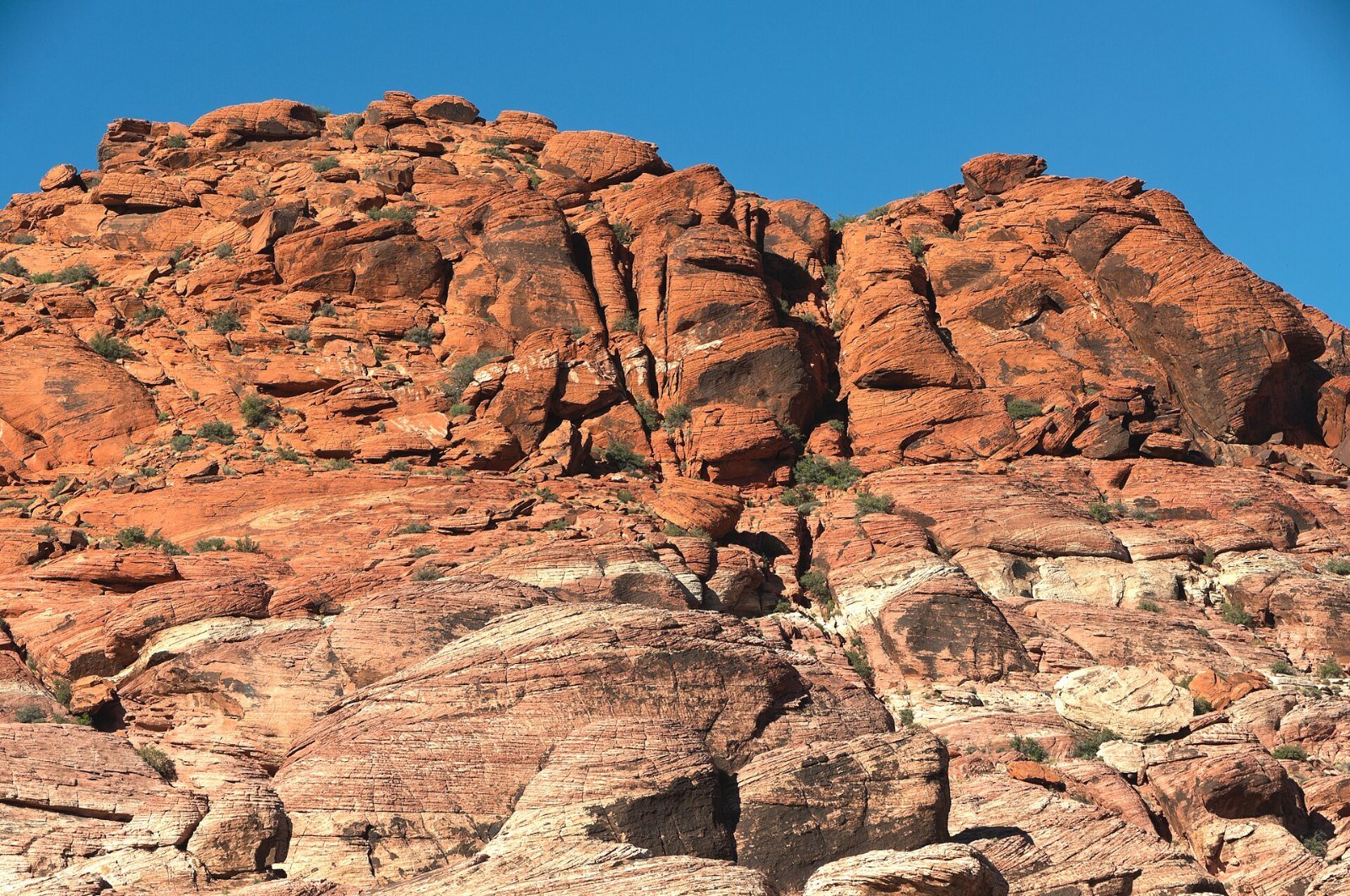
Red Rock Canyon National Conservation Area is about 30 minutes west of the Strip. A one-way scenic drive of about 21 km (13 miles) passes red and cream sandstone cliffs, with trailheads for short walks and longer hikes. Calico Tanks and Ice Box Canyon are popular hikes. For much of the year, typically from fall to spring, you need a timed-entry reservation for the scenic drive, so book it online before you go.
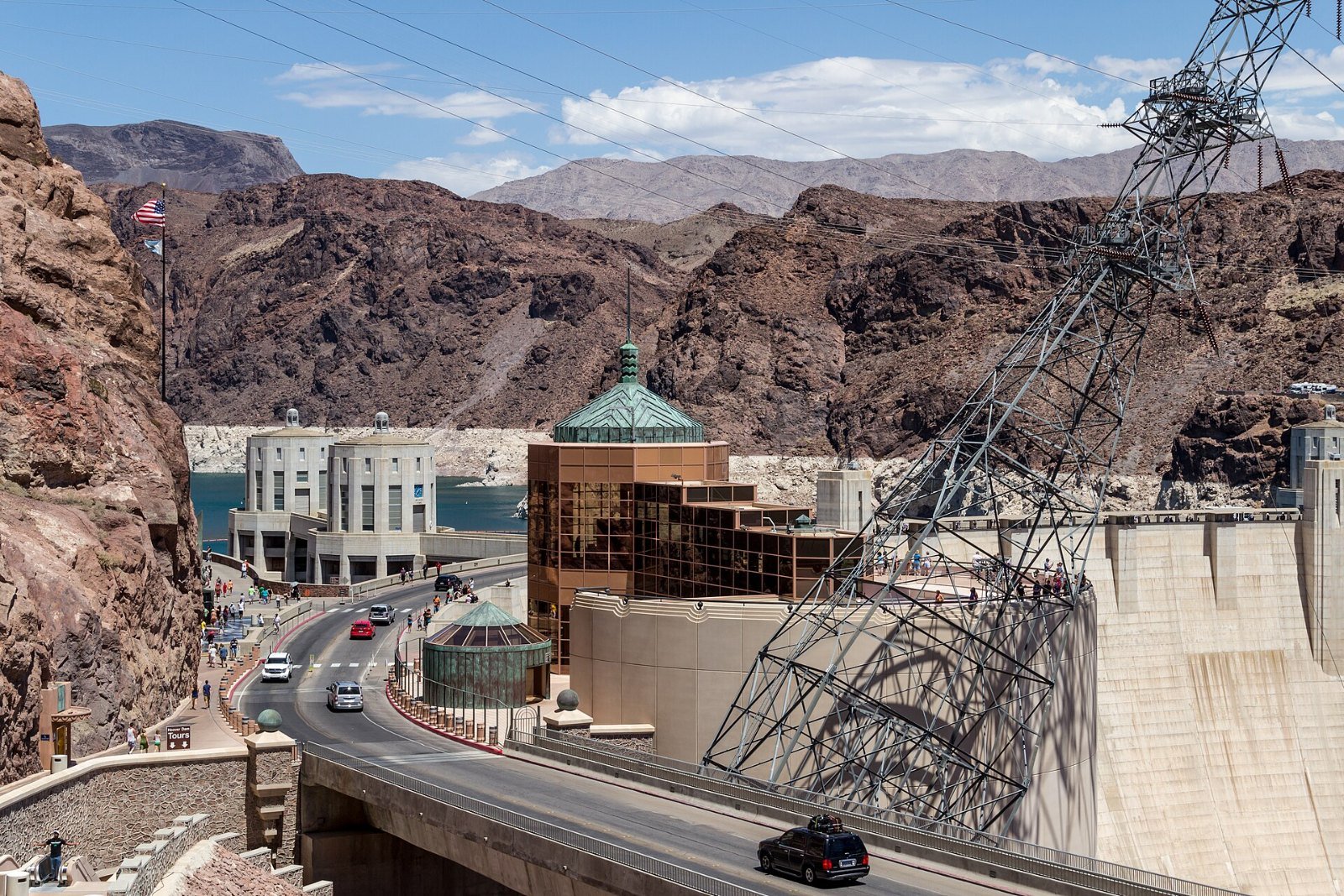
Hoover Dam and Lake Mead are about 45 minutes southeast. You can walk across the top of the dam, take a guided tour inside, and see the dam from above on the Mike O’Callaghan-Pat Tillman Memorial Bridge. Lake Mead National Recreation Area has scenic drives, boating and the Historic Railroad Trail, which runs through old tunnels.
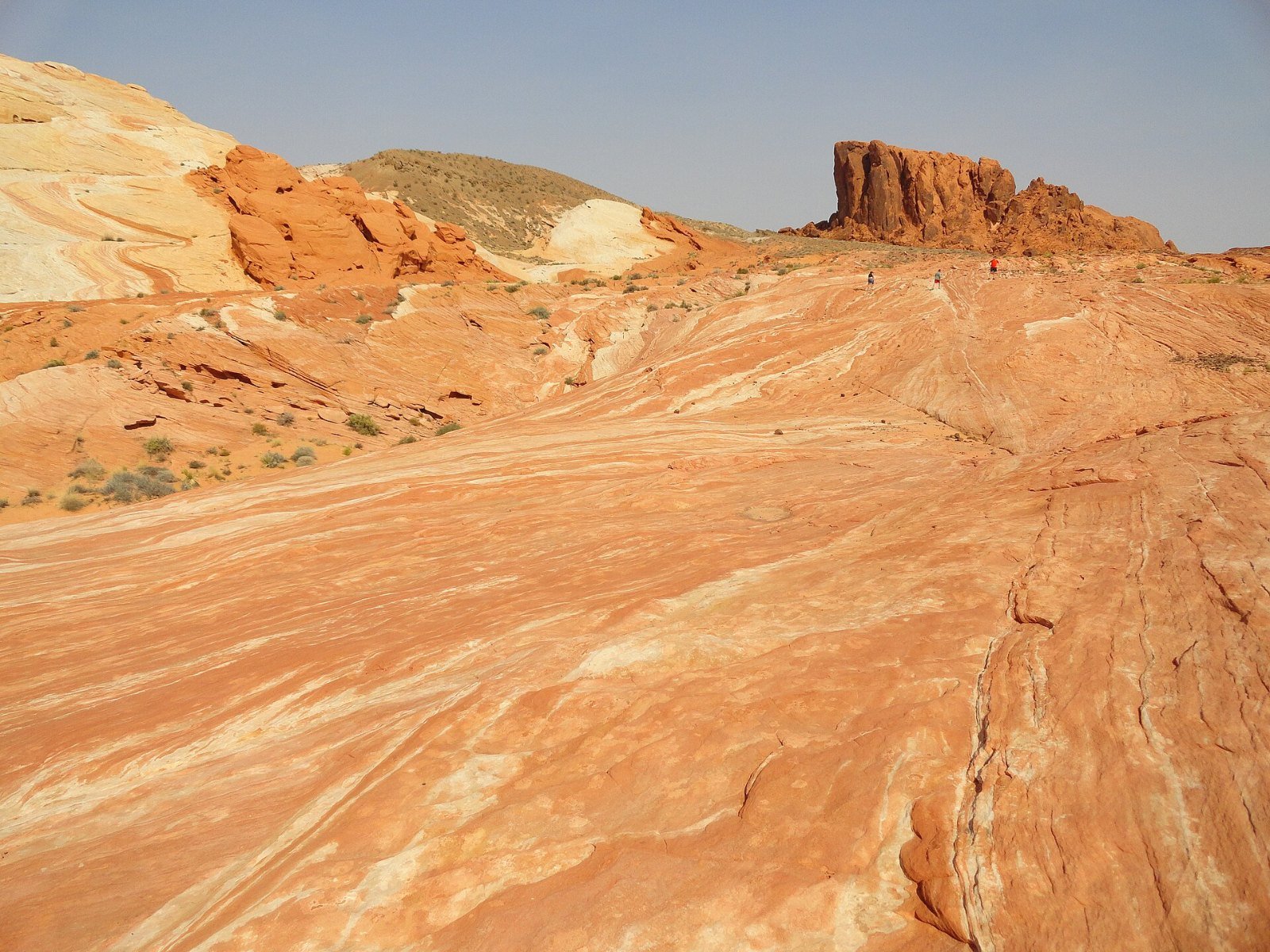
Valley of Fire State Park, Nevada’s oldest state park, is about an hour northeast. Bright red sandstone, petroglyphs at Atlatl Rock and the striped rock of the Fire Wave trail make it one of the best short trips from the city. Go early in the day and carry plenty of water.
Seven Magic Mountains is a desert art installation of stacked, brightly painted boulders south of the city, an easy stop on the way to or from Southern California.
The Grand Canyon is a long day trip. Grand Canyon West, with the glass Skywalk, is about two and a half hours away by road. The South Rim, the main national park area, is closer to four and a half hours each way, so many visitors fly over by small plane or helicopter instead. Death Valley and Mount Charleston are other good choices, the first for dramatic desert scenery in the cooler months and the second for pine forests, summer hiking and winter snow.
Shopping
The big shopping centres are part of the resorts. The Forum Shops at Caesars Palace and the Grand Canal Shoppes at The Venetian mix luxury brands with chain stores, and the Fashion Show mall across from Wynn is one of the largest malls in the city. Crystals, next to Aria, has high-end designer boutiques. For discounts, Las Vegas North Premium Outlets near downtown and Las Vegas South Premium Outlets south of the Strip have hundreds of brand outlets. Nevada charges sales tax, and it is added at the till.
Food, nightlife and shows
Las Vegas is one of the best restaurant cities in the United States. Many famous chefs have restaurants in the resorts, from steakhouses to French and Japanese dining. Reserve for dinner, especially on weekends. Buffets are a Vegas tradition, and a few resorts still run large ones, though they cost more than they used to. For good value, head off the Strip: Chinatown on Spring Mountain Road, the Arts District and the neighbourhoods around Henderson and Summerlin.
Nightlife runs late. The Strip has big nightclubs with resident DJs and dress codes, plus lounges and cocktail bars inside most resorts. Downtown and Fremont East are more relaxed and cheaper. Many visitors build a trip around one or two shows, from Cirque du Soleil to comedy, magic, headline concerts and the shows at the Sphere.
Big annual events
- National Finals Rodeo: the top rodeo championship in the United States runs December 3 to 12, 2026, at the Thomas & Mack Center, with country music events around the city.
- New Year’s Eve: the Strip closes to cars and fireworks are set off from several resorts at midnight. It is one of the most expensive nights of the year for hotels.
- CES: the large technology trade show takes place January 6 to 9, 2027. It is for the industry and not open to the public, but it fills hotels and pushes prices up across the city.
- Electric Daisy Carnival: the huge electronic music festival moves to two weekends in 2027, May 14 to 16 and May 21 to 23, at the Las Vegas Motor Speedway.
- Las Vegas Grand Prix: the Formula 1 night race on and around the Strip is usually held in November. Roads close for the event, and hotel prices rise sharply.
Major boxing and UFC fights, big concerts and Las Vegas Raiders home games at Allegiant Stadium also push weekend prices up. If your dates are flexible, check the event calendar first.
3-day and 7-day itineraries
3 days
Day 1, center Strip: walk from Caesars Palace to Bellagio, see the Conservatory and the fountains, have a late lunch, rest at the pool, then go to a show and watch the fountains again after dark.
Day 2, nature and downtown: drive the Red Rock Canyon scenic drive in the morning and take a short hike. In the evening, visit the Neon Museum, then walk Fremont Street and Fremont East.
Day 3, views and food: visit the Mob Museum or the Arts District, ride the High Roller at sunset, and finish with dinner at one of the Strip’s chef-run restaurants.
7 days
Days 1 to 3: follow the 3-day plan.
Day 4, Hoover Dam and Lake Mead: tour the dam, walk onto the bypass bridge, then hike the Historic Railroad Trail.
Day 5, pool and shopping: slow day at the hotel pool or a spa, then the Forum Shops and the Grand Canal Shoppes, and a show or concert at night.
Day 6, Valley of Fire: leave early, hike the Fire Wave and see the petroglyphs at Atlatl Rock, and stop at Seven Magic Mountains another day if you are driving south.
Day 7, Grand Canyon or easy last day: take a full-day trip to Grand Canyon West, or keep it simple with Chinatown for lunch and the Sphere in the evening.
Do’s and don’ts
Do
- Compare hotel prices with resort fees and parking included.
- Drink water all day, even in winter. The air is very dry.
- Book Red Rock Canyon timed entry and popular shows ahead.
- Carry ID. The legal age for drinking and gambling is 21.
- Set a gambling budget in cash and stick to it.
- Check the convention and event calendar before you book.
Don’t
- Hike in the middle of a summer day.
- Assume two resorts are close because they look close.
- Accept “free show” or timeshare offers on the street.
- Leave valuables on a pool lounger or casino chair.
- Forget to tip: it is expected for bartenders, servers, valets and housekeeping.
- Drive after drinking. Rideshare and taxis are easy to find.
Las Vegas FAQ
When is the best time to visit Las Vegas?
March to May and late September to November have the most comfortable weather. Mid-week stays are cheaper than weekends, and prices jump during big conventions and events.
How many days do you need in Las Vegas?
Three days is enough for the Strip, downtown, a show and one short trip such as Red Rock Canyon. With five to seven days you can add Hoover Dam, Valley of Fire and the Grand Canyon.
Do you need a car in Las Vegas?
Not for the Strip or downtown, where you can walk, take the monorail, the Deuce bus, taxis or rideshare. A rental car is worth it for day trips to Red Rock Canyon, Valley of Fire or Hoover Dam.
What is a resort fee?
Most Strip hotels add a mandatory daily fee on top of the room rate. It is charged per night, so check the total price with fees and taxes before you book.
Is Las Vegas good for people who don’t gamble?
Yes. Shows, restaurants, pools, museums, shopping and the desert parks nearby keep most visitors busy without ever sitting at a table.
How far is the airport from the Strip?
Harry Reid International Airport is a few kilometres from the south end of the Strip, usually a 10 to 20 minute ride by taxi or rideshare.
Planning a trip to Las Vegas?
We track flight, hotel and package prices and only post deals that beat the usual price. See what’s live right now.
See Las Vegas deals