Updated November 2026 · About a 12-minute read
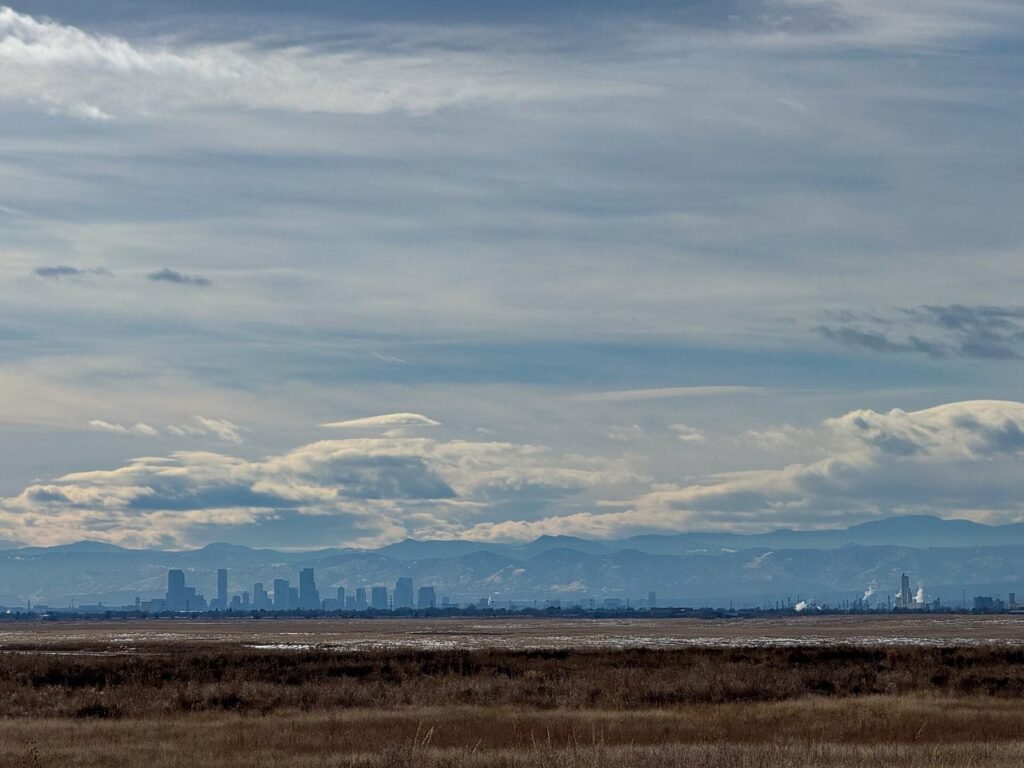
Denver sits exactly one mile above sea level, with the Front Range of the Rocky Mountains filling the western horizon. It works as a city break (museums, food halls, breweries, pro sports, a big concert scene) and as a base for mountain trips: Red Rocks is half an hour away, Boulder about 45 minutes, and the ski resorts along I-70 are 1.5 to 2.5 hours west. This guide covers when to go, how to get around, where to stay, the best areas, things to do, day trips, food and nightlife, annual events, sample itineraries and the mistakes first-time visitors make.

Best time to visit Denver
Denver is a year-round destination, and the right month depends on what you want to do.
June to August is peak season. Days are warm to hot (highs often in the high 80s °F, around 30 °C), evenings cool off quickly because the air is dry, and short thunderstorms often roll in during the afternoon. This is the season for Red Rocks concerts, hiking, Rocky Mountain National Park and baseball at Coors Field.
September and early October are many locals’ favourite weeks. Summer crowds are gone, and the aspen trees in the mountains turn gold, usually from mid-September to early October depending on elevation.
December to March is ski season. The city itself gets snow, but it rarely lingers for long because of the strong sun, so winter days in town are often cold, bright and dry. The mountains get far more snow than Denver does. March is usually Denver’s snowiest month, and a single spring storm can drop a lot of snow before it melts a day or two later.
April, May and November are shoulder months with lower hotel prices and changeable weather. You can see sunshine, rain and snow in the same week, so pack layers.
Getting there and getting around
By air: Denver International Airport (DEN) is one of the busiest airports in the United States, with nonstop flights across North America and to Europe, Mexico and beyond. It sits about 25 miles northeast of downtown.
Airport train: The RTD A Line runs between the airport and Denver Union Station downtown in about 37 minutes. Trains leave every 15 minutes for most of the day and every 30 minutes early and late, and the fare is US$10 each way. It is usually faster and much cheaper than a taxi, especially at rush hour.
Getting around the city: Downtown, LoDo, Larimer Square and the Ballpark area are easy to walk. The free MallRide bus runs along 16th Street between Union Station and Civic Center, and RTD light rail and buses cover the wider metro area. Rideshare is easy to find.
Do you need a car? Not for a city-only trip. Parking downtown is expensive and the main sights are close together. Rent a car for the days you plan to go into the mountains, to Rocky Mountain National Park or to Colorado Springs. In winter, check the car’s tires and the road conditions before driving I-70, and expect heavy ski traffic on weekend mornings and Sunday afternoons.
Where to stay in Denver
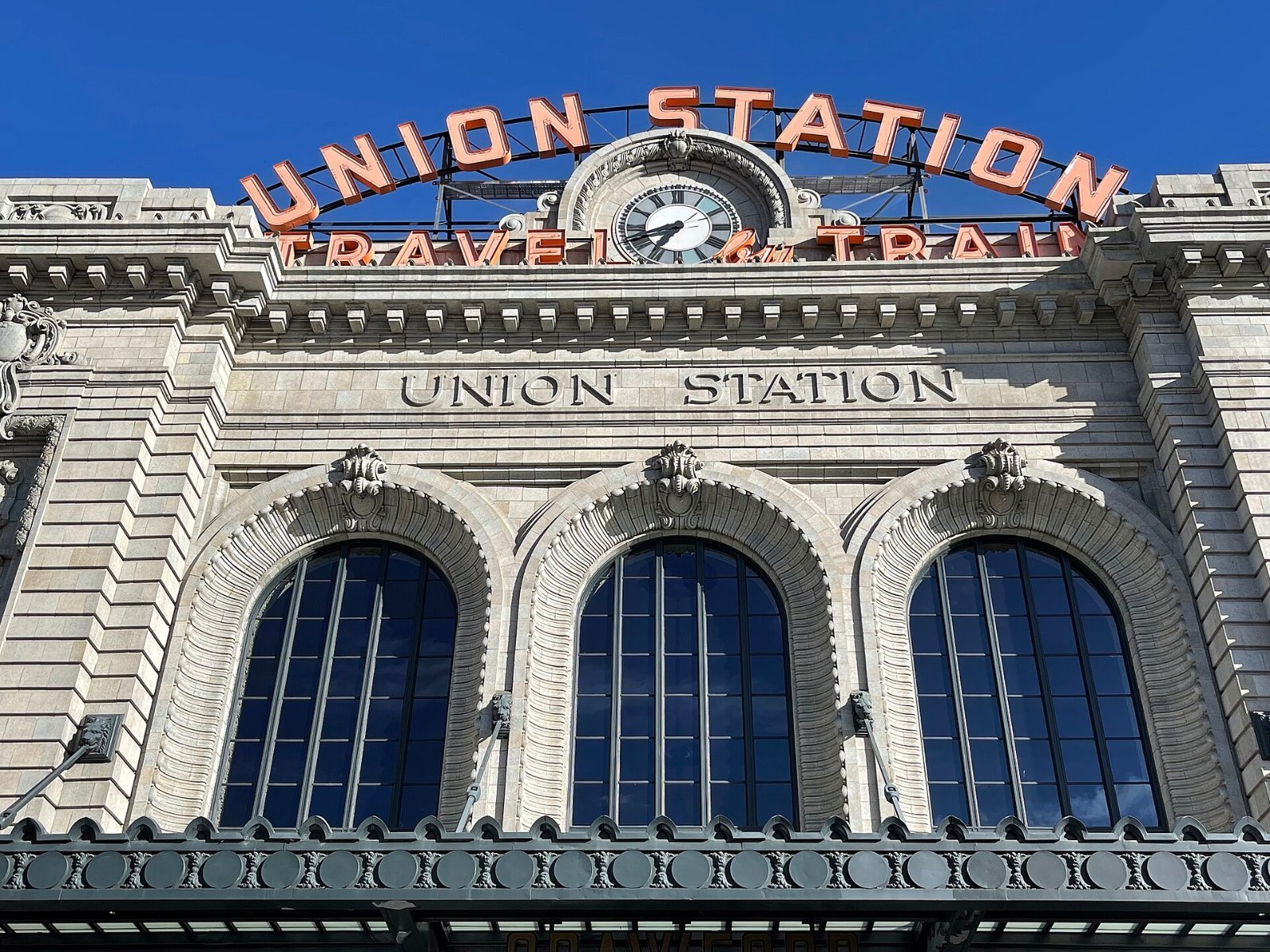
LoDo and Union Station are the best choice for a first visit. You are next to the airport train, walking distance from Larimer Square, Coors Field and dozens of restaurants, and the restored Union Station building has its own hotel, bars and cafés.
Downtown and the Central Business District have the largest selection of big hotels, often with lower weekend prices because they rely on business travel during the week.
RiNo (River North Art District) suits travellers who want breweries, street art, live music and food halls. It is a short ride from downtown and has several newer design hotels.
Cherry Creek is the upscale option, with boutique hotels, galleries, shopping and quieter streets about 10 to 15 minutes from downtown by car.
LoHi and the Highlands, across the river from downtown, have short-term rentals, small hotels and a strong restaurant scene with skyline views.
Top neighbourhoods to explore
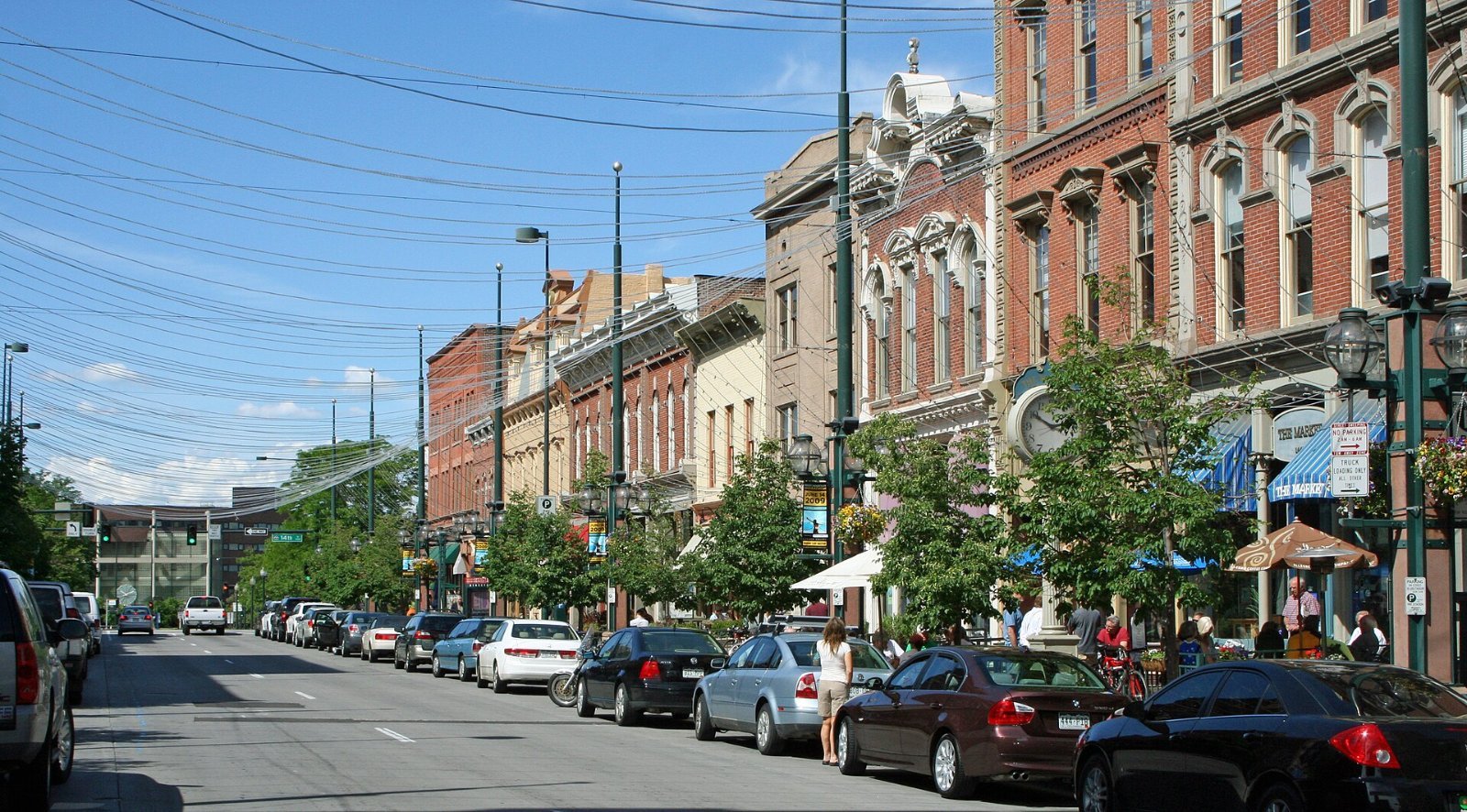
LoDo (Lower Downtown) is the historic warehouse district around Union Station and Coors Field. Its red-brick buildings now hold restaurants, rooftop bars and shops. The Dairy Block, a small alley packed with bars and shops between Wazee and Blake streets, is a good stop.
Larimer Square is the city’s oldest block, a line of restored Victorian buildings with restaurants and boutiques. It looks its best at night, when strings of lights stretch across the street.
RiNo is the best place for murals, galleries, breweries and live music. Walk Larimer Street between about 25th and 35th streets and the side streets around them.
The Golden Triangle, just south of Civic Center Park, is the museum district, home to the Denver Art Museum, the Clyfford Still Museum and History Colorado Center.
South Broadway is known for vintage stores, record shops, dive bars and small music venues.
Capitol Hill has grand old mansions, including the Molly Brown House Museum, plus busy bars along Colfax Avenue.
Top things to do in Denver
- Stand one mile high on the steps of the Colorado State Capitol. One step on the west side is marked as exactly 5,280 feet above sea level, and the view looks straight toward the mountains.
- Denver Art Museum: a large collection that includes Indigenous arts of North America, Western American art and changing major exhibitions, in a striking building in the Golden Triangle.
- Clyfford Still Museum: a museum devoted to a single abstract expressionist painter.
- Denver Museum of Nature & Science in City Park, with dinosaur halls, a planetarium and an IMAX theatre. The view of the downtown skyline and the mountains from the museum’s steps is one of the best in the city.
- Denver Botanic Gardens on York Street, with themed gardens, a tropical conservatory and plants from high-altitude regions around the world. In winter, the evening light show Blossoms of Light is a popular holiday tradition.
- Meow Wolf Convergence Station: a huge, walk-through immersive art installation near Empower Field. Plan two to three hours.
- Union Station: even if you are not catching a train, the restored 1914 Great Hall is a nice place for a coffee or a drink.
- The Denver Mint: free guided tours of the coin factory are offered, but they need a reservation and book up early. Check the U.S. Mint website before your trip.
- A game: the Rockies play baseball at Coors Field from spring to early autumn, the Nuggets (basketball) and Avalanche (hockey) play at Ball Arena, and the Broncos play football at Empower Field at Mile High.
- City parks: Washington Park is good for a long walk or run, and Confluence Park, where Cherry Creek meets the South Platte River, has trails that connect to miles of urban paths.
Nature and day trips from Denver
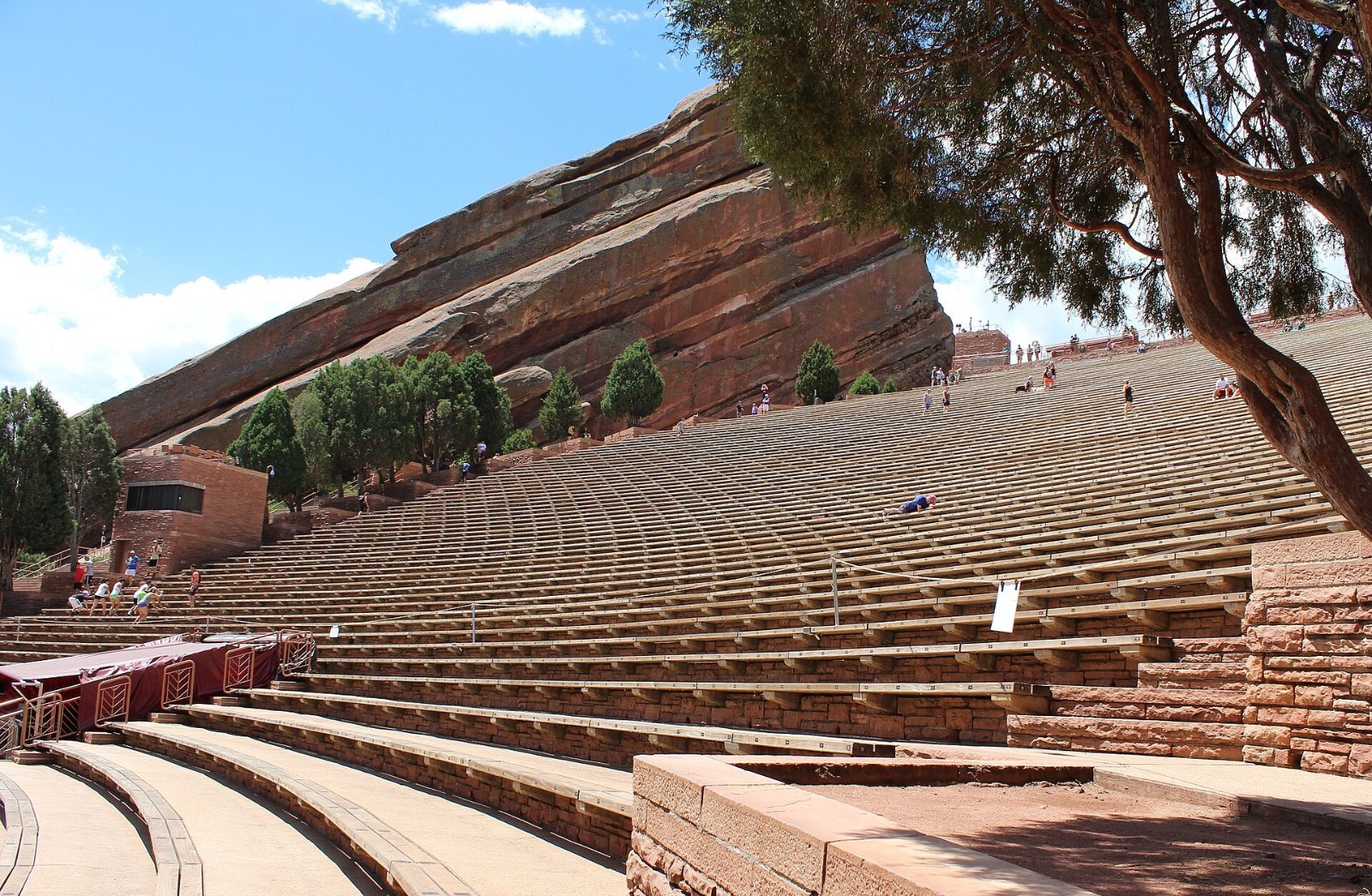
Red Rocks Park and Amphitheatre (about 15 miles west): a concert venue built into giant red sandstone rocks. On days without shows, the amphitheatre and park are open for walking, and the trails around it are short and scenic.
Golden (about 15 miles west): a small Western town at the foot of the mountains with a walkable main street, Clear Creek, the Colorado Railroad Museum and a drive up Lookout Mountain.
Boulder (about 30 miles northwest): walk the pedestrian Pearl Street Mall, then hike from Chautauqua Park toward the Flatirons rock formations.
Rocky Mountain National Park (about 70 miles northwest, via Estes Park): alpine lakes, elk, and Trail Ridge Road, which crosses the Continental Divide in summer. The park has used a timed-entry reservation system in its busy season, so check the National Park Service website before you go. Trail Ridge Road closes for the winter, usually from mid-October to late May.
Mount Blue Sky (formerly Mount Evans): one of the highest paved roads in North America climbs to just over 14,000 feet. It is open only in summer and early autumn and needs a reservation.
Georgetown (about 45 miles west): a preserved silver-mining town with the Georgetown Loop Railroad, a historic narrow-gauge train ride in season.
Colorado Springs (about 70 miles south): Garden of the Gods, a free park with tall red rock formations, and Pikes Peak, which you can reach by car or by cog railway.
Ski resorts: Winter Park, Loveland, Arapahoe Basin, Keystone, Breckenridge, Copper Mountain and Vail are all within roughly 1.5 to 2.5 hours of Denver by road. In winter the Winter Park Express train runs from Union Station to the base of Winter Park on selected days, which avoids I-70 traffic altogether.
Shopping in Denver
Cherry Creek Shopping Center and the streets of Cherry Creek North next to it have the city’s biggest mix of department stores, designer brands and independent boutiques.
Larimer Square and LoDo have fashion and outdoor-gear stores. Rockmount Ranch Wear on Wazee Street is a family-run Western-wear shop known for snap-button shirts, and it makes a good souvenir stop.
Tattered Cover is Denver’s well-known independent bookstore, with several locations.
South Broadway is the place for vintage clothing, records and antiques.
Food, nightlife and entertainment
What to eat: Colorado green chile is the local signature, a pork-and-chile stew served in a bowl or poured over burritos (ask for it “smothered”). Also try bison burgers, Colorado lamb, Rocky Mountain trout, and the Denver omelette with ham, peppers and onions. Adventurous eaters can order Rocky Mountain oysters, which are not seafood.
Food halls: Denver Central Market in RiNo, Avanti F&B in LoHi and the counters inside Union Station are easy places to try several kitchens in one stop.
Beer: Denver has one of the biggest craft beer scenes in the United States, with well over 100 breweries in the metro area. RiNo has many of them within walking distance of each other.
Live music: beyond Red Rocks, check the lineups at the Mission Ballroom, the Ogden Theatre, the Bluebird Theater and Dazzle, a jazz club downtown.
Theatre and comedy: the Denver Performing Arts Complex downtown is one of the largest in the country, with Broadway tours, the symphony, opera and ballet. Comedy Works in Larimer Square is a long-running comedy club.
A note on altitude: at 5,280 feet, alcohol tends to hit faster than at sea level. Drink plenty of water, especially on your first day.
Big annual events in Denver
- National Western Stock Show (January): a rodeo, livestock show and Western trade fair held for about two weeks each January at the National Western Center.
- Denver PrideFest (June): one of the largest Pride events in the region, usually held in Civic Center Park.
- Cherry Creek Arts Festival (early July): a large outdoor juried art show in Cherry Creek North, normally held over the Fourth of July weekend.
- Great American Beer Festival (autumn): one of the largest beer festivals in the United States. The 2026 edition was held October 10 to 11 at Levitt Pavilion; check the Brewers Association website for future dates.
- Blossoms of Light (late November to early January): the Denver Botanic Gardens lit up for the holidays, with timed tickets.
- Parade of Lights (early December): a nighttime holiday parade with illuminated floats through downtown, usually on the first weekend of December.
- Denver Christkindl Market (late November to December): a German-style holiday market with food, mulled wine and crafts.
Sample Denver itineraries
3 days in Denver
- Day 1, LoDo and downtown: arrive on the A Line at Union Station. Walk to Larimer Square and the Dairy Block, then take the MallRide to Civic Center and climb the State Capitol steps for the mile-high marker. Spend the afternoon at the Denver Art Museum or the Clyfford Still Museum, and finish with dinner and drinks in LoDo.
- Day 2, Red Rocks and Golden: drive or take a tour to Red Rocks in the morning and walk the trails around the amphitheatre. Have lunch in Golden and stroll along Clear Creek. In the evening, explore RiNo’s murals, breweries and Denver Central Market.
- Day 3, parks and museums: visit the Denver Museum of Nature & Science and City Park in the morning, then the Denver Botanic Gardens. Shop in Cherry Creek in the afternoon and catch a show or a game at night.
7 days in Denver and the Rockies
- Days 1 to 3: follow the 3-day plan above.
- Day 4, Boulder: hike from Chautauqua Park toward the Flatirons, then spend the afternoon on Pearl Street.
- Day 5, Rocky Mountain National Park: drive to Estes Park early and spend the day on the park’s lakes and trails (in summer, drive Trail Ridge Road). In winter, swap this for a ski day at Winter Park, ideally by train, or at Loveland or Arapahoe Basin.
- Day 6, Colorado Springs: visit Garden of the Gods in the morning and go up Pikes Peak by car or cog railway.
- Day 7, Georgetown or a slow day in the city: ride the Georgetown Loop Railroad in season, or spend your last day at Meow Wolf, Washington Park and a final dinner in LoHi.
Denver do’s and don’ts
Do
- Drink more water than usual for the first couple of days. The air is dry and thin, and mild altitude symptoms such as headaches are common.
- Use strong sunscreen and sunglasses all year. The sun is more intense at altitude, even in winter.
- Dress in layers and check the forecast for the exact place you are going, since the mountains can be 15 to 20 °F colder than the city.
- Book Red Rocks concert tickets, Denver Mint tours and Rocky Mountain National Park reservations well in advance.
- Start mountain hikes early in summer to avoid afternoon lightning storms.
Don’t
- Don’t underestimate I-70. Weekend ski traffic and winter storms can turn a 90-minute drive into four hours.
- Don’t drive into the mountains in winter without suitable tires; Colorado has traction rules that apply on I-70 during storms.
- Don’t use cannabis in public. Recreational cannabis is legal for adults 21 and over, but consuming it in public places, in national parks or in a car is illegal, and you cannot take it out of the state or onto a plane.
- Don’t feed or approach wildlife, including elk in Rocky Mountain National Park.
- Don’t plan a hard hike on your first day if you live near sea level. Give your body a day to adjust.
Denver FAQ
How many days do you need in Denver?
Three days covers the city, Red Rocks and a few museums. With five to seven days you can add Boulder, Rocky Mountain National Park or a ski day, and Colorado Springs.
Do I need a car in Denver?
No, not for the city. The A Line, light rail, the free MallRide and rideshare cover the central areas. A car is useful for mountain day trips, Rocky Mountain National Park and Colorado Springs.
Will the altitude affect me?
Most visitors feel only mild effects in Denver itself, such as tiredness, a headache or getting out of breath faster. Drinking water, limiting alcohol on the first day and taking it easy usually helps. Symptoms can be stronger at higher elevations in the mountains.
Is Denver a good winter destination?
Yes. City days are often sunny and the snow in town usually melts quickly, while the ski resorts are a few hours away. December brings holiday lights, markets and the Parade of Lights.
How far are the ski resorts from Denver?
The closest major areas, such as Loveland, Arapahoe Basin and Winter Park, are about 1.5 hours away in normal traffic. Breckenridge and Vail take about 2 to 2.5 hours. Weekend traffic can add a lot of time.
Is cannabis legal for visitors in Denver?
Adults 21 and over with valid ID can buy recreational cannabis from licensed stores. It can only be used in private places where it is allowed, never in public, in vehicles or on federal land such as national parks, and it cannot be taken out of Colorado.
What is the best month to visit Denver?
September is a strong all-round choice, with sunny weather, fewer crowds and autumn colour in the mountains. Choose June to August for concerts and hiking, and December to March for skiing.
Planning a trip to Denver?
We track flight, hotel and package prices and only post deals that beat the usual price. See what’s live right now.
See Denver deals