Updated November 2026 · About a 12-minute read
Rome packs nearly three thousand years of history into a city you can cross on foot in an afternoon. You can see the Colosseum before breakfast, eat cacio e pepe in Trastevere at lunch and watch the light go gold over St. Peter’s from the Gianicolo hill. This guide covers when to go, how to get around, which neighbourhood to stay in, what to see, the best day trips and two ready-made itineraries.
Best time to visit Rome
Rome has a Mediterranean climate: hot, dry summers and mild, wetter winters. There is no bad month to visit, but crowds and prices swing a lot through the year.
April to June is the classic choice. Days are warm, the parks are green and evenings are long enough for dinner outside. It is also the busiest stretch outside summer, especially around Easter, so book hotels and the big sights early.
July and August are hot, with afternoon highs often above 30°C. Many Romans leave the city in mid-August around the Ferragosto holiday on August 15, and some family-run restaurants close for a week or two. Plan sightseeing for the morning and evening and rest in the middle of the day.
September and October bring warm days, thinner crowds than June and the start of the new olive oil and wine season. Late October can be rainy.
November to March is the quiet season. Days are cool but often sunny, queues at the Vatican and the Colosseum are shorter, and hotel prices drop. The exceptions are Christmas, New Year and Easter week, when the city fills up with pilgrims and holidaymakers.
Getting there and getting around
Most international flights land at Fiumicino (FCO), about 30 km west of the centre. The Leonardo Express train runs non-stop to Termini station in about 32 minutes, every 15 minutes, for €14 one way. Regular city transport tickets are not valid on it. Slower regional trains also run from the airport to Trastevere, Ostiense and Tiburtina stations. Taxis to the centre charge a fixed fare set by the city; check the current rate posted at the rank before you get in.
Ciampino (CIA), about 15 km southeast, handles mostly low-cost and charter flights. Shuttle buses run to Termini, and city buses connect to Ciampino train station and to the Anagnina stop on Metro line A.
From elsewhere in Italy, high-speed trains reach Termini from Florence in about an hour and a half and from Naples in a little over an hour.
Getting around: the historic centre is best on foot. Distances are short, but the cobblestones are hard on thin soles, so bring comfortable shoes. Rome has three metro lines (A, B and C), plus buses and trams run by ATAC. A standard BIT ticket costs €1.50 and is valid for 100 minutes, including one metro ride. You can also tap a contactless bank card or phone at metro gates and on buses and trams instead of buying a paper ticket. Metro line C now reaches Colosseo, which makes the east of the city easier to reach.
Driving in central Rome is not worth it. Most of the centre is a limited traffic zone (ZTL) with camera-enforced fines, and parking is scarce. Rent a car only for day trips, and pick it up on your way out of the city.
Where to stay in Rome
Centro Storico (the area around the Pantheon, Piazza Navona and Campo de’ Fiori) puts you within walking distance of almost everything. It is the most expensive area and can be noisy at night, but you will rarely need public transport.
Trevi and Piazza Venezia sit between the old centre and the ancient sites. From here the Trevi Fountain, the Pantheon and the Roman Forum are all a short walk away.
Monti, just north of the Colosseum, is a hilly grid of wine bars, vintage shops and small trattorias. It feels local and is close to the Forum and to Termini.
Trastevere, across the Tiber, has ivy-covered lanes, busy piazzas and some of the city’s best-loved restaurants. It is lively until late, which suits some travellers more than others.
Prati, next to the Vatican, is calm and elegant, with wide streets, good shopping and easy metro access on line A. It is a smart base for a first visit with children.
Termini and Esquilino offer the most rooms for the money and the best transport links. The streets right around the station are less pleasant at night, so look at hotels a few blocks away.
Every hotel adds a city tax per person per night, for up to 10 nights, paid at the property. It depends on the category: about €6 for 3-star hotels, €7.50 for 4-star and €10 for 5-star. Children up to age 10 are exempt.
Beaches near Rome
Rome is not a beach city, but the coast is close. Lido di Ostia is the nearest, reached by the Roma-Lido train from Porta San Paolo station next to Piramide (Metro B). Much of the sand is taken by paid beach clubs with umbrellas and loungers; the free beaches are further south toward Castel Porziano.
Fregene, north of the airport, is known for its relaxed beach restaurants and sunset aperitivo. Santa Marinella, about an hour north by regional train, has a small sheltered bay and a medieval castle. For clearer water, Sperlonga, a whitewashed hilltop village about two hours south, is one of the most beautiful beach towns in Lazio and works best as an overnight trip.
Top things to do in Rome
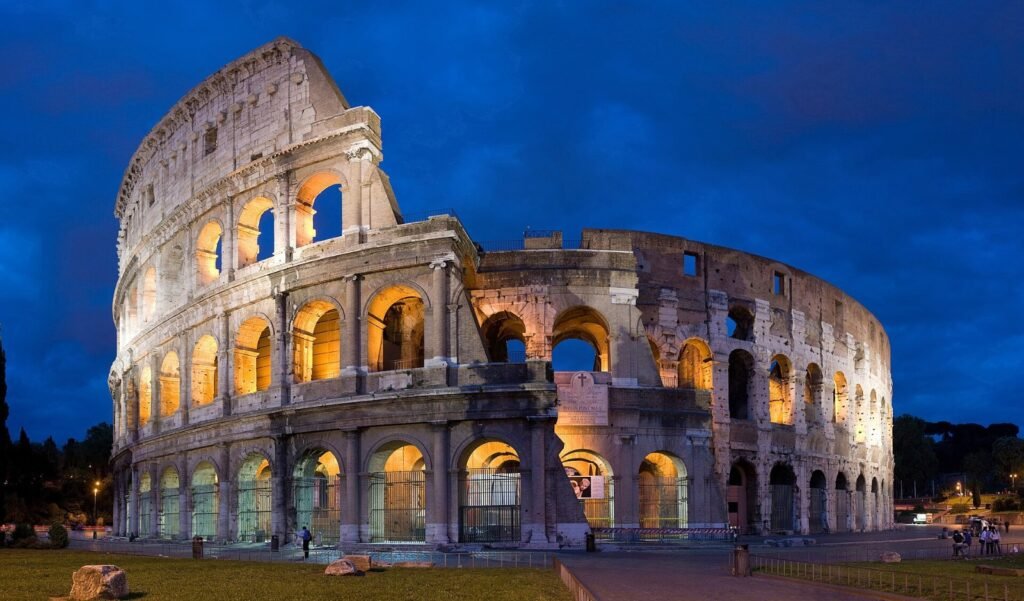
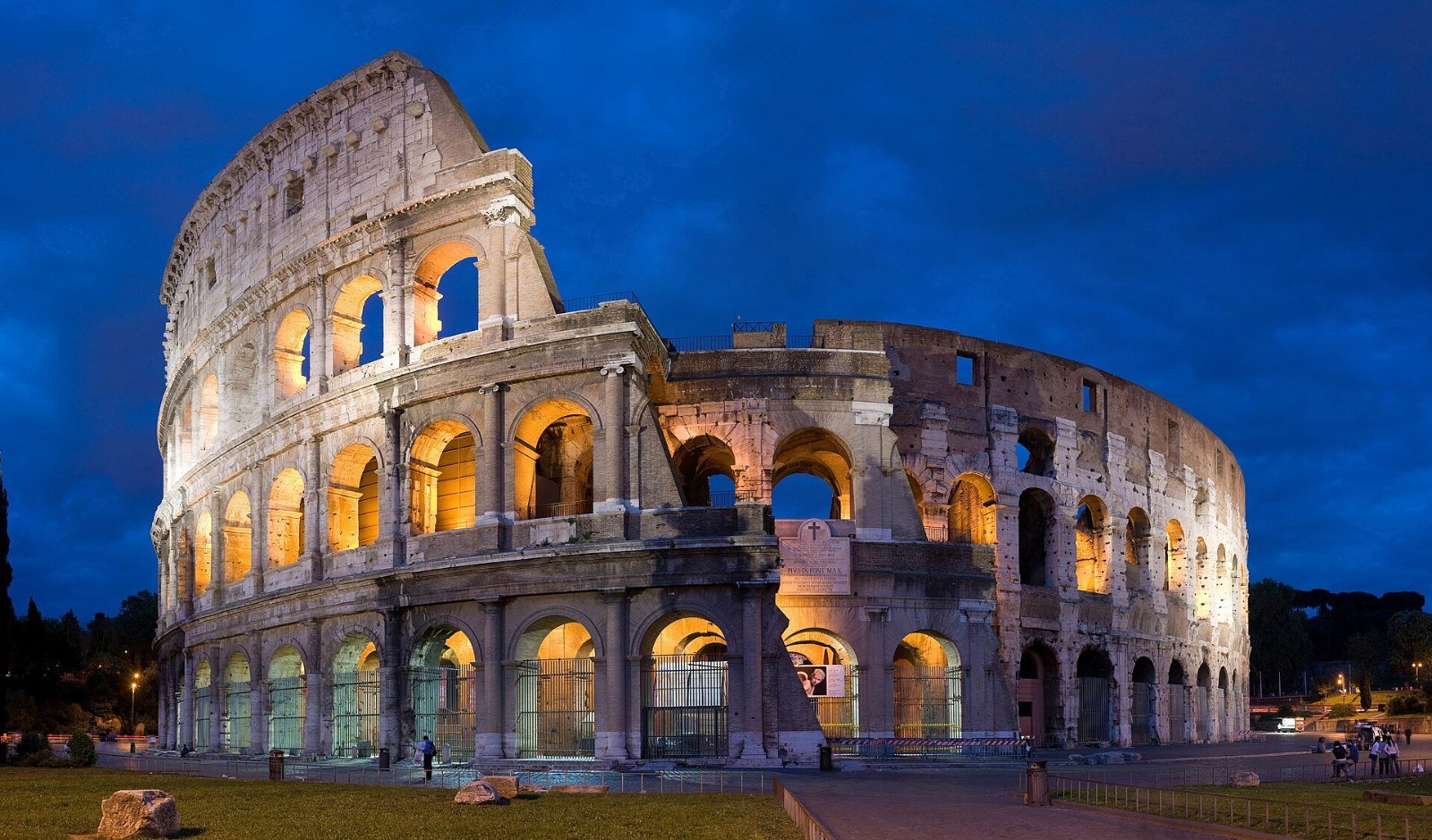
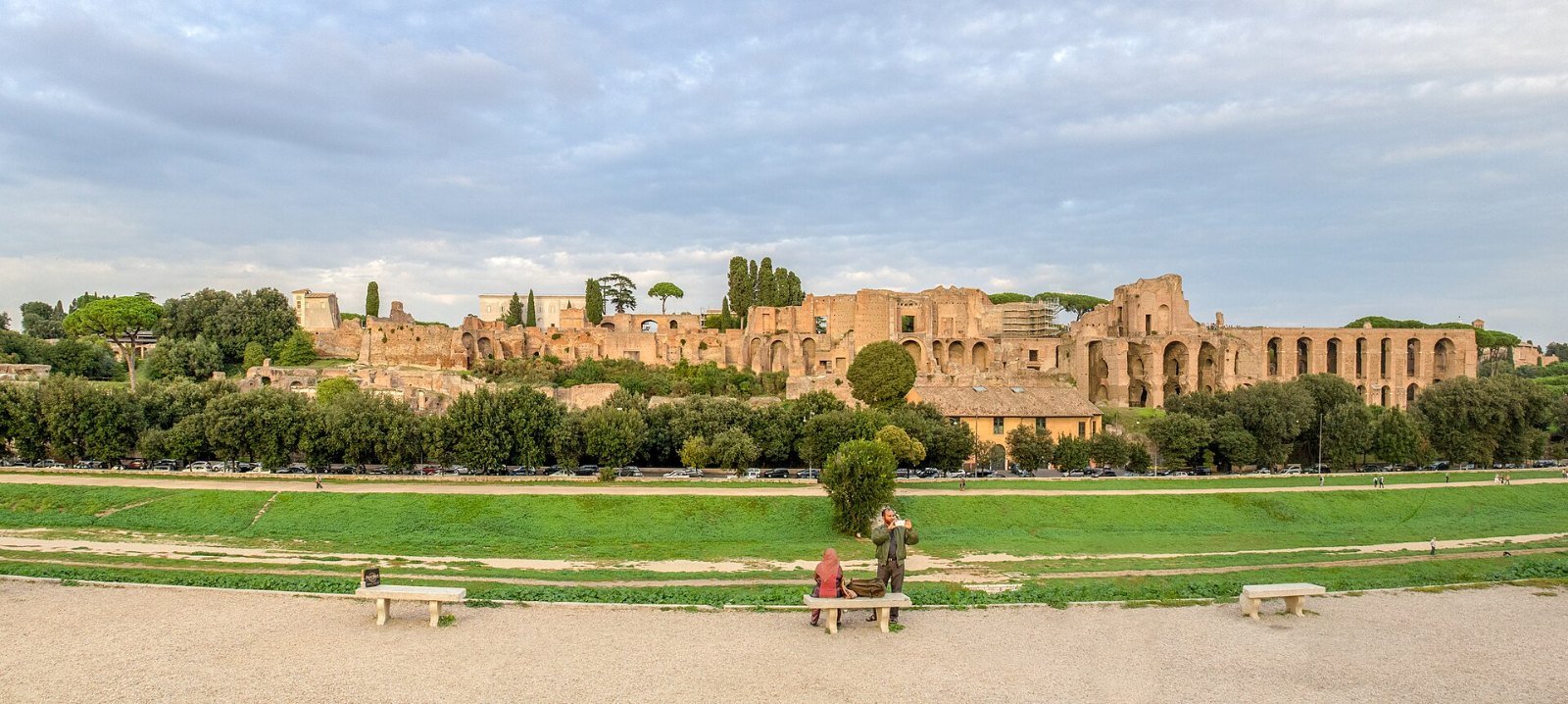
The Colosseum, Roman Forum and Palatine Hill. The standard 24-hour ticket costs €18 and includes one entry to the Colosseum’s first and second levels and one entry to the Forum and Palatine. Tickets carry your name and ID is checked, so buy them on the official site rather than from street sellers. Tours of the underground and arena floor sell out weeks ahead in busy months. Entry is free on the first Sunday of each month, which also means very long lines.
The Pantheon. Built under Emperor Hadrian almost 1,900 years ago, it still has the largest unreinforced concrete dome in the world. Entry costs €7 (€2 for ages 18 to 25, free for under-18s), and it is open daily from 9:00 to 19:00.
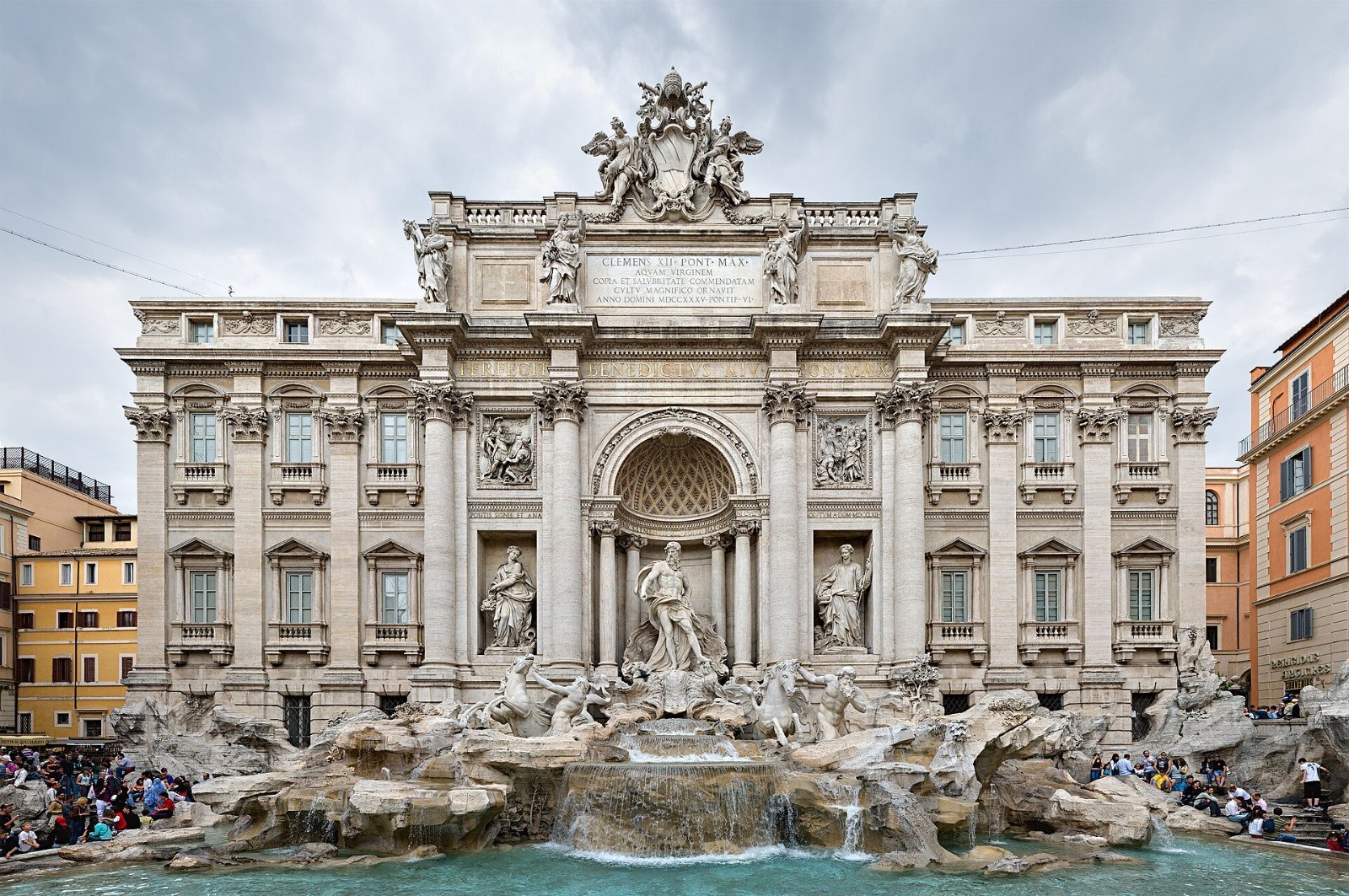
The Trevi Fountain. Since February 2026, entering the area right next to the basin costs €2, from 9:00 to 22:00. You can still see the fountain from the square around it for free. Throwing a coin over your left shoulder is said to guarantee a return to Rome; the money is collected for charity.
The Vatican. The Vatican Museums, which end in the Sistine Chapel, are open Monday to Saturday. A full ticket costs €20 at the door or €25 booked online, and booking ahead saves hours in line. Entry is free on the last Sunday of the month, when the museums open only in the morning. St. Peter’s Basilica is free to enter. Climb to the dome for the best view over the city, and dress with covered shoulders and knees.
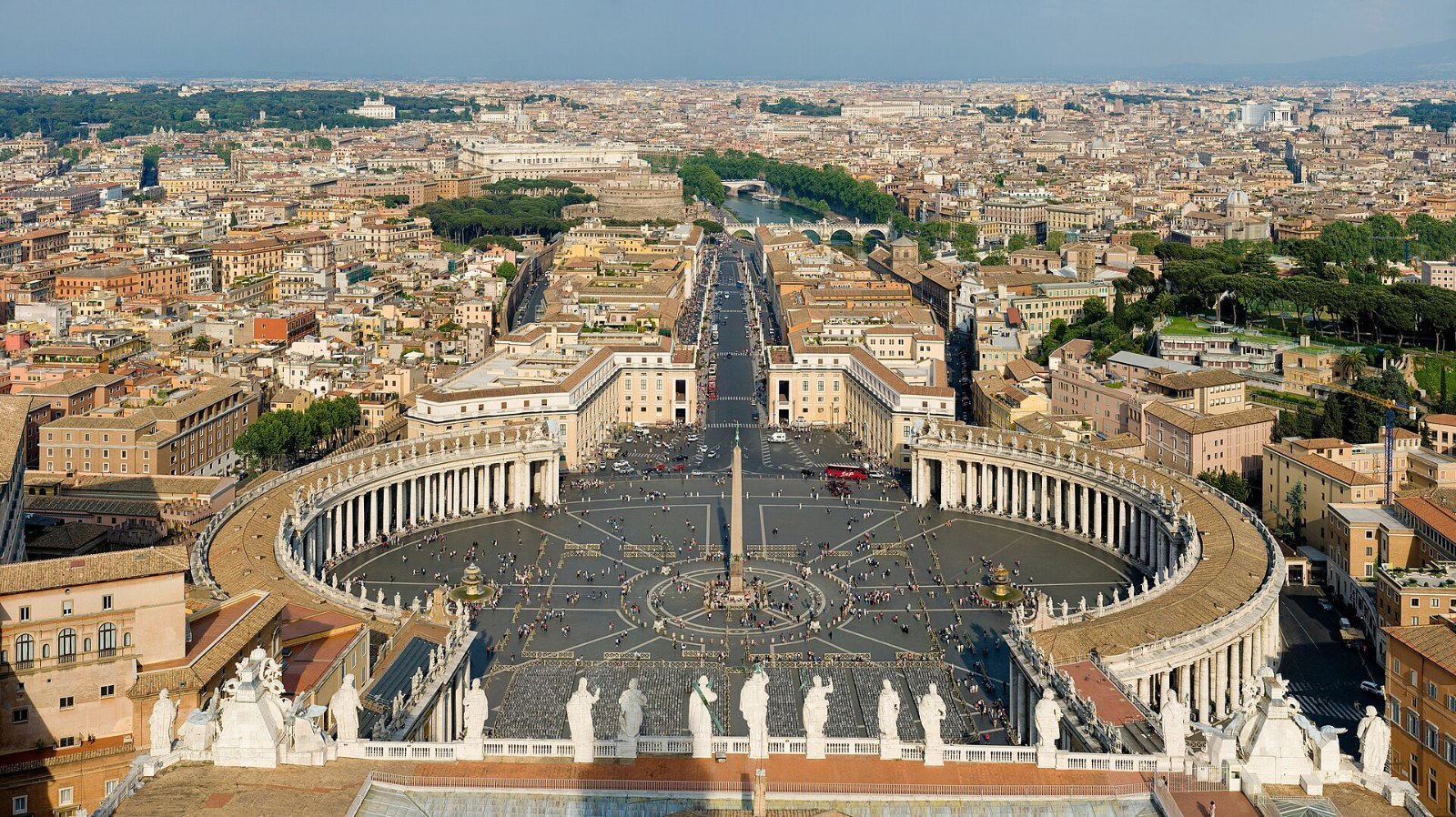
Piazza Navona and Campo de’ Fiori. Piazza Navona follows the shape of an ancient stadium and is lined with Baroque fountains, including Bernini’s Fountain of the Four Rivers. Nearby Campo de’ Fiori hosts a morning market from Monday to Saturday.
Villa Borghese and the Borghese Gallery. The city’s best-known park has a lake, gardens and a view over Piazza del Popolo from the Pincio terrace. The Borghese Gallery inside holds sculptures by Bernini and paintings by Caravaggio, and entry is by timed reservation only.
Viewpoints. Walk up the Gianicolo hill from Trastevere at sunset, peek through the famous keyhole on the Aventine Hill for a framed view of St. Peter’s dome, or climb the Vittoriano monument on Piazza Venezia for a panorama over the Forum.
Nature and day trips
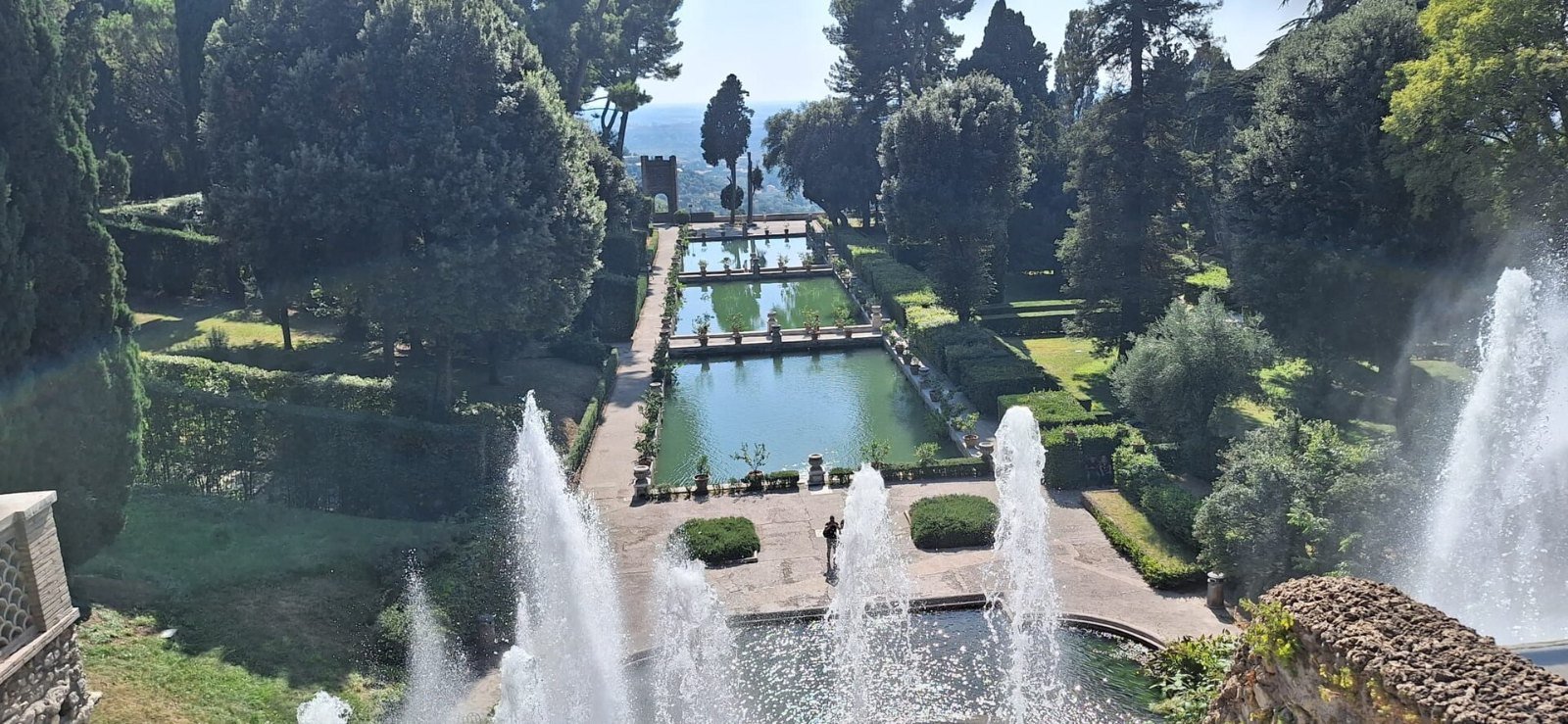
Tivoli, about 30 km east, has two UNESCO World Heritage sites: Villa d’Este, a Renaissance garden with hundreds of fountains, and Hadrian’s Villa, the vast country estate of a Roman emperor. Regional trains and buses reach Tivoli in about an hour; seeing both sites makes a full day.
Ostia Antica was ancient Rome’s port. Its streets, apartment blocks, baths and theatre are remarkably complete, and it is far less crowded than Pompeii. The Roma-Lido train from Porta San Paolo gets you there in about half an hour.
The Appian Way (Via Appia Antica) is one of the oldest Roman roads. Rent a bike near the start of the road and ride past tombs, catacombs and aqueduct ruins in a protected park, with almost no traffic on Sundays.
The Castelli Romani are hill towns in the Alban Hills southeast of the city. Frascati is known for its white wine, Castel Gandolfo for the papal palace above Lake Albano, and Ariccia for porchetta.
With high-speed trains, Florence and Naples are realistic day trips too. From Naples, regional trains continue to the ruins of Pompeii.
Shopping
The big fashion houses line Via dei Condotti and the streets around the Spanish Steps. Via del Corso has high-street chains, and Via Cola di Rienzo in Prati has mid-range Italian brands with fewer tourists. For independent boutiques and vintage, try Via del Boschetto and Via Urbana in Monti, or Via del Governo Vecchio near Piazza Navona.
The Porta Portese flea market in Trastevere runs on Sunday mornings and sells everything from antiques to clothes; watch your bag in the crowds. For food gifts, the covered Mercato di Testaccio and specialist shops sell olive oil, pecorino romano, dried pasta and wine.
Food, nightlife and entertainment
Roman cooking is simple and rich. Four pasta dishes define it: cacio e pepe (pecorino and black pepper), carbonara (egg, guanciale and pecorino), amatriciana (tomato and guanciale) and gricia. Try carciofi alla giudia (fried artichokes) in the old Jewish Ghetto, pizza al taglio by weight for a quick lunch, supplì (fried rice balls) as a snack and maritozzi (cream-filled buns) for breakfast.
Testaccio is the place for traditional trattorias and offal dishes such as coda alla vaccinara (oxtail stew). Trastevere and Monti are the busiest areas for dinner and drinks, while Pigneto has a younger crowd and cheaper bars. Romans eat dinner late, from about 8:00 or 8:30 pm, and aperitivo from around 6:00 pm often comes with free snacks.
For culture after dark, check the programme at the Teatro dell’Opera, the Auditorium Parco della Musica, and in summer the opera season at the Baths of Caracalla.
Annual events in Rome
Run Rome The Marathon starts and finishes near the Colosseum; the 2027 race is on March 14.
Easter falls on March 28 in 2027. Holy Week brings large crowds to the Vatican. The Pope traditionally leads the Way of the Cross at the Colosseum on Good Friday and celebrates Easter Mass in St. Peter’s Square.
Natale di Roma, the city’s birthday, is celebrated on April 21 with historical parades and re-enactments.
The Internazionali BNL d’Italia, one of the main clay-court tennis tournaments before the French Open, runs from April 27 to May 16, 2027 at the Foro Italico.
Festa della Repubblica on June 2 features a military parade along Via dei Fori Imperiali, and the Feast of Saints Peter and Paul on June 29 is a public holiday in Rome, with Mass at St. Peter’s and fireworks over Castel Sant’Angelo in some years.
Estate Romana fills summer evenings, usually from June to September, with outdoor cinema, concerts and riverside stalls along the Tiber. The Rome Film Fest usually takes place in October, and from early December to January 6 a Christmas market fills Piazza Navona.
3-day and 7-day itineraries
3 days
Day 1, ancient Rome: start early at the Colosseum, then walk through the Roman Forum and up the Palatine Hill. In the afternoon, cross Piazza Venezia to the Capitoline Museums and end with dinner in Monti.
Day 2, the Vatican and Trastevere: book the first entry slot at the Vatican Museums, then visit St. Peter’s Basilica and climb the dome. Walk along the Tiber past Castel Sant’Angelo, and finish with sunset on the Gianicolo and dinner in Trastevere.
Day 3, the historic centre: see the Pantheon when it opens, then Piazza Navona, Campo de’ Fiori and the Jewish Ghetto. In the afternoon, visit the Trevi Fountain and the Spanish Steps, then walk up to the Pincio terrace in Villa Borghese for the evening view.
7 days
Follow the three days above, then add:
Day 4: the Borghese Gallery in the morning (book ahead), the rest of Villa Borghese and an evening in Prati.
Day 5: a day trip to Tivoli for Villa d’Este and Hadrian’s Villa.
Day 6: Ostia Antica in the morning, then lunch at Testaccio market and the Aventine keyhole and orange garden in the late afternoon.
Day 7: cycle the Appian Way and visit a catacomb, or take a fast train to Florence or Naples for the day.
Do’s and don’ts
Do
- Book the Colosseum, the Vatican Museums and the Borghese Gallery in advance, on the official websites.
- Carry a refillable bottle and fill it at the nasoni, the free public drinking fountains all over the city.
- Cover your shoulders and knees for churches and the Vatican.
- Have a coffee standing at the bar, as Romans do; it costs less than sitting at a table.
- Check opening days before you go, as many state museums close on Mondays.
Don’t
- Sit on the Spanish Steps: it is banned, and fines start at €250.
- Wade or bathe in fountains; fines go up to €450.
- Drive into the centre: the ZTL cameras will send the fine to your car rental company.
- Leave phones or wallets in back pockets on busy buses, especially line 64 to the Vatican, and around Termini.
- Order a cappuccino after lunch if you want to blend in; Romans drink it in the morning.
Rome FAQ
How many days do you need in Rome?
Three full days cover the ancient sites, the Vatican and the historic centre at a comfortable pace. With five to seven days you can add the Borghese Gallery and day trips to Tivoli, Ostia Antica or the Appian Way.
What is the best month to visit Rome?
April, May, late September and October offer the best weather. For lower prices and shorter lines, early March and November are good choices, as long as you avoid Easter week.
Do I need to book the Colosseum and the Vatican in advance?
Yes, for most of the year. Colosseum tickets are issued in your name and the best time slots sell out, and booking the Vatican Museums online lets you skip the long ticket line. The Borghese Gallery only admits visitors with a reservation.
Is the water in Rome safe to drink?
Yes. Tap water is safe, and the cold water from the nasoni street fountains is drinkable and free.
What currency is used in Rome?
Italy uses the euro. Cards and contactless payments are widely accepted, but carry some cash for small cafés, markets and tips.
Do I need a visa to visit Rome?
Citizens of Canada, the United States and many other countries can visit Italy and the Schengen area without a visa for up to 90 days in any 180-day period. Since 2026 your fingerprints and photo are recorded at the border under the EU Entry/Exit System. The ETIAS travel authorisation had not started as of November 2026; check the official EU travel site before you go.
Planning a trip to Rome?
We track flight, hotel and package prices and only post deals that beat the usual price. See what’s live right now.
See Rome deals