Updated November 2026 · About a 13-minute read
Lisbon is one of Europe’s most rewarding cities: seven hills of pastel buildings and tiled façades, yellow trams grinding up impossibly steep streets, a wide river that feels like the sea, and some of the best-value food and wine in Western Europe. It is compact enough to explore on foot, sunny for much of the year, and surrounded by palaces, beaches and wine country that are all within an hour. This guide covers when to go, where to stay, what to see and eat, the best day trips, and ready-made 3-day and 7-day plans.
Best time to visit Lisbon
Lisbon has a mild Atlantic-Mediterranean climate, so there is no truly bad month. The right time depends on whether you want beach weather, festivals or quiet streets and lower prices.
March to May is the sweet spot for many travellers. Days are mostly sunny and in the high teens to low twenties Celsius, the jacaranda trees bloom purple in late May, and the crowds have not yet peaked. Easter week is busy, so book early if your dates overlap.
June to August is hot, lively and crowded. Highs are usually in the high twenties and can pass 35°C during heat waves. June is festival month, with street parties, grilled sardines and decorated neighbourhoods across the old town. July and August are best combined with beach days on the Cascais line or the Caparica coast.
September and October keep summer warmth with fewer people. The sea is at its warmest, the light is golden and it is a great time for wine regions such as the Alentejo and Setúbal.
November to February is the quiet, cheaper season. Expect daytime highs around 14 to 17°C, more rain and short days, but also empty viewpoints, lower hotel prices and cosy fado nights. It is an excellent time for museums, food and city breaks.
Getting there and getting around
Lisbon’s Humberto Delgado Airport (LIS) sits inside the city, only about 7 km from the centre. It has direct flights from across Europe and nonstop routes to North America, Brazil and Africa. The metro red line runs from the airport into the city in about 20 to 30 minutes, with one change to reach Baixa or the river. Airport buses, taxis and ride-hailing apps are also widely used and reasonably priced by European standards.
If you arrive by train, long-distance services from Porto and the Algarve stop at Santa Apolónia and Oriente. Oriente is also the main hub for long-distance buses.
Getting around: the centre is walkable but very hilly, with slippery limestone pavements. Lisbon’s four metro lines, buses, historic trams and suburban trains cover nearly everything, and a single rechargeable card (the navegante card, sold at metro stations) works across the network. Tram 28 runs through Graça, Alfama, Baixa, Chiado and Estrela and is a sightseeing ride in itself, though it is often packed. Suburban trains run from Rossio to Sintra and from Cais do Sodré along the coast to Cascais, and ferries cross the river from Cais do Sodré and Terreiro do Paço.
Driving in central Lisbon is stressful and parking is scarce. Rent a car only for trips into the countryside, and pick it up on your way out of the city.
Where to stay in Lisbon
Baixa and Chiado are the most central choice. The flat, grid-planned Baixa was rebuilt after the 1755 earthquake and leads to the riverfront, while Chiado above it is elegant, with historic cafés, theatres and shopping. Ideal for first-time visitors.
Alfama and Mouraria are the oldest quarters, a maze of stairways, laundry lines and fado houses below São Jorge Castle. Atmospheric and romantic, but hilly and some streets are hard to reach by taxi.
Príncipe Real and Bairro Alto sit on the hill west of the centre. Príncipe Real is leafy and upscale with design shops and garden cafés; Bairro Alto is the nightlife district, fun but noisy late at night.
Avenida da Liberdade is Lisbon’s grand boulevard, lined with luxury hotels and flagship stores, with an easy metro ride or walk down to Baixa.
Intendente and Arroios have changed fast in recent years. Largo do Intendente is now a lively square of cafés and boutique hotels, with good metro links and prices that are often lower than in the historic core.
Belém and Parque das Nações are quieter. Belém suits travellers who want monuments and riverside walks; Parque das Nações, the modern waterfront built for Expo 98, is handy for the airport and Oriente station.
Best beaches near Lisbon
Lisbon itself sits on the river, not the ocean, but excellent beaches are close by.
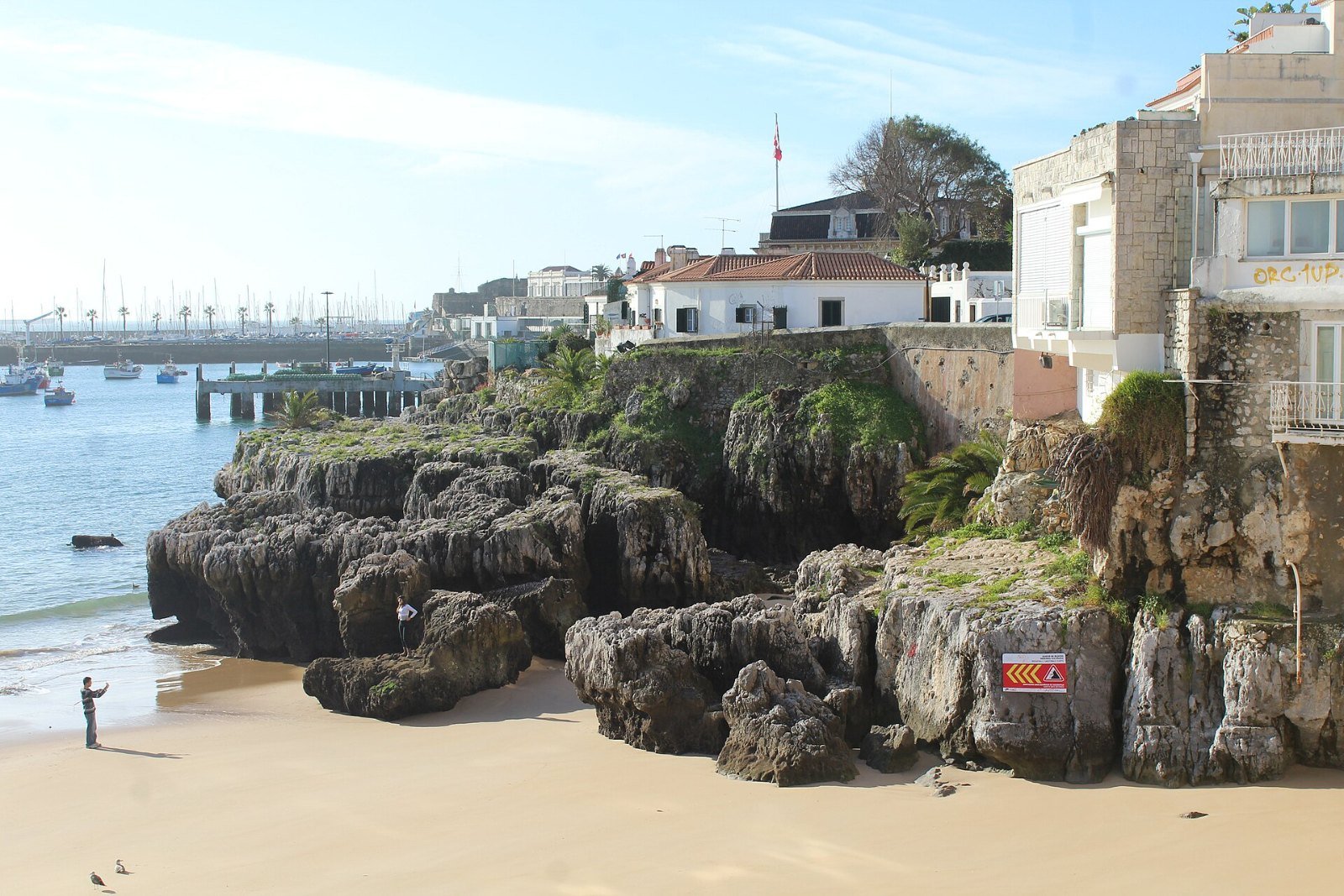
Cascais and Estoril: a scenic 35 to 40 minute train ride from Cais do Sodré follows the coast past small sandy coves. Carcavelos is a long, lively beach popular with surfers, while Praia da Rainha and Praia da Conceição in Cascais are sheltered and good for a swim followed by lunch in town.
Costa da Caparica: south of the river, this is a 20-plus kilometre stretch of Atlantic sand with surf schools and beach bars. Quieter beaches lie further south along the coast.
Sintra coast: Praia da Adraga, Praia Grande and the dramatic Praia da Ursa near Cabo da Roca are wild, beautiful and best for walks and photos; currents can be strong.
Arrábida: about an hour south, the beaches of the Arrábida Natural Park have calm turquoise water below green limestone hills. Access roads are restricted on summer weekends, so check local rules before you drive.
Top things to do in Lisbon
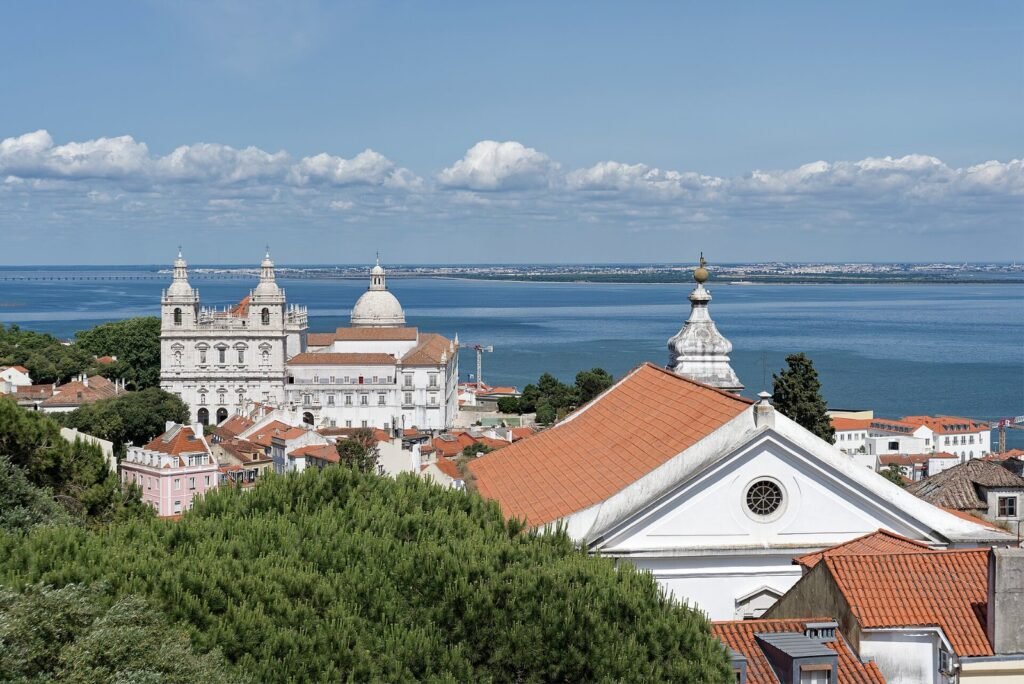
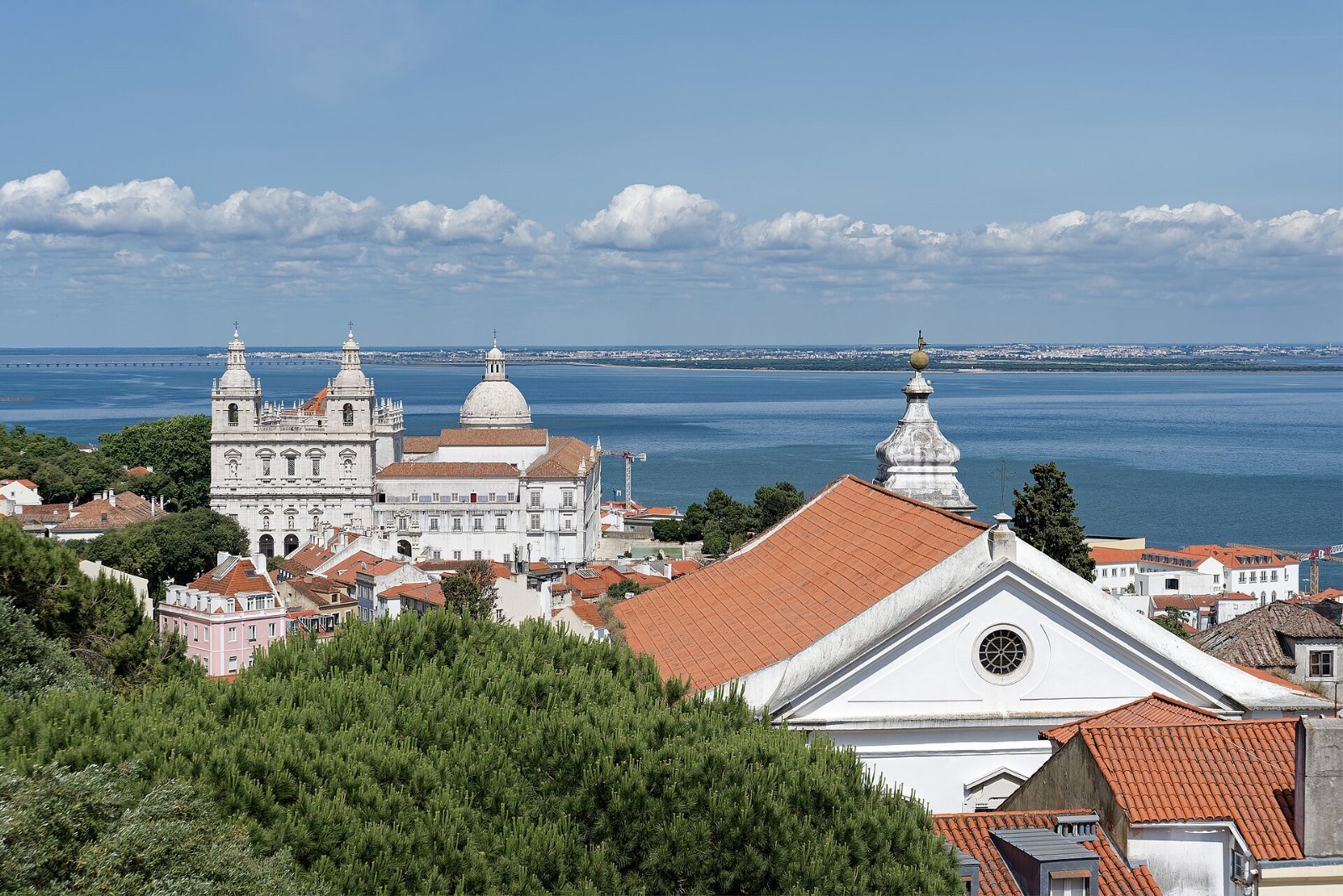
Explore Alfama and São Jorge Castle. Wander uphill through Alfama’s lanes to the castle walls for sweeping views over the river and red rooftops. Stop at the Santa Luzia and Portas do Sol viewpoints on the way.
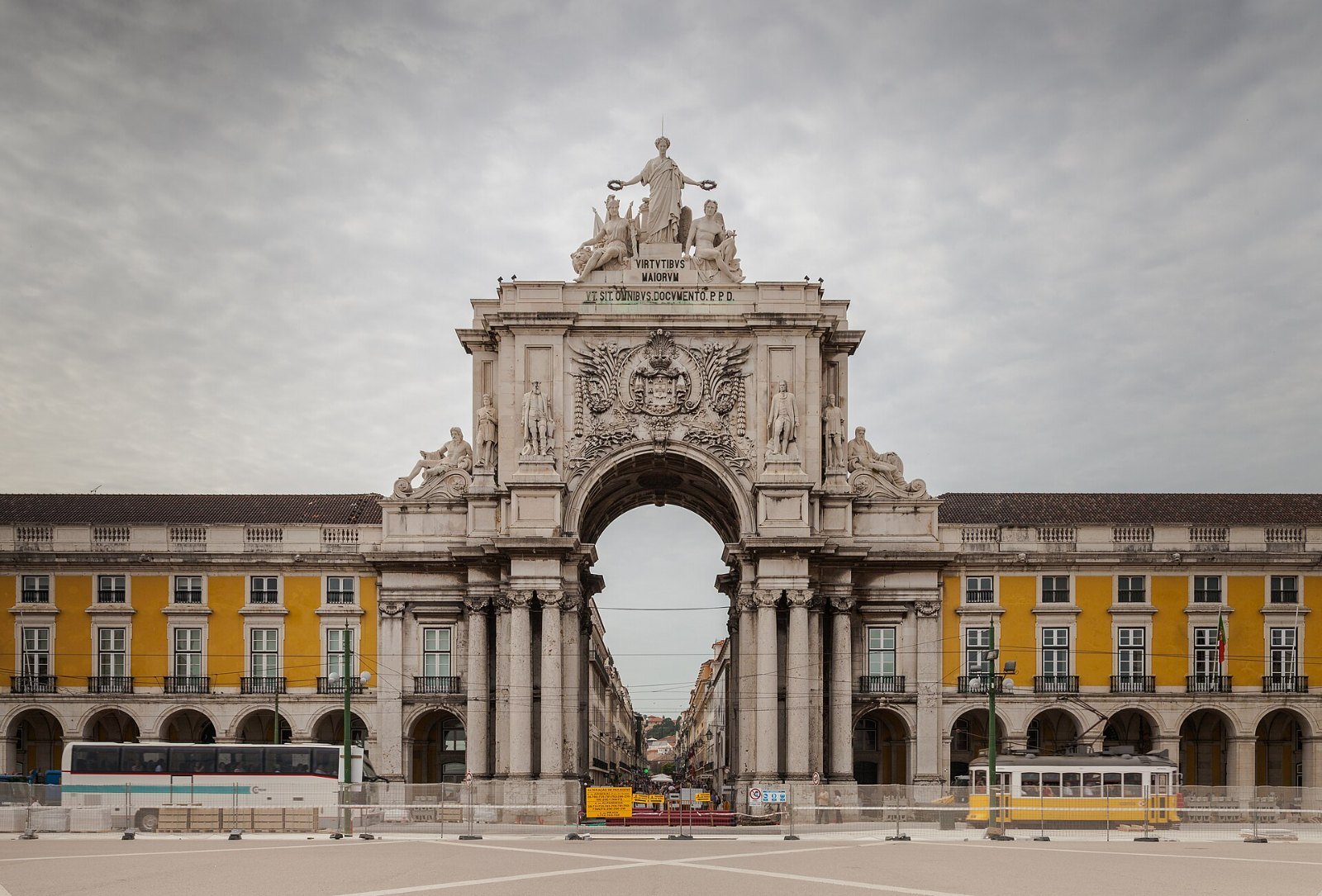
Walk Baixa to Praça do Comércio. Stroll down pedestrian Rua Augusta, under its triumphal arch, to the vast riverside square that once welcomed ships to the capital. At sunset, the riverfront promenade towards Cais do Sodré is one of the city’s best walks.
Spend a day in Belém. The Jerónimos Monastery and Belém Tower, both UNESCO World Heritage sites, celebrate Portugal’s age of exploration. Nearby are the Padrão dos Descobrimentos monument, the contemporary MAAT museum and the café that has been baking the famous custard tarts of Belém since 1837. Arrive early or late to avoid long lines.
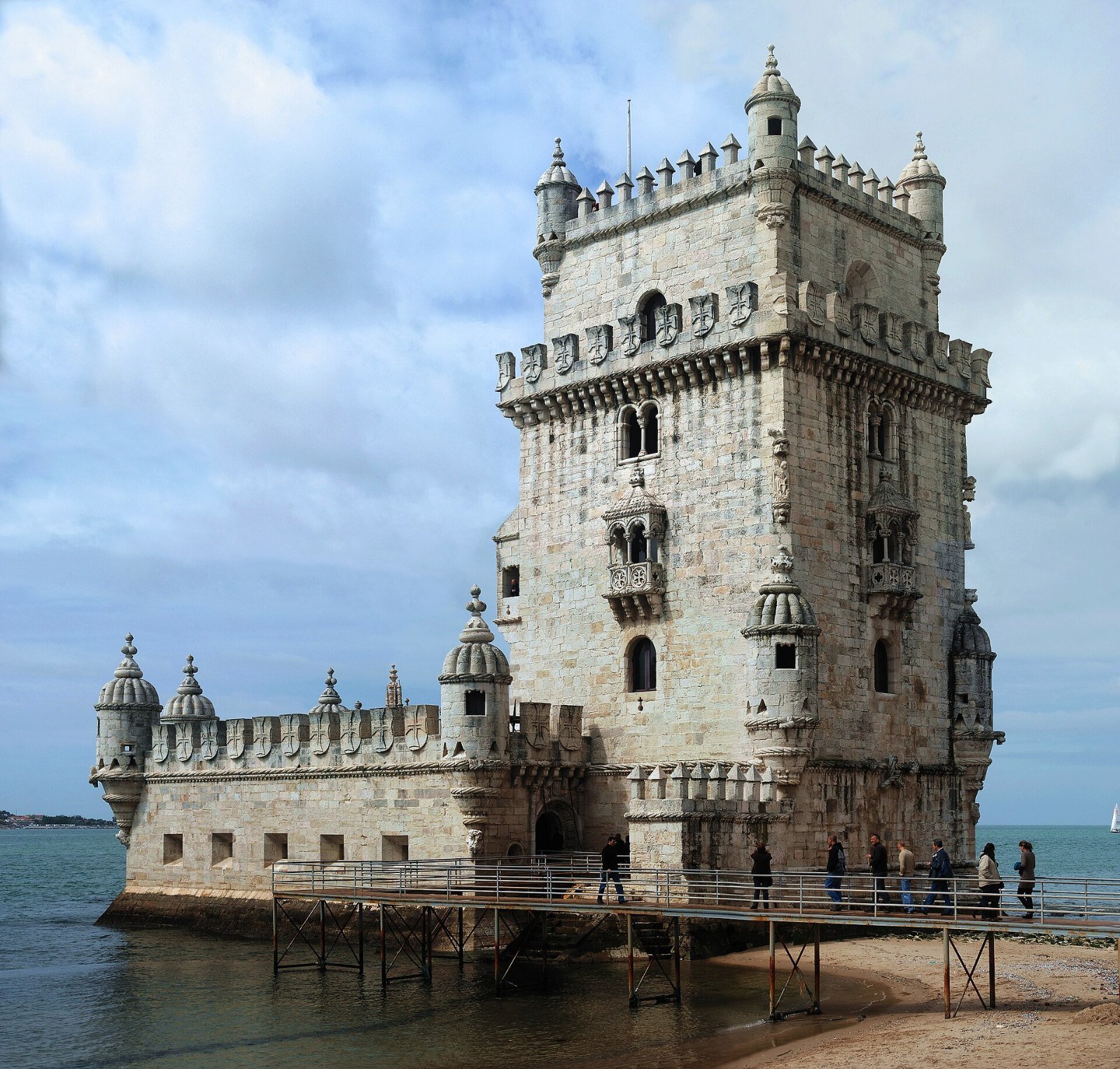
Collect miradouros. Lisbon’s hilltop viewpoints are free and spectacular. Favourites include Senhora do Monte and Graça for sunset, São Pedro de Alcântara near Bairro Alto, and Santa Catarina above the river.
Visit the museums. The Calouste Gulbenkian Museum holds a superb art collection in modernist gardens. The National Tile Museum, in a former convent, tells the story of Portugal’s azulejos, and the Oceanário in Parque das Nações is one of Europe’s largest aquariums.
Ride Tram 28 or a tuk-tuk. The old yellow trams are an icon. Board early in the morning at Martim Moniz for the best chance of a seat, and keep an eye on your belongings.
Hear fado. Portugal’s soulful song, listed by UNESCO as intangible cultural heritage, is best heard in small taverns in Alfama, Mouraria and Bairro Alto. Most venues serve dinner and ask for silence during performances.
LX Factory and the river. Under the 25 de Abril Bridge, this converted industrial complex is full of bookshops, studios, restaurants and rooftop bars. For a different view of the city, take the ferry across to Cacilhas and walk along the river to a seafood lunch.
Nature and day trips from Lisbon
Sintra: 40 minutes by train from Rossio, Sintra is a forested hill town of fairy-tale palaces. The colourful Pena Palace, the Moorish Castle, the mystical Quinta da Regaleira and the Sintra National Palace can fill a full day. Buy timed tickets ahead in busy months and use local buses or walk the forest trails between sites.
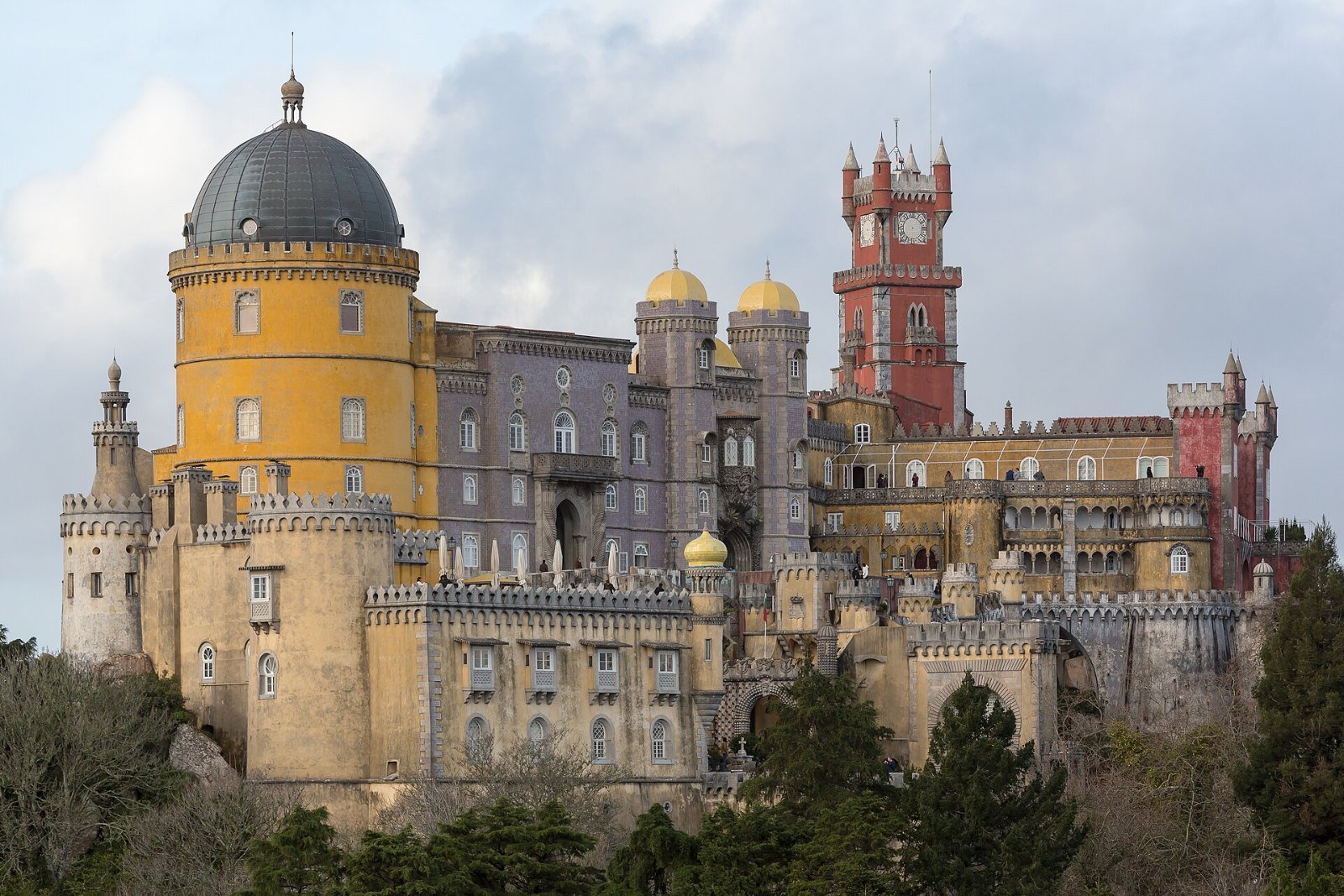
Cabo da Roca and the Sintra coast: the westernmost point of mainland Europe, with cliffs, a lighthouse and wild beaches nearby. It combines well with Sintra or Cascais by car or bus.
Cascais: a former fishing village turned elegant seaside town, with beaches, a marina, the Boca do Inferno sea cliffs and a flat coastal cycle path to Guincho beach.
Arrábida and Setúbal: limestone mountains dropping into a clear blue bay, plus fresh fish in Setúbal and wine estates in Azeitão. Dolphins live in the Sado estuary, and boat trips run from Setúbal.
Évora: about 1.5 hours by train, this walled Alentejo city has a Roman temple, a bone chapel and excellent regional food and wine.
Óbidos: a whitewashed medieval town inside its walls, about an hour north, known for cherry liqueur served in chocolate cups.
Shopping
Look for things that are made in Portugal: hand-painted tiles, ceramics, cork goods, tinned fish in colourful packaging, wool blankets, olive oil and port. A Vida Portuguesa stores sell classic Portuguese brands in beautiful old shops. Embaixada in Príncipe Real gathers local designers inside a 19th-century palace, and Chiado has both international chains and historic shops, including the Bertrand bookshop, often called the oldest operating bookstore in the world. The Feira da Ladra flea market fills Campo de Santa Clara on Tuesday and Saturday mornings, and Avenida da Liberdade is the place for luxury brands.
Food, nightlife and entertainment
Lisbon is a food city at fair prices. Try a pastel de nata (custard tart) warm with cinnamon, a bifana pork sandwich, bacalhau (salt cod) in its many forms, clams in garlic and coriander, grilled fish and, in June, sardines straight off the grill. Shellfish beer halls serve garlic prawns and crab with cold beer, and traditional tascas offer hearty set lunches. Finish with a shot of ginjinha, the sour cherry liqueur sold from tiny bars around Rossio.
The Time Out Market in the old Ribeira market hall is an easy way to sample many chefs under one roof. For wine, look for bottles from the Douro, Alentejo, Dão and Setúbal regions, and vinho verde in warm weather.
Nightlife starts late. Bairro Alto’s narrow streets fill with people drinking outside small bars, Cais do Sodré’s “Pink Street” has bars and clubs open into the early hours, and rooftop bars across the city are best at sunset. For something calmer, catch a concert at the Gulbenkian, a show at one of the historic theatres, or a fado dinner.
Annual events
Carnival (February or March): parades and costume parties in the region, with Torres Vedras, north of Lisbon, hosting Portugal’s most famous celebration.
Festas de Lisboa (June): the whole month is a city-wide party. The highlight is the night of 12 to 13 June, the feast of Santo António, with neighbourhood marching groups on Avenida da Liberdade and street parties with grilled sardines in Alfama, Mouraria and Graça.
Summer music festivals (July): large outdoor festivals such as NOS Alive in Algés usually take place in early to mid July, with Rock in Rio Lisboa held in some years. Check official sites for each year’s dates.
Lisbon Marathon (October): the marathon and half marathon usually take place in October, with a scenic route along the river.
Web Summit (November): one of the world’s largest technology conferences takes over Parque das Nações each November, and hotel prices rise across the city during that week.
Christmas and New Year: lights and markets brighten the city through December, and New Year’s Eve is celebrated with concerts and fireworks along the river at Praça do Comércio.
3-day and 7-day itineraries
3 days
Day 1: Start in Baixa and walk down Rua Augusta to Praça do Comércio. Climb through Alfama to São Jorge Castle, stopping at the Santa Luzia viewpoint. Have lunch in Alfama, then ride Tram 28 towards Graça for sunset at Senhora do Monte. Dinner and fado in Alfama or Mouraria.
Day 2: Spend the morning in Belém at the Jerónimos Monastery and Belém Tower, with custard tarts as a mid-morning snack. Walk or ride along the river to MAAT and LX Factory. Evening in Chiado and Bairro Alto, starting with sunset at São Pedro de Alcântara.
Day 3: Take the early train to Sintra for Pena Palace and Quinta da Regaleira. Return in the afternoon and finish with dinner at the Time Out Market or a seafood beer hall.
7 days
Follow the 3-day plan, then add:
Day 4: Museums day: the Gulbenkian in the morning, the National Tile Museum after lunch, and shopping in Príncipe Real.
Day 5: Cascais by train along the coast, with a beach stop, the Boca do Inferno cliffs and a bike ride towards Guincho.
Day 6: Arrábida and Setúbal, with a beach morning, fish lunch in Setúbal and a winery visit in Azeitão, or a day trip to Évora.
Day 7: Parque das Nações and the Oceanário, then the ferry to Cacilhas for a riverside dinner with views back to the city.
Do’s and don’ts
Do
- Wear comfortable shoes with good grip for the hills and smooth stone pavements.
- Book Sintra palaces and popular restaurants ahead in high season.
- Get a rechargeable transport card and use the metro and trains.
- Try a set lunch at a local tasca; it is often the best value meal of the day.
- Say “bom dia” and “obrigado” (or “obrigada”); a little Portuguese goes a long way.
- Visit popular viewpoints and Belém early in the morning.
Don’t
- Don’t buy anything from street sellers offering drugs in Baixa; it is illegal and the products are fake.
- Don’t leave phones and wallets loose on crowded trams; pickpockets target Tram 28.
- Don’t feel obliged to eat the bread, olives or cheese placed on your table; you are charged only if you eat them, so send them back if you don’t want them.
- Don’t call Portuguese “Spanish” or speak to people in Spanish by default; English is widely spoken.
- Don’t underestimate the Atlantic; obey lifeguard flags at ocean beaches.
Lisbon FAQ
How many days do you need in Lisbon?
Three full days cover the main neighbourhoods, Belém and a day trip to Sintra. With five to seven days you can add Cascais, Arrábida or Évora and enjoy the city at a slower pace.
Is Lisbon expensive?
Lisbon is more affordable than most Western European capitals, especially for food, wine and public transport. Hotel prices rise sharply in summer and during big events, so the cheapest months are usually November to February.
Is Lisbon safe for tourists?
Lisbon is generally a safe city. The main issue is pickpocketing on crowded trams, at viewpoints and in nightlife areas, so keep valuables secure and be careful late at night in quiet streets.
What currency is used in Lisbon?
Portugal uses the euro. Cards are widely accepted, including contactless payment, but carry a little cash for small cafés, markets and tips.
Do I need a visa to visit Lisbon?
Portugal is in the Schengen Area. Citizens of Canada, the United States, the UK and many other countries can visit visa-free for short stays, but entry rules are changing with new European registration systems, so check the official requirements for your passport before you travel.
Can you swim in Lisbon?
Not in the city centre, but beaches are a short train or ferry ride away in Cascais, Estoril, Carcavelos and Costa da Caparica. The water is cool all year and warmest from August to October.
Planning a trip to Lisbon?
We track flight, hotel and package prices and only post deals that beat the usual price. See what’s live right now.
See Lisbon deals