Updated October 2026 · About a 13-minute read
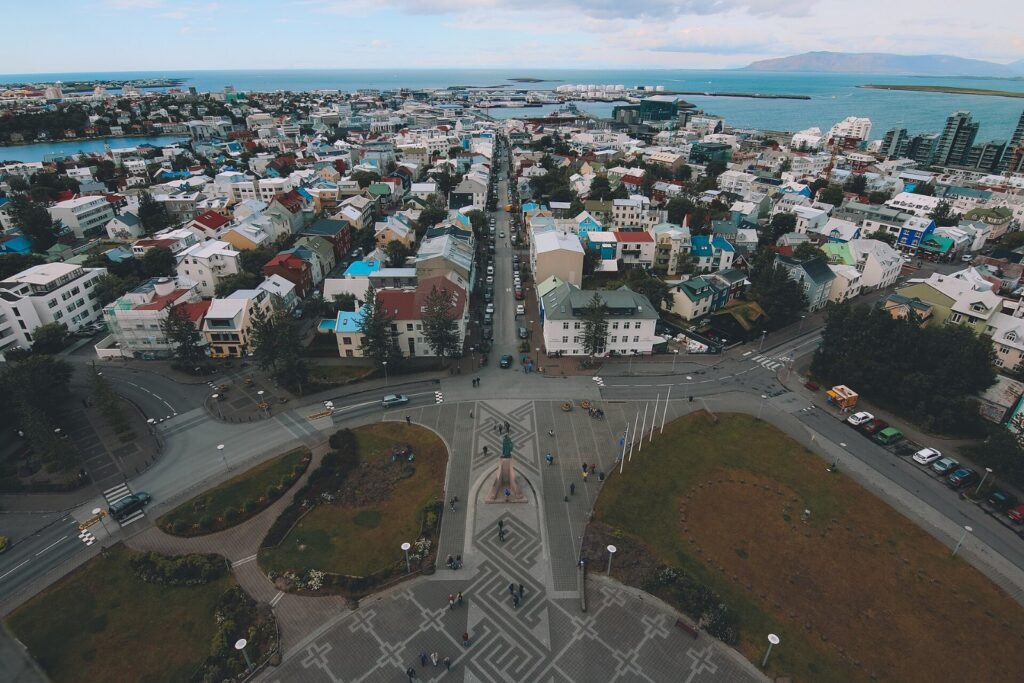
Reykjavik is the world’s northernmost capital and one of the easiest places on earth to pair a city break with raw nature. In a single day you can walk colourful downtown streets, soak in a geothermal lagoon, stand in the rift between two tectonic plates and, on a clear winter night, watch the northern lights. This guide covers when to go, where to stay, what to do, day trips, food, events and sample itineraries.
Best time to visit Reykjavik
There is no bad season in Reykjavik, only different trips. The city sits just below the Arctic Circle, so daylight swings dramatically through the year, and that matters more for planning than temperature does.
Summer (June to August) brings the mildest weather, with average highs around 11 to 13°C, and close to 20 hours of daylight around the June solstice. It is the best time for road trips, hiking and puffin watching. It is also the busiest and most expensive season, so book rooms and rental cars early.
Autumn (September and October) is a favourite with experienced travellers. Crowds thin out, the landscapes turn gold and rust, and dark nights return, which means the northern lights season begins. Average highs fall from around 10°C in September to about 6°C in October.
Winter (November to February) is the season for aurora hunting, snowy waterfalls, ice caves and cosy evenings. Expect highs around 1°C and only four to six hours of daylight in December and January. Storms can close roads at short notice, so leave slack in your plans.
Spring (March to May) is a sweet spot. Around the March equinox Reykjavik already gets about 12 hours of daylight, yet nights are still dark enough for the northern lights into early April. Prices are usually lower than in summer, and by May the countryside turns green and the first puffins return.
Getting there and getting around
By air: almost all international flights land at Keflavik International Airport (KEF), about 50 km southwest of Reykjavik. There are direct flights from many cities in North America and Europe, and many transatlantic routes fly overnight from the east coast, landing early in the morning.
From the airport: the drive to downtown takes about 45 minutes. Airport express coaches run to the central bus terminal and connect with hotel drop-offs, public bus 55 is the cheapest option but runs less often, and taxis are convenient but expensive. Many visitors pick up a rental car right at the airport.
In the city: central Reykjavik is compact and very walkable. You can cross downtown on foot in about 20 minutes. Strætó city buses cover the wider capital area.
Beyond the city: to explore the countryside you can join guided day tours, which run all year, or rent a car. The Ring Road (Route 1) circles the whole island in roughly 1,300 km. In winter, choose a four-wheel-drive vehicle, check conditions every day and avoid driving after dark if you are not used to snow and ice. Mountain F-roads are generally open only in summer and require a 4×4.
Where to stay in Reykjavik
Downtown (101 Reykjavik): the best base for a first visit. You are steps from Laugavegur, Hallgrimskirkja, the harbour, restaurants and bars, and most day tours pick up from nearby bus stops. Ask for a quiet room if you are a light sleeper, as nightlife streets are close by.
Old Harbour and Grandi: a former industrial waterfront that now has boutique hotels, design shops, a food hall, museums and whale-watching boats. It is ideal for travellers who want sea views and quick access to boat tours.
Laugardalur: a green, quieter district around the city’s largest swimming pool, the botanical garden and sports grounds. Good for families and for travellers with a car.
Lagoons, pools and beaches
Bathing in geothermal water is the heart of Icelandic culture, and it is one of the best ways to spend a cold, dark afternoon.
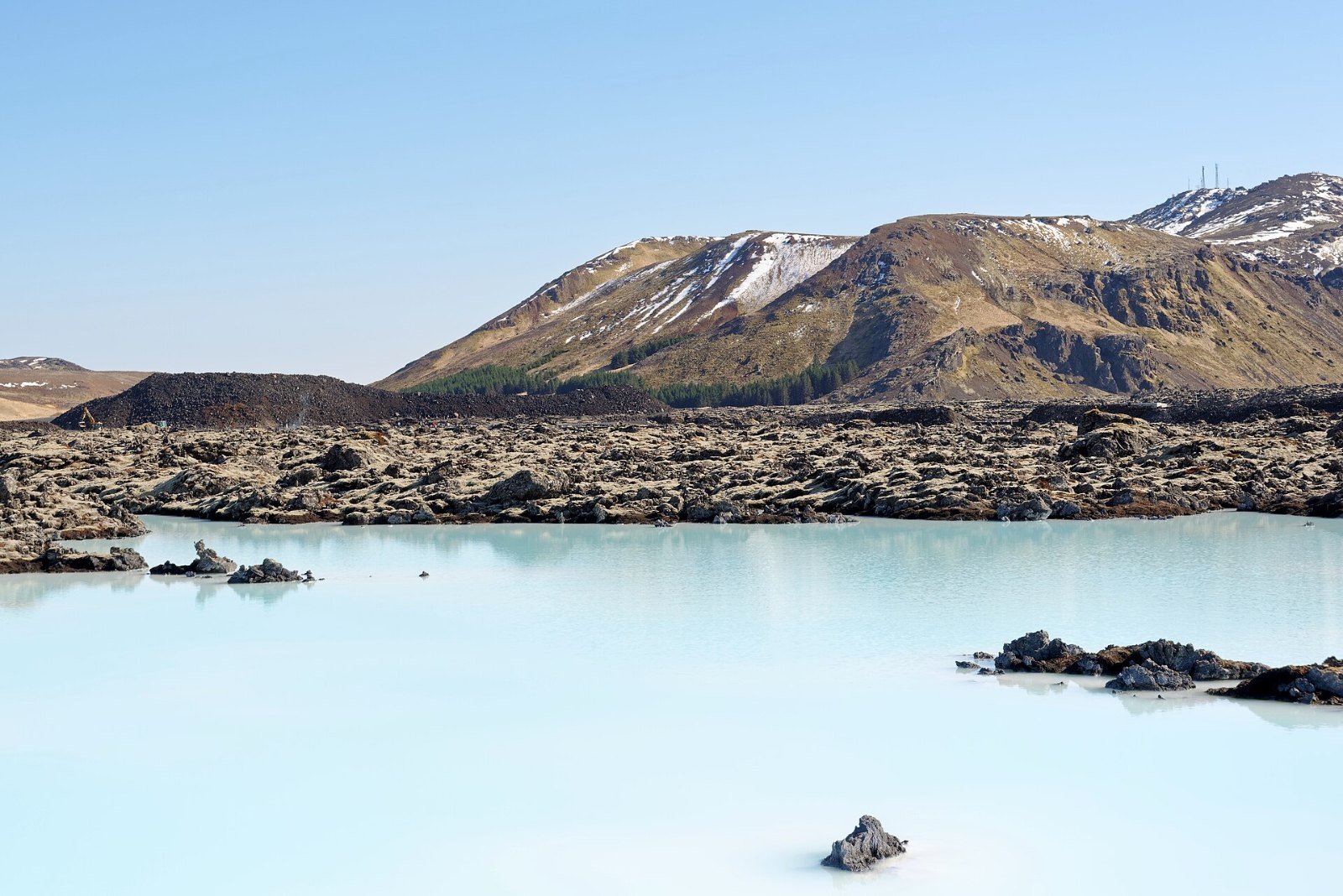
Blue Lagoon: Iceland’s most famous spa lies on the Reykjanes Peninsula, between the airport and the city, which makes it an easy stop on arrival or departure day. Its milky blue water and silica mud masks are iconic. Volcanic eruptions near the town of Grindavik have led to temporary closures in recent years, so check its status shortly before your trip and always book a time slot in advance.
Sky Lagoon: opened in 2021 in Kopavogur, about 15 minutes from the city centre, with an infinity edge facing the ocean and a seven-step bathing ritual that includes a cold plunge, sauna and body scrub. It is a great choice for a sunset or evening visit.
Neighbourhood pools: for the most local experience, go where Icelanders go. Sundhollin, the city’s oldest public pool, has outdoor hot tubs; Vesturbaejarlaug is a beloved neighbourhood pool; and Laugardalslaug is the largest, with long lanes, slides and several hot pots. Entry costs a fraction of the big lagoons.
Top things to do in Reykjavik
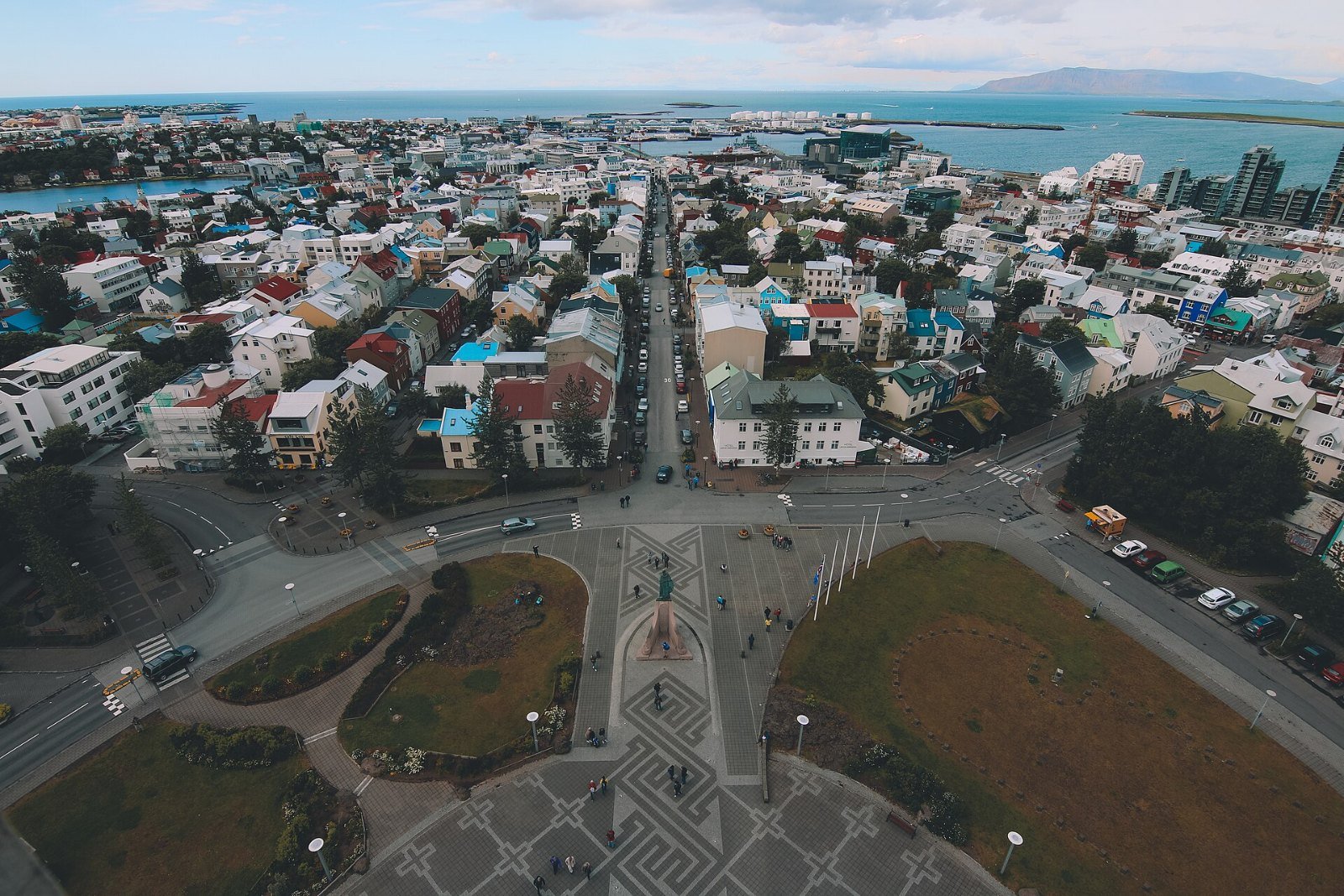
Hallgrimskirkja: the city’s landmark church stands 74.5 metres tall, making it the tallest church in Iceland. Its stepped concrete facade was designed by state architect Gudjon Samuelsson and is said to echo the basalt columns found in Icelandic landscapes. Take the lift up the tower for the best view over the city’s colourful rooftops, and look for the statue of Leif Erikson out front, a gift from the United States in 1930.
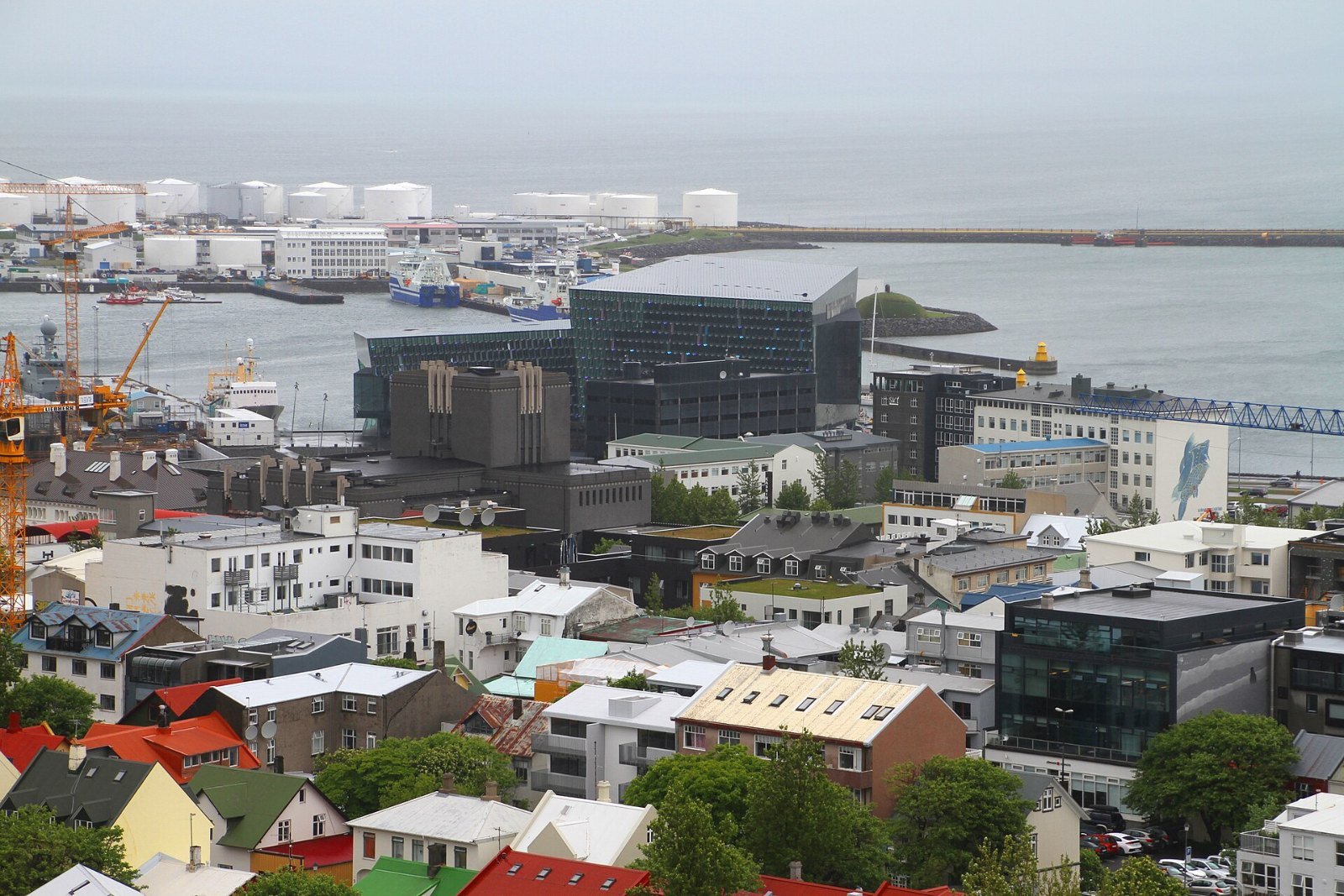
Harpa: the glass concert hall on the waterfront opened in 2011. Its honeycomb facade, created with artist Olafur Eliasson, sparkles in daylight and glows at night. Walk through the lobby for free, catch a concert by the Iceland Symphony Orchestra, or simply enjoy the harbour views.
The waterfront walk: follow the seafront path from Harpa to the Sun Voyager, a steel sculpture shaped like a Viking-style ship that is one of the most photographed spots in the city, especially at sunset.
Old Harbour: join a whale-watching cruise, which runs all year, or a summer puffin boat trip, then browse the harbour’s museums, cafes and design shops.
Grotta lighthouse: head to Grotta at the tip of the Seltjarnarnes peninsula for sunsets and, in winter, a good chance of the northern lights close to town.
Nature and day trips from Reykjavik
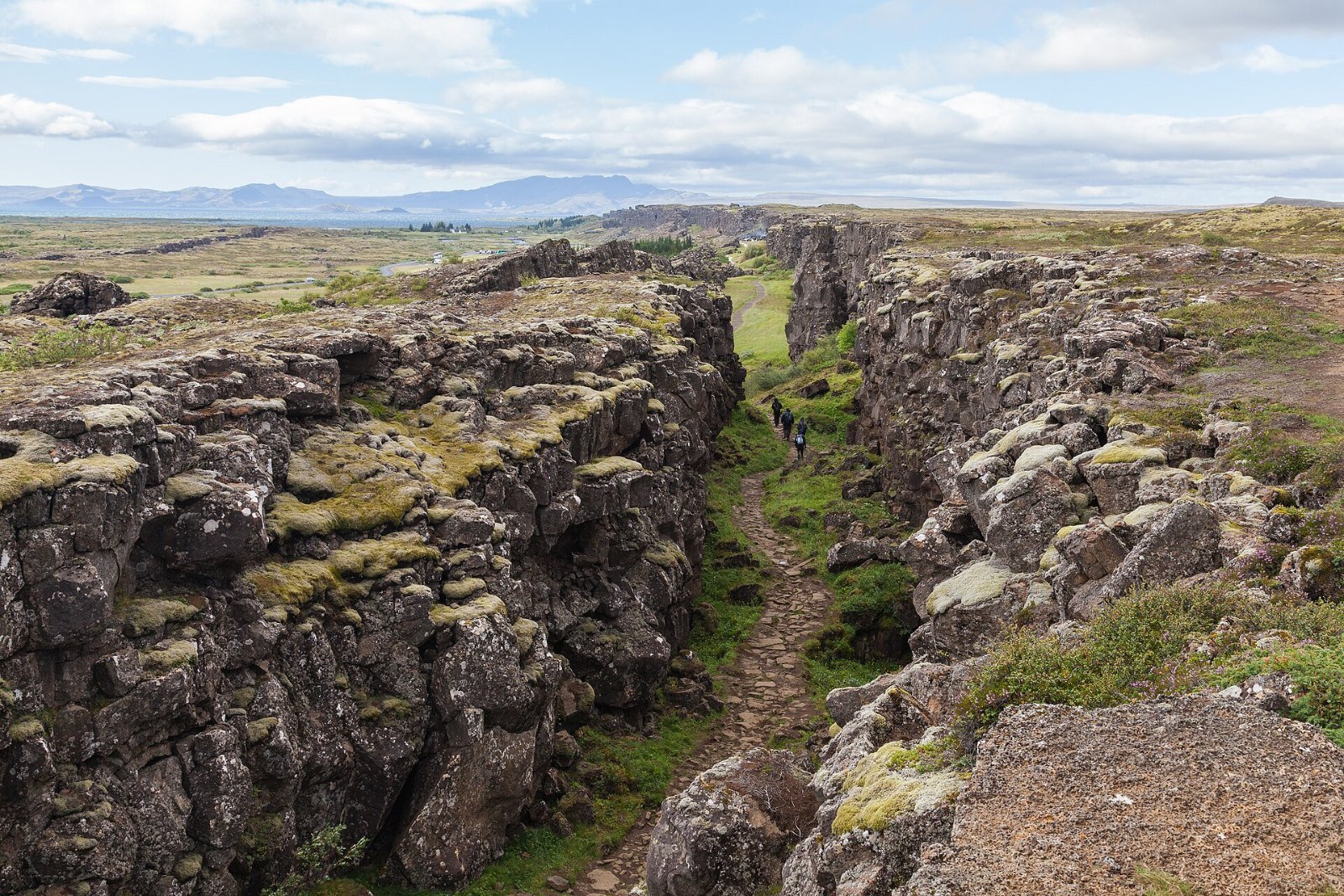
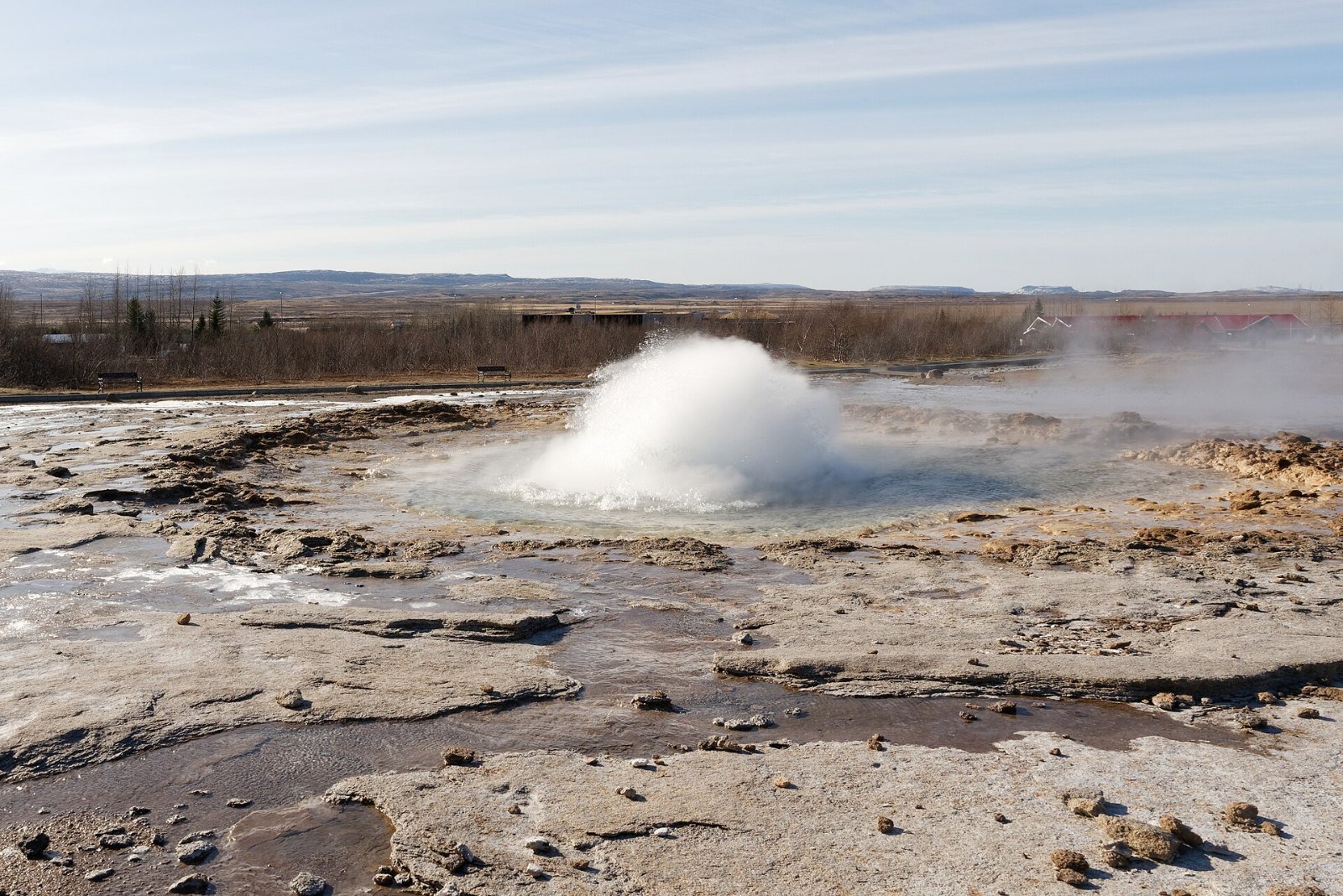
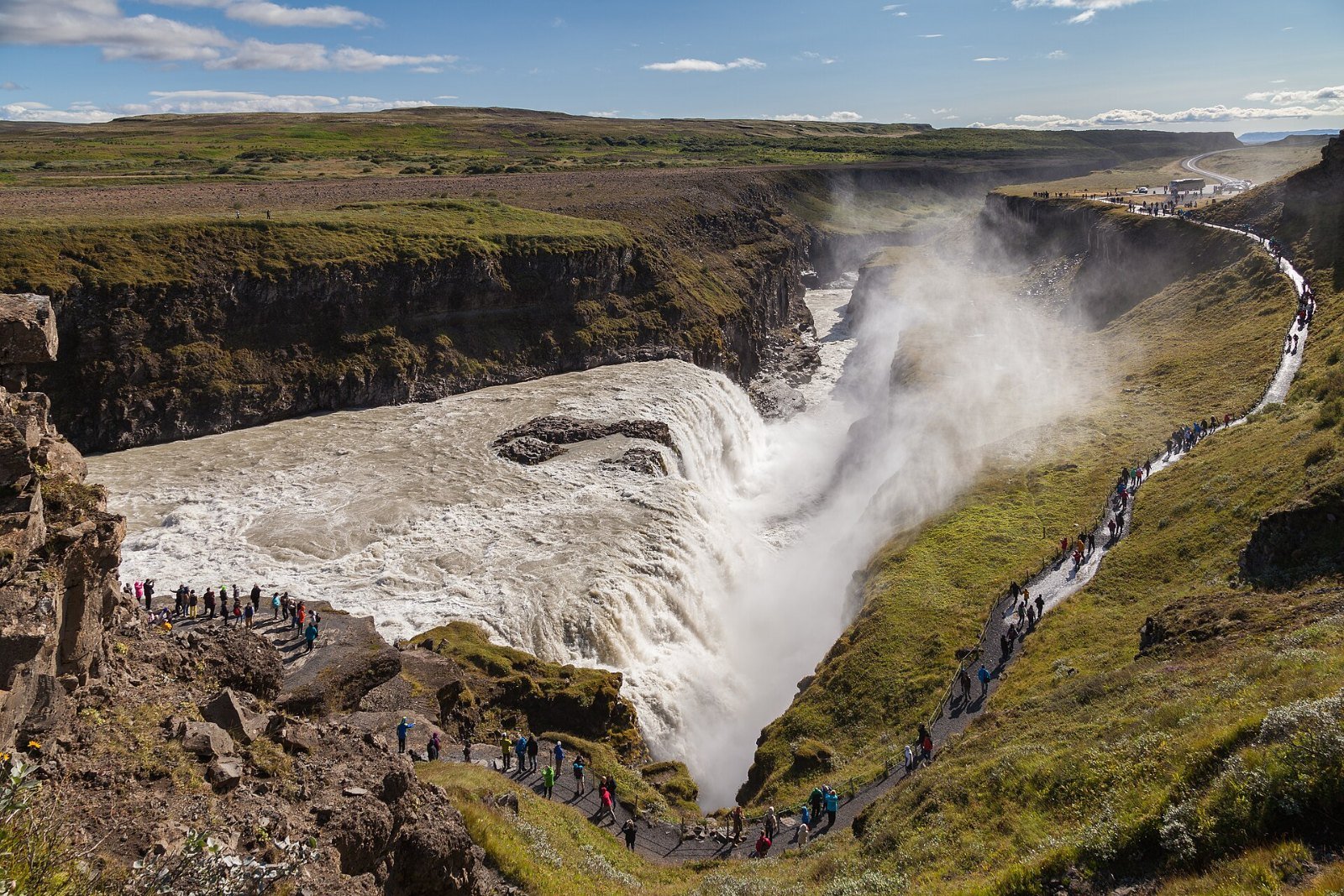
The Golden Circle: Iceland’s classic loop covers about 300 km and three headline stops. Thingvellir National Park, a UNESCO World Heritage Site, is where Iceland’s parliament first met in the year 930 and where you can walk through a rift valley between the North American and Eurasian plates. At the Geysir geothermal area, the Strokkur geyser erupts every five to ten minutes. Finally, Gullfoss waterfall plunges in two dramatic steps into a narrow canyon. Many tours add the Kerid crater lake or a greenhouse lunch.
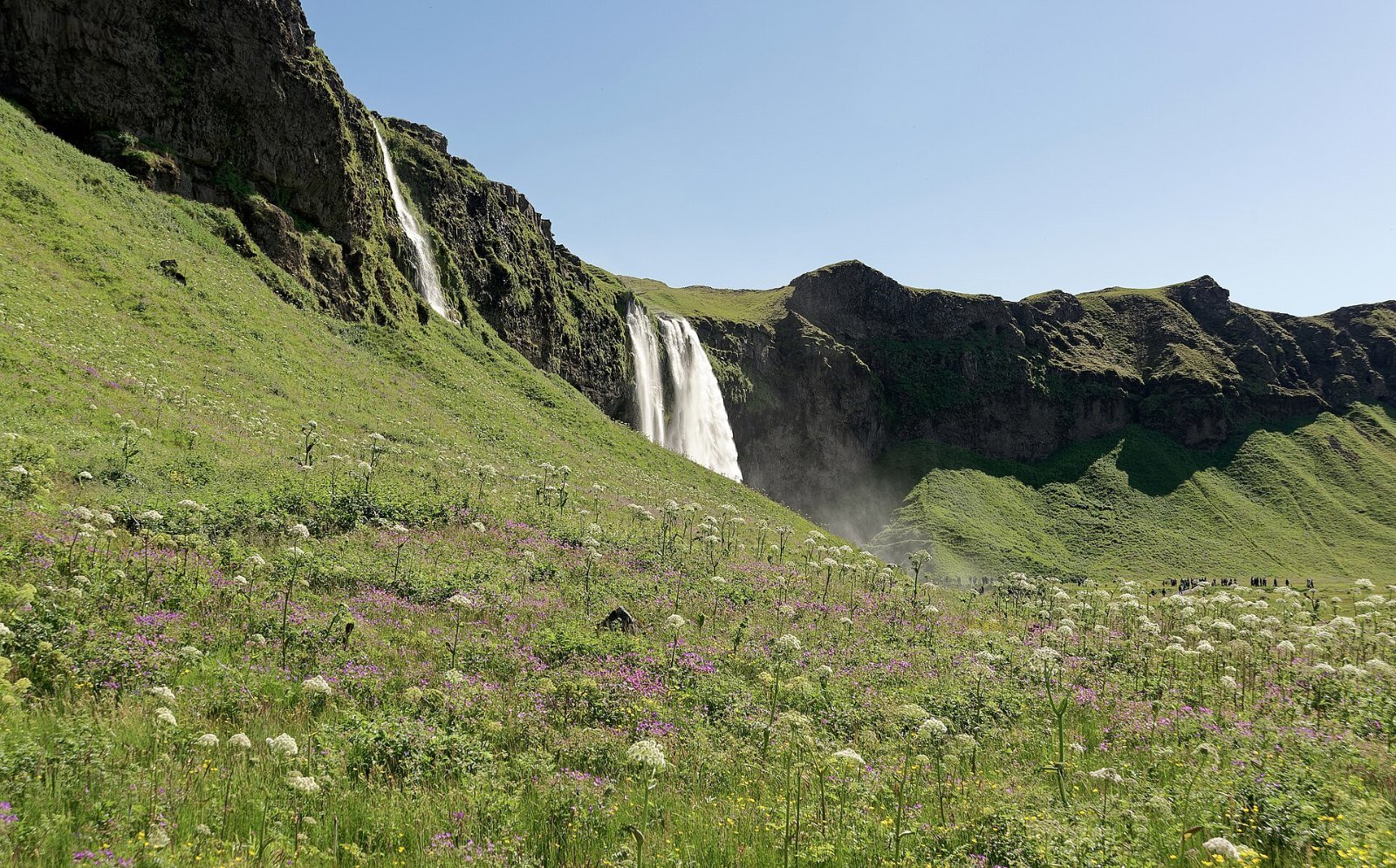
The south coast: drive east to Seljalandsfoss, where a summer path lets you walk behind the falling water, then on to the broad curtain of Skogafoss and the black sand beach of Reynisfjara near Vik. Guided glacier walks on Solheimajokull are a highlight for active travellers. This is a long day, so start early, or better, stay overnight.
Reynisfjara safety: the beach is famous for its basalt columns and sea stacks, but it is also known for powerful “sneaker waves” that rush far up the sand without warning. Stay well back from the water, follow the warning lights and signs, and never turn your back on the sea.
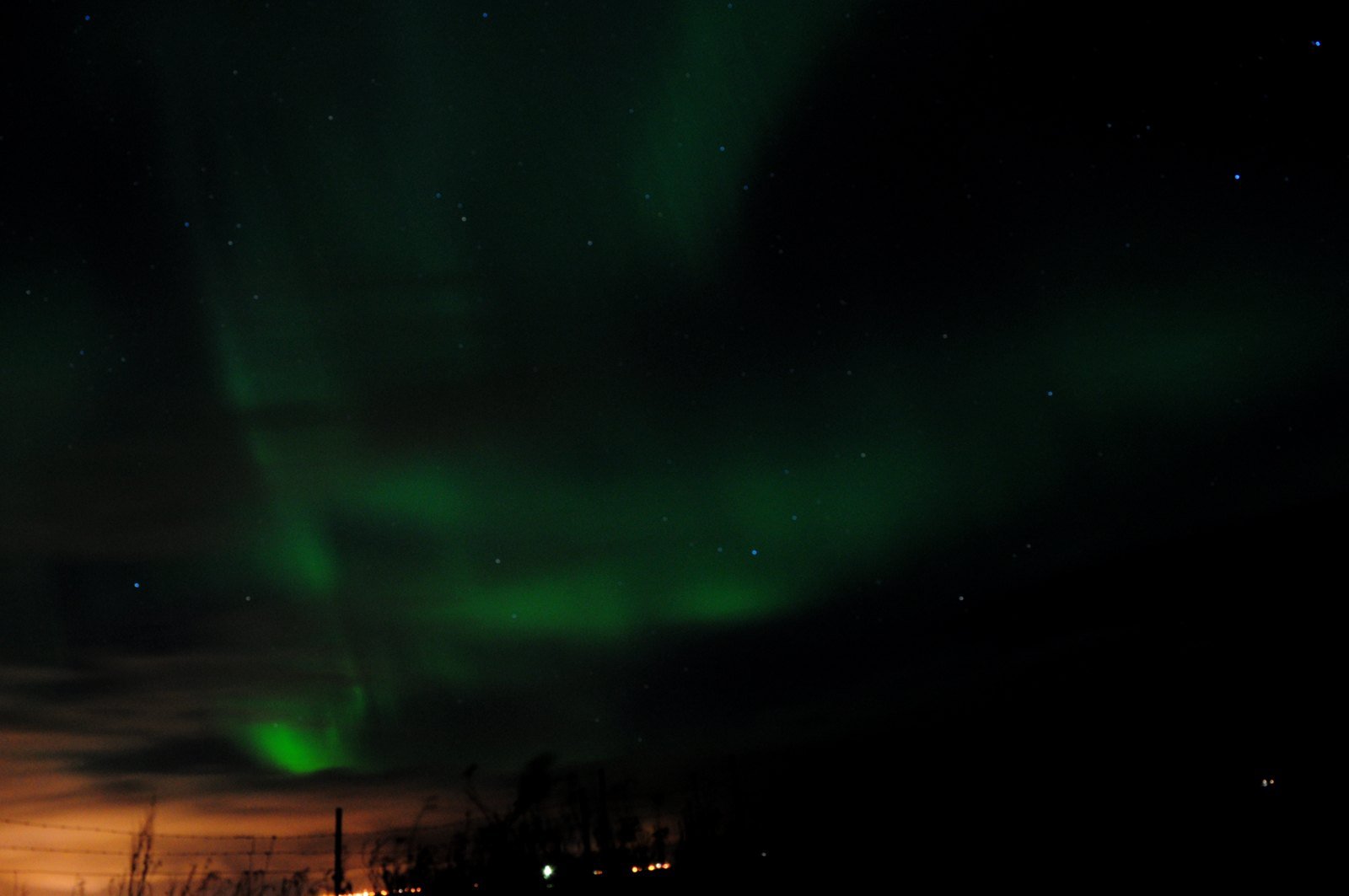
The northern lights: the aurora season runs roughly from September to mid-April. You need dark, clear skies and some solar activity. Check the aurora and cloud-cover forecast on vedur.is, then either drive away from city lights or join a small-group tour that chases clear skies. Even then, sightings are never guaranteed, so plan several evenings if you can.
Snaefellsnes Peninsula: often called “Iceland in miniature”, this peninsula about two to two and a half hours north of the city packs in the much-photographed Kirkjufell mountain, black churches, lava fields, sea cliffs and the glacier-capped Snaefellsjokull volcano.
Shopping in Reykjavik
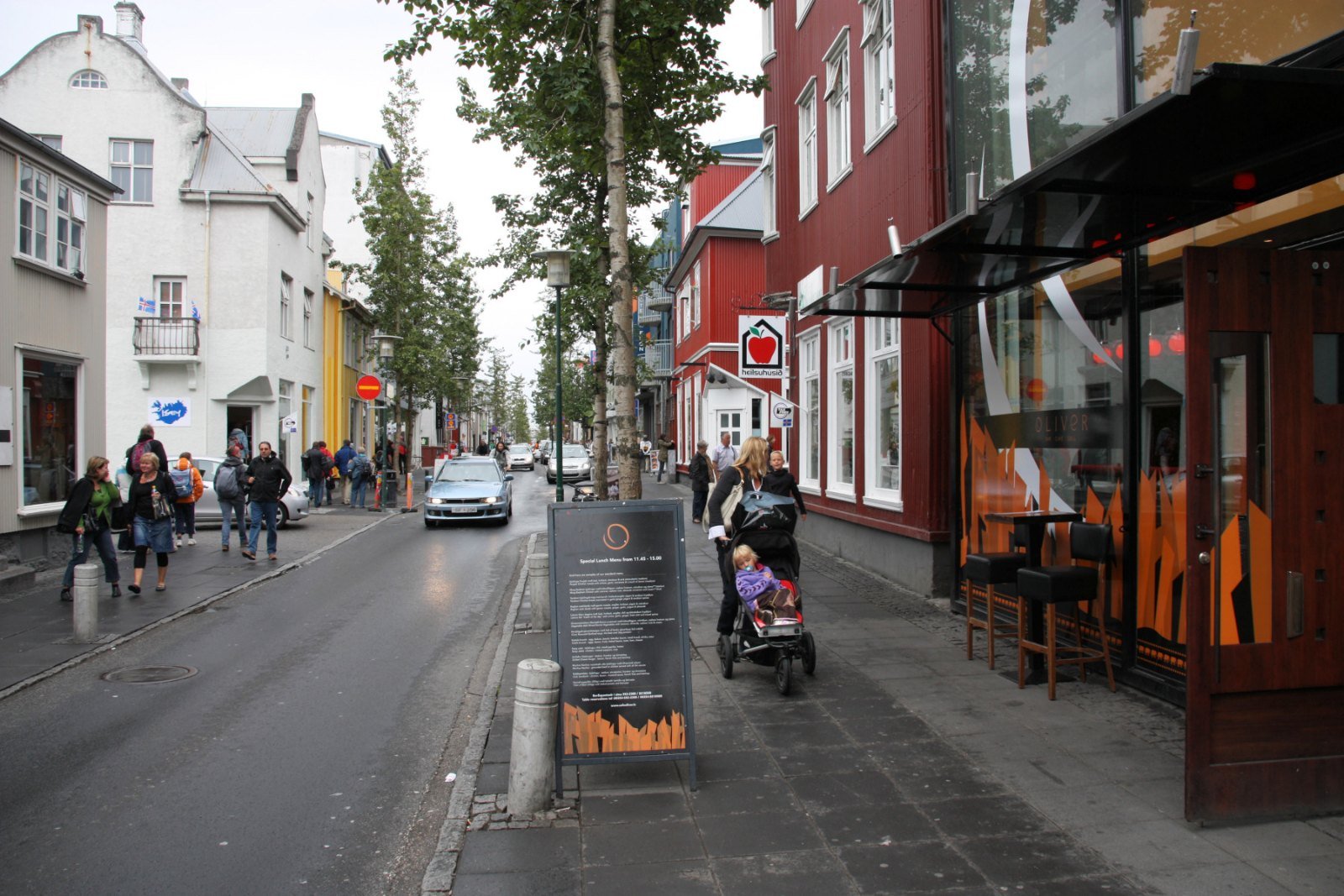
Laugavegur and Skolavordustigur, the street that leads up to Hallgrimskirkja, are the main shopping streets, lined with Icelandic design stores, outdoor clothing brands, bookshops and galleries.
The classic souvenir is a hand-knitted lopapeysa, the Icelandic wool sweater with a patterned yoke. Look for labels confirming that it was hand-knitted in Iceland. Other good buys include Icelandic design homeware, lava-stone jewellery, local skincare and sea salt. On weekends, the Kolaportid flea market near the Old Harbour sells second-hand finds and traditional foods. For big-name brands, the Kringlan and Smaralind malls are a short bus ride away.
Visitors who live outside Iceland can claim a tax refund on larger purchases, so ask for a tax-free form when you pay. Note that beer, wine and spirits are sold only in state-run Vinbudin shops with limited opening hours, and many travellers pick up drinks at the arrivals duty-free shop at the airport.
Food, nightlife and entertainment
Icelandic cooking is built on very fresh fish, free-range lamb and dairy. Try a bowl of traditional lamb soup on a cold day, pan-fried cod or Arctic char, langoustine soup and creamy skyr, a cultured dairy product that is closer to strained yogurt. Rye bread slowly baked in geothermal ground is a local speciality, often served with butter and smoked trout.
The most famous cheap eat in town is a hot dog from Baejarins Beztu Pylsur, a small stand near the harbour that has been serving them since 1937. Order one “with everything” to get raw and crispy onions, ketchup, sweet mustard and remoulade. Food halls such as Grandi Mathöll at the harbour and Hlemmur Mathöll in a former bus station are great for groups who cannot agree on dinner.
Reykjavik’s nightlife is small but lively. Bars and clubs cluster around Laugavegur, Bankastraeti and Austurstraeti, and on Friday and Saturday nights they stay open late. Drinks are expensive, so look out for the happy hours that many bars run in the late afternoon and early evening. For culture, check the program at Harpa and the small live-music venues downtown.
Big annual events
- Dark Music Days (late January; January 28 to 31, 2027): a contemporary and new-music festival centred on Harpa.
- Winter Lights Festival (early February; February 4 to 7, 2027): light installations across the city and the popular Museum Night and Pool Night events.
- DesignMarch (spring): Iceland’s biggest design festival, with open studios and exhibitions across town.
- Icelandic National Day (June 17): parades, music and family events downtown.
- Reykjavik Pride (early August): a week of events ending in a large parade; in 2026 it ran from August 4 to 9.
- Culture Night (a Saturday in late August; August 22 in 2026): the city’s biggest party, with free concerts, open houses and fireworks, held on the same day as the Reykjavik Marathon.
- Iceland Airwaves (early November; November 5 to 7 in 2026): the country’s best-known music festival, with Icelandic and international acts in venues across downtown.
- Christmas and New Year: Christmas markets and lights during Advent, the thirteen Yule Lads of Icelandic folklore, and on New Year’s Eve neighbourhood bonfires followed by a spectacular city-wide display of fireworks set off by residents at midnight.
The Reykjavik Arts Festival is held every two years in June, with the next edition planned for 2028. Check festival websites for future dates.
Sample Reykjavik itineraries
3 days in Reykjavik
- Day 1 – Downtown and the waterfront: if you arrive on an overnight flight, drop your bags and start with coffee and pastries downtown. Ride up the Hallgrimskirkja tower, wander Skolavordustigur and Laugavegur, then walk the seafront to the Sun Voyager and Harpa. End the day with a soak in Sky Lagoon or a neighbourhood pool, and an early dinner.
- Day 2 – The Golden Circle: spend the day at Thingvellir, Geysir and Gullfoss by tour or rental car. In the darker months, book an evening northern lights tour or drive out of town if the forecast looks clear.
- Day 3 – Harbour and lagoon: join a morning whale-watching trip from the Old Harbour, visit Perlan or the National Museum, grab a hot dog at the famous stand, and on the way to the airport stop at the Blue Lagoon if it is open.
7 days in and around Reykjavik
- Day 1 – Arrival and downtown: follow day 1 of the plan above and keep it relaxed after the flight.
- Day 2 – City deep dive: museums, the Old Harbour, Grandi’s food hall and design shops, and sunset at Grotta lighthouse.
- Day 3 – Golden Circle: Thingvellir, Geysir and Gullfoss, with a stop at Kerid crater. Stay overnight near Selfoss or Hella.
- Day 4 – South coast: Seljalandsfoss, Skogafoss, a guided glacier walk and Reynisfjara beach. Sleep in or near Vik and look for the aurora away from city lights.
- Day 5 – Return west: drive back to Reykjavik at an easy pace, stopping for photos at safe pull-outs only, and spend the evening at a geothermal pool.
- Day 6 – Snaefellsnes Peninsula: a full-day trip to Kirkjufell, the lava fields and the sea cliffs of the peninsula.
- Day 7 – Whales and lagoon: a whale-watching cruise in the morning, last-minute shopping, then the Blue Lagoon or Sky Lagoon before your flight home.
Do’s and don’ts
Do
- Shower thoroughly without a swimsuit before entering any pool or lagoon. It is required, and staff do check.
- Dress in layers with a waterproof shell, warm hat and gloves, even in summer.
- Check vedur.is, umferdin.is and safetravel.is before every road trip.
- Book lagoons, popular tours and rental cars ahead, especially in summer.
- Drink the tap water. It is clean, cold and free.
Don’t
- Don’t drive off-road. It is illegal and damages fragile moss and soil for decades.
- Don’t stop on the road to take photos; use marked pull-outs.
- Don’t turn your back on the waves at Reynisfjara or any south coast beach.
- Don’t enter closed areas near volcanic sites or step over safety ropes at waterfalls and geothermal pools.
- Don’t feel you have to tip. Service is included in prices, although rounding up for great service is appreciated.
Reykjavik FAQ
How many days do you need in Reykjavik?
Three days is enough to see the city and do one big day trip such as the Golden Circle. With five to seven days you can add the south coast, Snaefellsnes and a few relaxed evenings in geothermal pools.
When is the best time to see the northern lights?
The season runs roughly from September to mid-April, when nights are dark. You need clear skies and some solar activity, so check the official aurora and cloud forecast and plan several evenings to improve your chances.
Is it safe to visit Iceland with the volcanic activity?
Yes, Iceland is considered a very safe destination. Recent eruptions have been concentrated on the Reykjanes Peninsula, and the authorities close affected areas when needed. Check safetravel.is and the Icelandic Met Office before and during your trip, and follow all closures.